


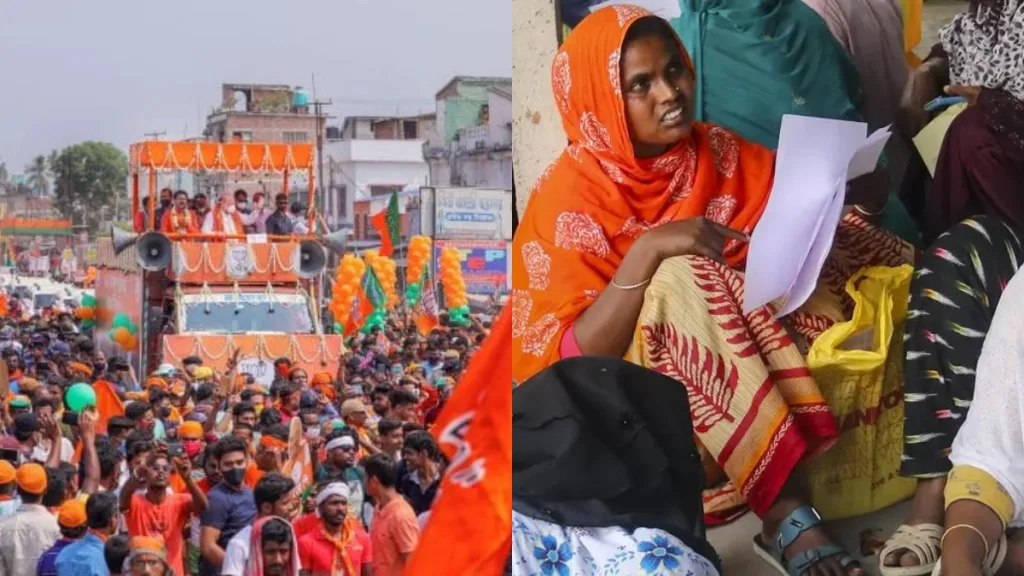
West Bengal’s 2026 Assembly elections are unfolding under an extraordinary and unprecedented shadow: the removal of nearly 90 lakh voters from the electoral rolls following the Special Intensive Revision (SIR). In numerical terms, this amounts to roughly 10–12% of the state’s electorate—an electoral shock large enough to alter political calculations across constituencies.
The Election Commission maintains that the exercise is a routine clean-up aimed at removing deceased, duplicate, or shifted voters. Indeed, official data suggests that a large portion of deletions fall into these categories. However, the timing—just ahead of a high-stakes election—and the scale of deletions have transformed what is technically an administrative process into the central political battleground of Bengal.
The key question is no longer procedural. It is deeply political: who benefits from this electoral reset?
The Arithmetic of Deletion
The raw numbers tell part of the story. Approximately 91 lakh names have been removed, with over 27 lakh declared ineligible after adjudication, and millions more classified as deceased, missing, or shifted.
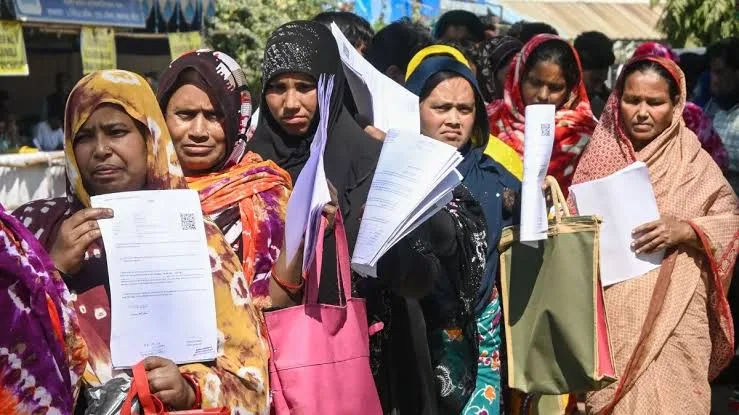

Yet, the deeper controversy lies in the composition of these deletions. Reports indicate that a significant proportion of the removed voters belong to border districts such as Murshidabad, Malda, and North 24 Parganas—areas with high minority populations and historically strong support for the Trinamool Congress (TMC).
Some analyses have suggested that minorities constitute a disproportionately higher share of deletions compared to their population percentage, though this remains politically contested and legally unresolved in several cases.
At the same time, there are documented cases of long-time voters—such as elderly citizens—losing their voting rights due to bureaucratic inconsistencies, raising concerns about the accuracy of the process itself.
Thus, the arithmetic is not merely about numbers removed. It is about which voters have been removed—and why.
Does This Automatically Benefit the BJP?
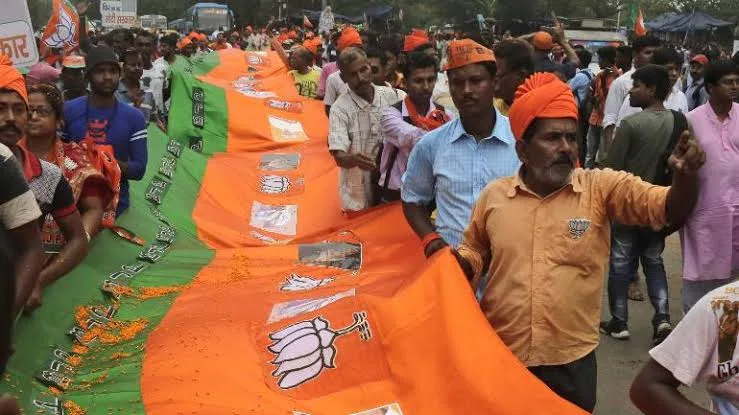
At first glance, the BJP appears to be the natural beneficiary of such a large-scale revision. The party has consistently framed the SIR exercise within its broader political narrative of identifying “illegal infiltrators,” particularly in border districts.
From this perspective, the deletion of voters—especially in regions where the BJP alleges demographic shifts due to cross-border migration—aligns with its electoral messaging. Theoretically, a reduction in what the BJP calls “illegitimate votes” could consolidate its core support base and improve its strike rate in closely contested seats.
However, this assumption is far from straightforward.
First, deletions are not targeted exclusively at any one community or political bloc. Data indicates that removals include a mix of deceased, migrated, and duplicate entries across demographics.
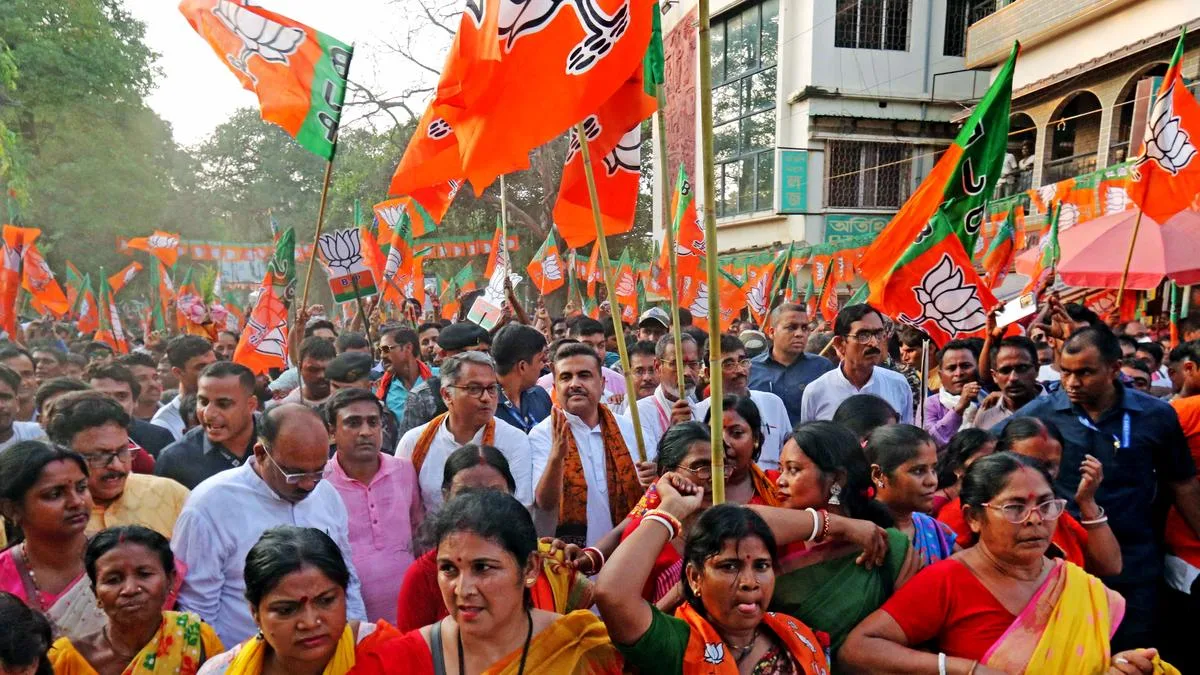
Second, the BJP faces an organisational challenge. Even if the voter base is recalibrated in its favour, translating that into votes requires a robust grassroots network—something the party still struggles with in many parts of Bengal.
Third, electoral politics is not purely arithmetic. It is psychological.
The Counter-Narrative: TMC’s Political Mobilisation
For Mamata Banerjee and the TMC, the SIR exercise has become a powerful political tool—not despite the deletions, but because of them.
The TMC has framed the revision as “vote chori” (vote theft), arguing that genuine voters are being disenfranchised due to administrative lapses or political intent. This narrative transforms a bureaucratic process into an emotional issue of rights, identity, and dignity.
More importantly, it allows the TMC to mobilise voters defensively. Instead of merely campaigning for votes, the party is positioning itself as a protector of voting rights.
This shift is significant. In electoral politics, fear of exclusion can be a stronger motivator than promises of inclusion.
The Double-Edged Sword for BJP
Ironically, the SIR exercise may create as many problems for the BJP as it potentially solves.
In constituencies where deletions are high, voter uncertainty can lead to confusion and anger—emotions that do not necessarily translate into support for the BJP. In fact, they may trigger backlash if voters perceive the process as unfair.

Additionally, communities such as the Matuas—who have been a crucial support base for the BJP—have also been affected by deletions, creating anxiety and dissatisfaction.
In such scenarios, the BJP risks being seen not as the beneficiary of electoral cleansing but as a stakeholder in a controversial process.
A History of Upheaval in Bengal Politics
To understand why the current moment feels so volatile, one must situate it within Bengal’s long history of political upheaval.
The state has rarely experienced stable, linear political transitions. From the violent shifts of the pre-independence era to the rise of Left dominance in the 1970s, and later the dramatic overthrow of the Left Front by Mamata Banerjee in 2011, Bengal’s politics has been marked by abrupt transformations and intense ideological battles.
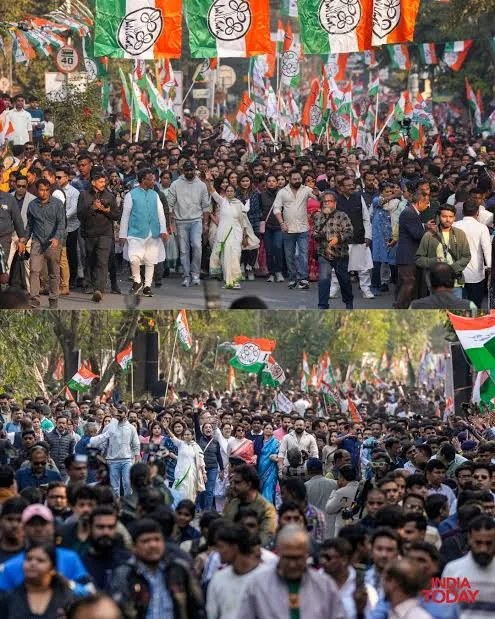

Political analysts and writers have long noted that Bengal’s electoral culture is shaped by deep social churn, class conflict, and identity politics. Each major political shift in the state has been accompanied by structural disruptions—land reforms, industrial decline, migration patterns, or welfare restructuring.
The current SIR controversy fits into this historical pattern. It represents not just an administrative exercise but a structural intervention in the electoral system—one that could redefine political alignments.
The Psychology of a Shrinking Electorate
One of the less discussed aspects of the voter deletion is its psychological impact on the electorate.
When nearly one in ten voters is removed from the rolls, it creates a perception of instability in the electoral system. Voters begin to question the security of their own participation. This uncertainty can lead to two contrasting outcomes: increased mobilisation among those who feel threatened, or disengagement among those who feel disillusioned.
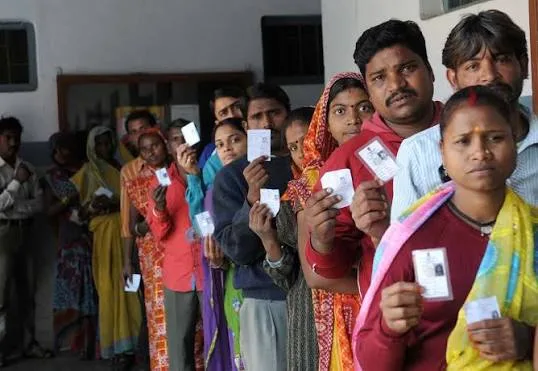

In Bengal, where political participation is traditionally high, the former is more likely. The SIR exercise has already become a topic of discussion at the grassroots level, turning electoral rolls into a lived political issue rather than a distant administrative process.
Will the Elections Be Decided by SIR Alone?
Despite its scale, it would be an overstatement to claim that the deletion of 9 million voters will single-handedly decide the Bengal elections.
Elections are influenced by multiple factors: leadership appeal, welfare delivery, organisational strength, and narrative control. Mamata Banerjee continues to enjoy a strong personal connect with voters, reinforced by her welfare schemes. The BJP, on the other hand, brings national momentum and ideological clarity but struggles with local adaptation.
The SIR exercise is best understood as a force multiplier. It amplifies existing political dynamics rather than replacing them.
Who Stands to Gain More?
A rational assessment suggests that the immediate political advantage may lie with the TMC.
While the BJP may benefit from a recalibrated electorate in specific constituencies, the TMC benefits from a broader narrative of victimhood and resistance. It can convert procedural grievances into political capital, something Mamata Banerjee has historically excelled at.
Moreover, the TMC’s organisational strength allows it to respond quickly to voter concerns, helping affected individuals navigate the system and reinforcing its image as a responsive party.
The BJP, in contrast, risks being caught between defending the process and managing voter backlash.
A High-Stakes, Uncertain Election
The removal of 9 million voters has undoubtedly altered the terrain of the Bengal elections. It has injected uncertainty, heightened tensions, and reshaped political narratives.
But elections are not won by numbers alone. They are won by the ability to interpret those numbers, respond to their implications, and connect with voters in meaningful ways.
In Bengal, the SIR exercise has done more than clean up electoral rolls. It has reopened old faultlines—of identity, migration, and political trust—while creating new ones.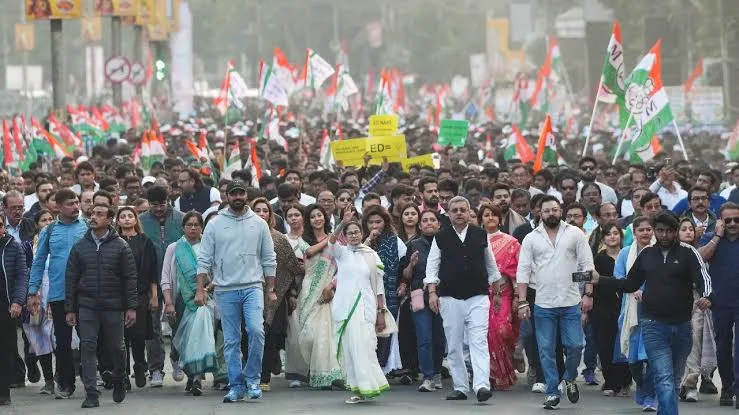
Whether it ultimately benefits the BJP or strengthens the TMC will depend not on the deletions themselves, but on how each party navigates the political storm they have unleashed.
If history is any guide, Bengal does n
ot reward those who merely benefit from upheaval. It rewards those who can control its narrative.