


A viral skincare trend has taken over social media platforms, with users increasingly washing their faces using anti-dandruff shampoo instead of traditional cleansers. Dermatologists, however, are urging caution, explaining that while the science behind the trend has some grounding, it may not be suitable for everyone and could lead to unintended skin issues if misused.
The trend gained traction on platforms like TikTok, where influencers claim that anti-dandruff shampoos help reduce acne, redness, and flaky skin. Many videos suggest that ingredients commonly found in these shampoos, such as ketoconazole, zinc pyrithione, or selenium sulfide, can target fungal causes of certain skin problems. These antifungal compounds are traditionally used to treat scalp conditions like dandruff and seborrheic dermatitis, which are often linked to yeast known as Malassezia. Dermatologists note that this same yeast can sometimes contribute to facial conditions like fungal acne or seborrheic dermatitis affecting the face.

Medical experts say the appeal of this trend lies in its simplicity and accessibility. Anti-dandruff shampoos are widely available over the counter and marketed as solutions for flaky skin, which makes them attractive to people struggling with persistent acne or inflammation. However, dermatologists caution that social media advice often lacks nuance. While antifungal shampoos may help individuals whose skin issues are caused by fungal overgrowth, they are unlikely to benefit those with bacterial acne or sensitive skin.

According to skincare professionals, the misuse of medicated shampoos on facial skin can disrupt the skin barrier. The face has thinner and more sensitive skin compared to the scalp, and repeated application of harsh formulas may cause dryness, irritation, or even chemical burns in some cases. Ingredients like selenium sulfide and ketoconazole are effective for scalp conditions because they reduce yeast growth and control inflammation, but they are designed for short-term therapeutic use rather than daily facial cleansing routines.

Experts also warn against treating viral skincare hacks as universal solutions. Social media trends often amplify anecdotal success stories without highlighting potential side effects. Dermatologists stress that skin conditions vary widely from person to person, and self-diagnosis based on online content may lead to inappropriate treatment. For instance, redness or flaking could stem from eczema, rosacea, or allergic reactions rather than fungal issues, and applying medicated shampoo without medical advice may worsen symptoms.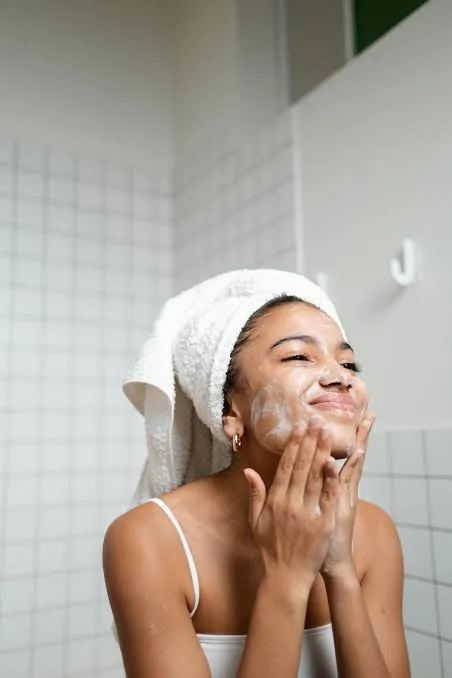

Another concern raised by professionals is overuse. Even when antifungal shampoos are recommended for facial seborrheic dermatitis, dermatologists typically suggest limited frequency and specific application methods, such as leaving the product on for a short period before rinsing. Using it daily as a replacement for a gentle cleanser may strip essential oils and weaken the skin’s natural protective barrier.
Despite these cautions, experts acknowledge that the trend is not entirely baseless. Some dermatologists do prescribe antifungal treatments for certain facial conditions, particularly when yeast involvement is suspected. However, they emphasise that treatment should be tailored to individual skin types and ideally guided by a medical professional rather than viral tutorials.
Ultimately, while the anti-dandruff shampoo trend reflects growing public interest in affordable skincare hacks, specialists recommend consulting a dermatologist before experimenting. Understanding the root cause of skin issues remains the most reliable path to effective treatment, ensuring that trends driven by social media do not compromise long-term skin health.