


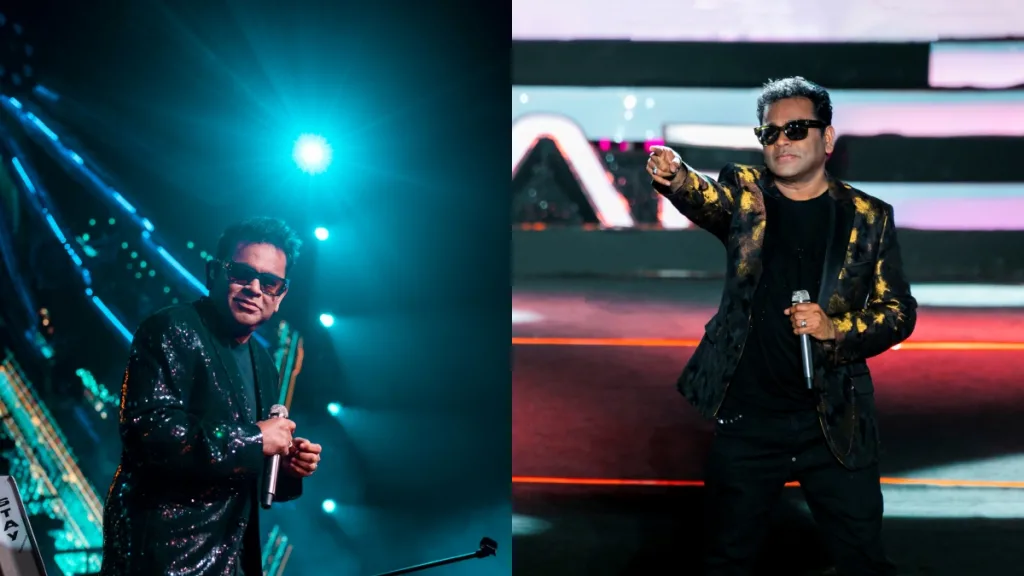
Music maestro A.R. Rahman has weighed in on recent discussions about shifting power dynamics in the Indian film industry, touching on how socio-cultural factors and broader societal changes might be influencing Bollywood’s evolving landscape. In a thoughtful conversation with the media, Rahman reflected on how creative influence in the industry has transitioned over the years, acknowledging that the shifts may be tied not just to artistic trends but also to larger national currents, including communal factors.
Rahman, known for his pioneering contributions to music in Indian cinema and beyond, was asked about reports of changes in how decisions are made in Bollywood, whether in storytelling, hiring or the recognition of talent from diverse backgrounds. He responded candidly, suggesting that the cinema world, like society at large, does not exist in isolation. “When there are changes in society, they inevitably get reflected in cinema too,” he said, emphasising that Bollywood’s evolution cannot be separated from the cultural and political milieu of the country.


At the heart of his remarks was a nuanced observation that power shifts often mirror wider societal currents, including those related to identity, community and representation. Rahman pointed out that Bollywood has always been a space of artistic collaboration and cultural mixing, but it has also been subject to pressures that reflect broader public sentiment. When he mentioned that the shift could be “a communal thing,” he was not levelling an accusation but rather acknowledging that cultural industries often reflect the complexities of the societies they serve.
Historically, Bollywood has seen phases where diverse voices, styles and influences have flourished. The film industry grew as a melting pot of ideas, with talents coming from different regions, linguistic traditions and artistic schools. Rahman himself embodies this spirit, having brought global sensibilities and innovative sound textures to Indian music while remaining rooted in the subcontinent’s musical heritage. His work has earned worldwide acclaim, reinforcing the idea that Indian cinema and its soundtracks can transcend narrow definitions of culture.


Yet, Rahman also noted that when any society undergoes shifts in public discourse, whether political, cultural or communal, these changes often seep into creative industries like film. He observed that cinema sometimes becomes a battleground for broader ideological debates, with certain narratives gaining prominence while others recede. “Art does not happen in a vacuum,” Rahman reminded listeners, underscoring the interdependence between artistic expression and social environment.
His comments come at a time when discussions about representation, diversity and inclusion have become increasingly prominent in Bollywood. There have been debates about whose stories are told, which voices are elevated, and how the industry recognises and rewards talent. These conversations have at times been framed within wider societal tensions, including those along religious, cultural or communal lines.
While Rahman did not single out specific films, individuals or incidents, his remarks reflect a broader concern among artists and cultural commentators: that the creative freedom of cinema can be influenced by the climate outside the studio gates. He suggested that when debates in the public sphere become polarised, filmmakers and musicians may feel pressure to align with or react against prevailing sentiments, which in turn shape the kinds of stories that are told on screen.
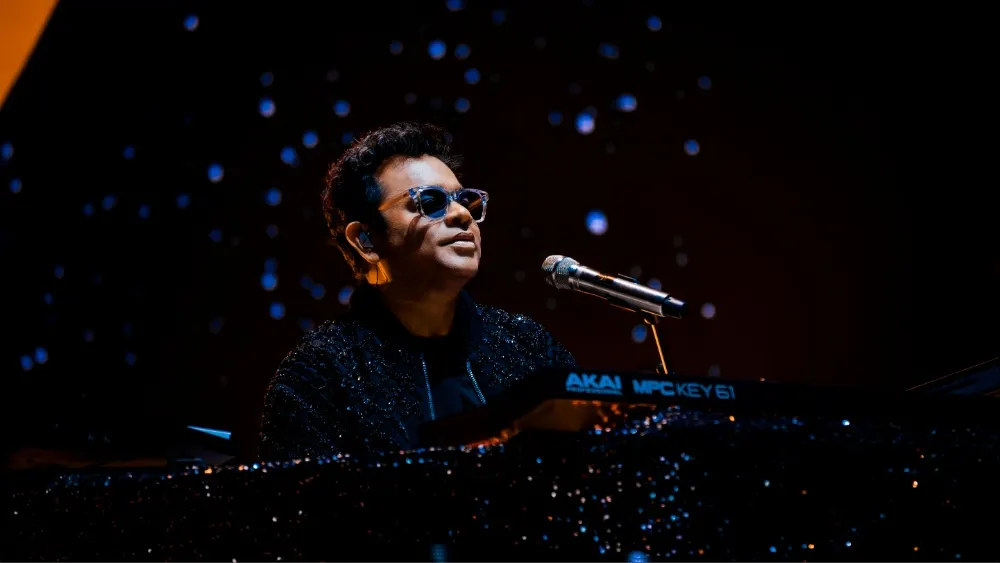

Importantly, Rahman also expressed hope and confidence in the resilience of artistic expression. He reiterated that talent and genuine creativity continue to find space in Indian cinema, and that audiences ultimately respond to authenticity and emotional resonance. Even as power structures and trends evolve, the core of cinema, the connection between storyteller and audience, remains rooted in shared human experience.
Reflecting on his own journey, Rahman pointed out that collaboration and openness have been key to his own success. He emphasised that the industry’s future depends on its ability to nurture diverse voices and to remain receptive to innovation, irrespective of external pressures.