


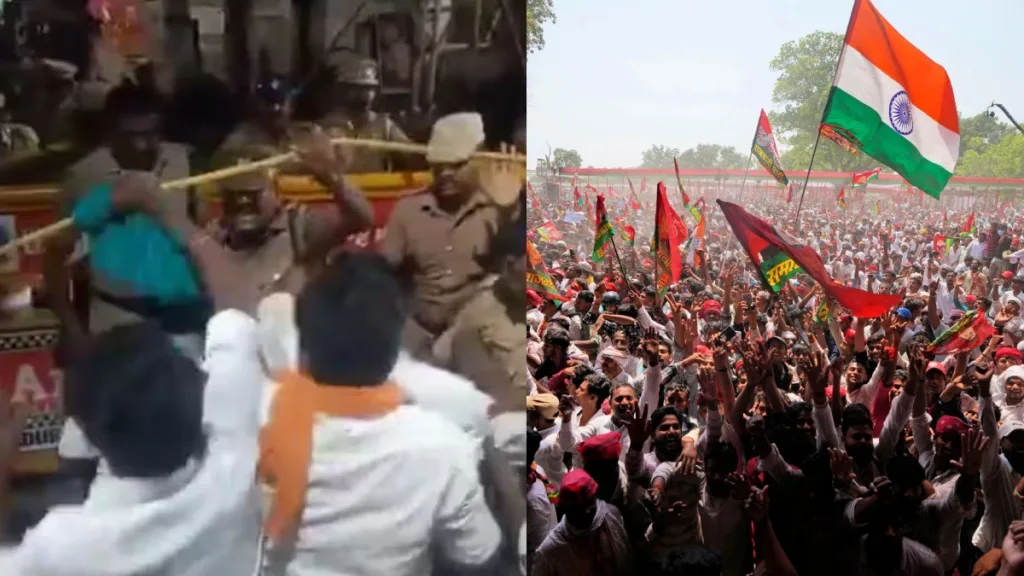
At a time when the Indian government constantly highlights policy reforms, digital innovations and the promise of development-led governance, the country finds itself pulled in the opposite direction by a powerful undercurrent: the steady expansion of religion into the heart of political decision-making. While the Constitution lays out an unambiguous commitment to secularism, the practice on the ground increasingly blurs the lines between governance and religious identity, revealing a widening gap between constitutional ideals and political reality.
India’s founding conception of secularism never demanded a rigid wall separating the state from religion. Instead, the doctrine of “principled distance”, a nuanced idea that allows the state to engage with or withdraw from religious matters depending on the context, was meant to ensure that intervention served justice, equality and dignity. That balance, however, now appears deeply skewed. Events unfolding across states as politically different as West Bengal and Tamil Nadu show how religious symbolism, ritual control and identity politics have become instruments of political strategy rather than matters of community autonomy or constitutional duty.


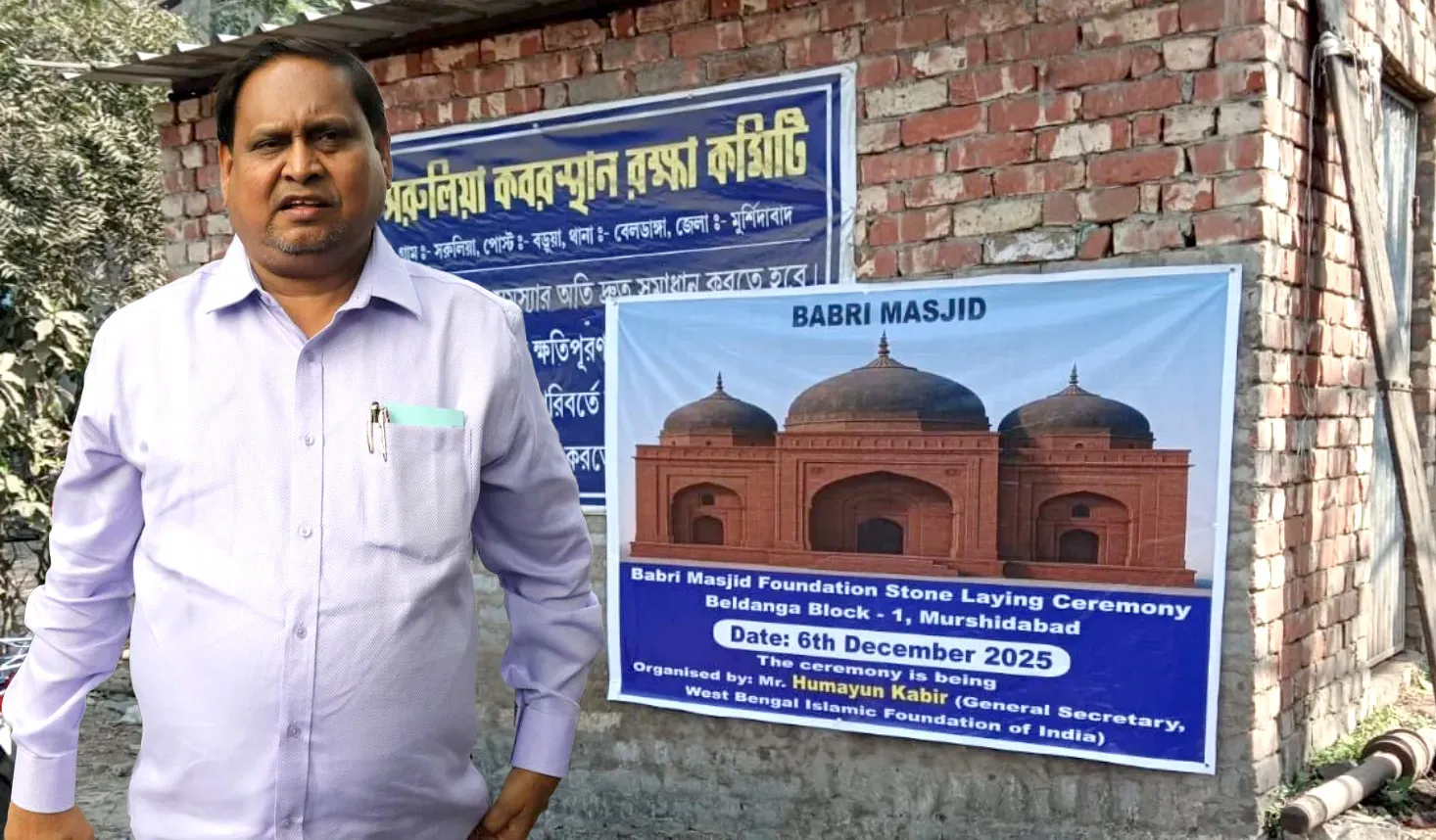
In West Bengal’s Murshidabad district, suspended TMC legislator Humayun Kabir triggered a political storm by laying the foundation stone for a Babri Masjid replica on December 6, the anniversary of the 1992 demolition in Ayodhya. The symbolism of the date alone ensured the act would be seen not as a spiritual or community-led effort, but as a political provocation. Local reactions, criticisms from Muslim intellectuals and counter-campaigns by the BJP all transformed the event into a charged show of competitive communal signalling, undermining any claim of secular distance. What should have been a state committed to ensuring peace, law and order, instead found itself at the centre of a religious-political spectacle.

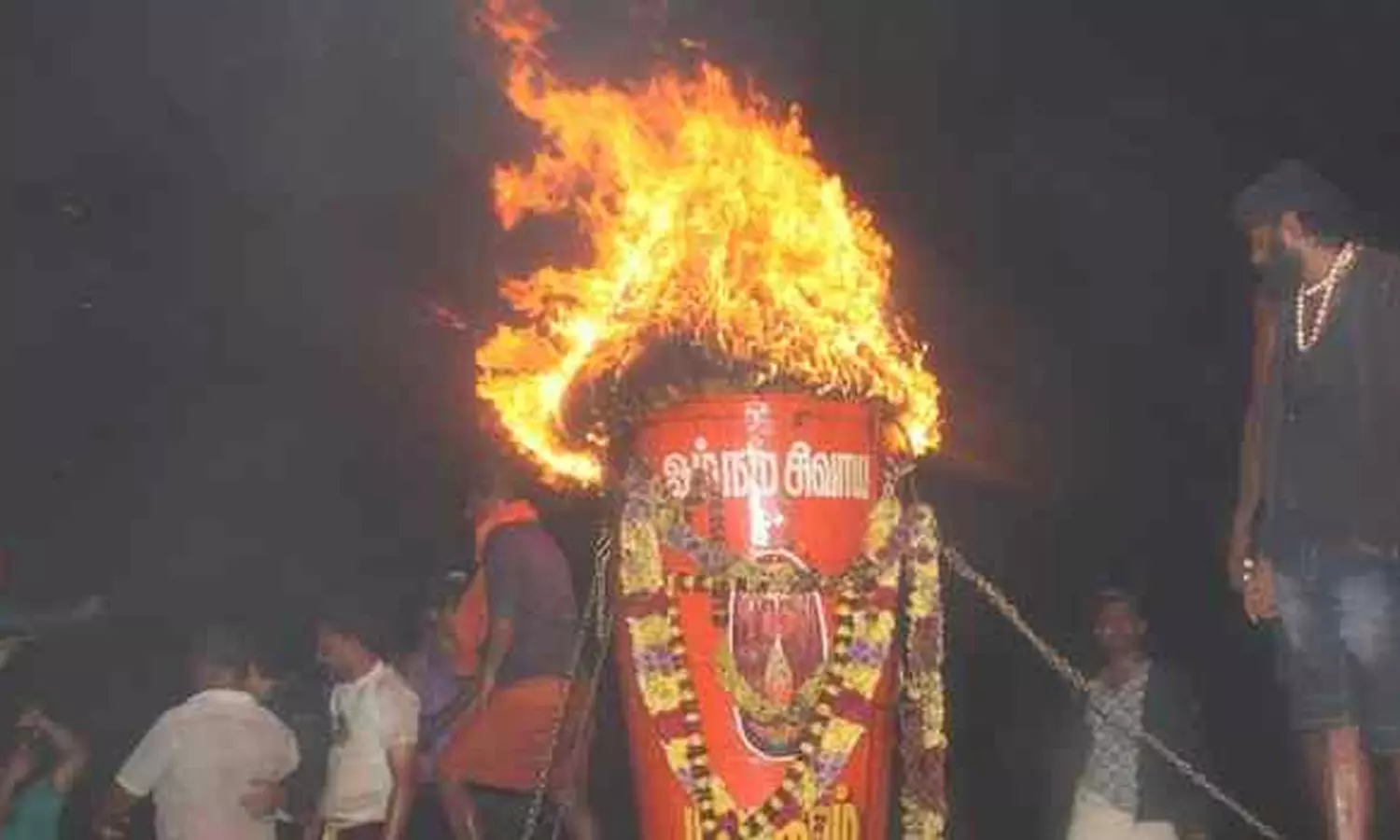
A similar political choreography is visible in Tamil Nadu’s Thiruparankundram, where the lighting of the traditional Karthigai Deepam at the hilltop Deepathoon became the subject of a political and judicial tug-of-war. A Madras High Court order allowing the ritual was resisted by the DMK government, citing law-and-order concerns, provoking clashes between Hindu groups and the police. What could have been a matter of administrative coordination turned into an ideological battleground, with the state accused of selectively imposing secularism to appease one group and suppress another. Once again, the principle of secular neutrality surrendered to politically convenient interpretations.

These incidents expose a national pattern that cuts across party lines: the state is not merely regulating religion, but participating in it, endorsing or obstructing rituals based on political calculations rather than constitutional consistency. The more the government frames development as its central mission, the more politics at the ground level relies on identity, symbolism and religious mobilisation. The contradiction is no accident; it is a political strategy. Religious issues generate emotional energy, define political loyalties and create visible differentiations between communities, tools invaluable during elections.
Yet this strategic drift has profound consequences for India’s constitutional fabric. When political parties actively weaponise religious symbols or selectively police religious practices, secularism becomes hollow, not a value guiding governance, but a label misused or ignored depending on who benefits. The state’s selective intervention weakens trust among communities, increases polarisation and invites judicial interventions in matters that should ideally remain outside the courts. Worse, it encourages competitive communalism, where each side believes the other is favoured or victimised.

If this trajectory continues, India risks replacing its constitutional identity with competing narratives of cultural entitlement, undermining the very pluralism upon which the nation is built. The tragedy is that the Indian model of secularism, carefully crafted to fit the country’s diversity, is not failing because it is flawed, but because it is being selectively interpreted. A doctrine designed to balance faith and freedom collapses when political actors treat religion as a tool rather than a domain deserving principled restraint.

In a climate where religious controversies dominate political discourse, where rituals become flashpoints and where governments intervene not as neutral arbiters but as participants in symbolic battles, India stands at a crossroads. Either the state reclaims its secular posture with fairness, consistency and constitutional fidelity or it risks eroding the very foundation that has held together a nation of many faiths. The Constitution still speaks the language of secularism. It is the politics that increasingly does not.