
 Snehashish roy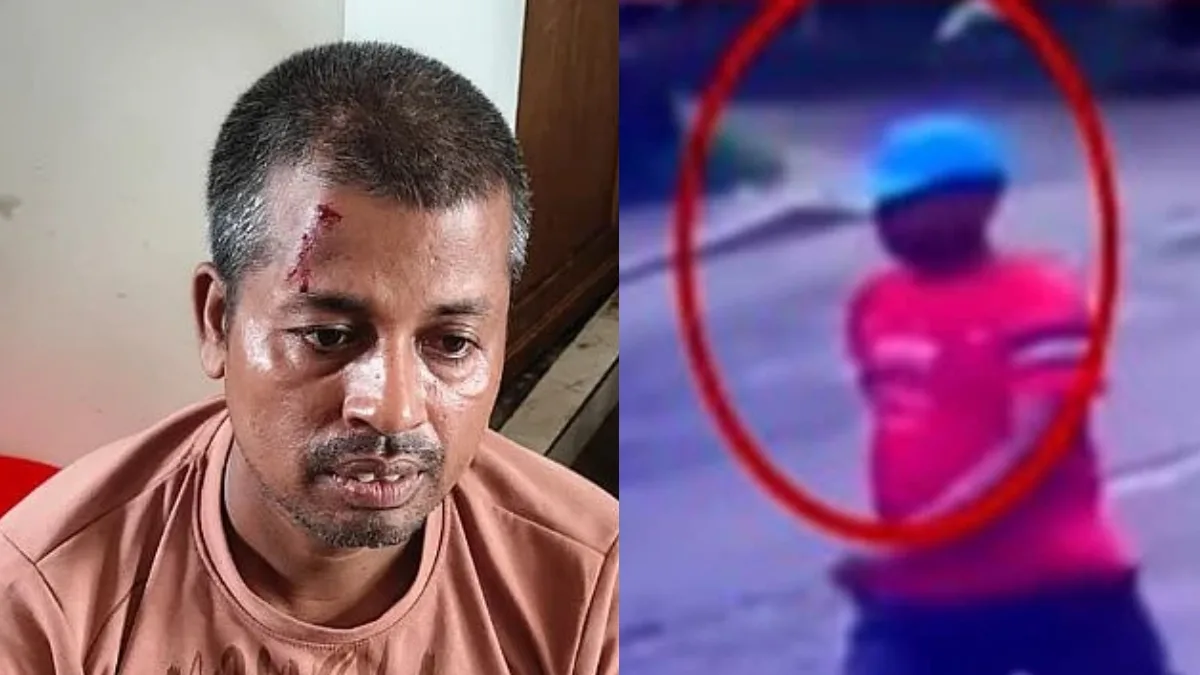
The alleged rape and murder of an 11-year-old girl in West Bengal’s Baruipur has become much more than another criminal case. Within days, the incident transformed into a political flashpoint, a law-and-order debate and a discussion on the limits of policing, exposing the challenges governments face in responding to crimes that trigger widespread public outrage.
The case initially followed a familiar trajectory. The brutal nature of the crime led to immediate demands for swift action. Police arrested multiple accused, identified the alleged main perpetrator and formed a Special Investigation Team (SIT). Political leaders across party lines condemned the crime, while protests erupted demanding justice for the child.
Then came the development that changed the narrative.
The prime accused died in a police encounter after, according to the police, he attempted to snatch a service weapon while officers were recreating the crime scene. The encounter instantly shifted public attention from the investigation itself to the manner in which it ended.

For many, the death of the accused represented immediate justice. For others, it raised concerns about whether the criminal justice process had been bypassed before a court could determine guilt.
That debate quickly entered the political arena.
The BJP government defended the police action, maintaining that officers responded to an escape attempt and acted in self-defence. The administration also reiterated its commitment to taking stringent action against crimes against women and children, describing public safety as a priority.
The response from the opposition, however, was markedly different.
Trinamool Congress MP Mahua Moitra questioned the encounter, saying the state should not embrace what she described as “jungle law”. Her remarks reflected a broader constitutional concern—that even individuals accused of the most serious crimes are entitled to due process under the law.
The exchange illustrates how crimes involving sexual violence increasingly become political battlegrounds, often overshadowing the original issues that demand attention.

The Baruipur case has once again highlighted concerns over the safety of women and children, particularly in semi-urban and rural areas where local residents have raised questions about policing, illegal activities and preventive measures. Following the incident, authorities announced action against alleged illegal liquor dens after residents claimed such establishments had contributed to deteriorating law and order.
However, the larger conversation extends beyond one locality.
Every major crime of this nature exposes recurring concerns about delayed investigations, witness protection, prosecution, conviction rates and victim support. Public anger often reflects frustration with the pace of the criminal justice system, leading to demands for immediate punishment. At the same time, legal experts have consistently argued that constitutional safeguards and judicial oversight remain fundamental to ensuring accountability.

The encounter has also placed the BJP government under scrutiny. Having assumed office after campaigning extensively on issues of governance and law and order, the administration now faces expectations not only to solve high-profile crimes but also to demonstrate institutional credibility in how justice is delivered.
Meanwhile, investigations into the remaining accused continue, with authorities indicating that legal proceedings will move forward despite the death of the principal suspect.

The Baruipur case is therefore no longer only about one investigation. It has become a reflection of larger questions confronting India’s criminal justice system: How should the state respond to crimes that evoke extraordinary public anger? Can swift action coexist with due process? And how should governments balance public demand for immediate justice with constitutional obligations?
As political parties continue to trade accusations over the encounter, the victim’s family continues to await closure. The broader challenge for the administration will be ensuring that the focus does not shift entirely from the crime itself.
For governments, such cases ultimately become a test not only of policing but of public trust. For citizens, they serve as a reminder that while justice must be swift, the institutions delivering it remain under constant scrutiny. The Baruipur tragedy has once again shown that in India, a criminal investigation can quickly evolve into a wider debate on governance, accountability and the rule of law.