


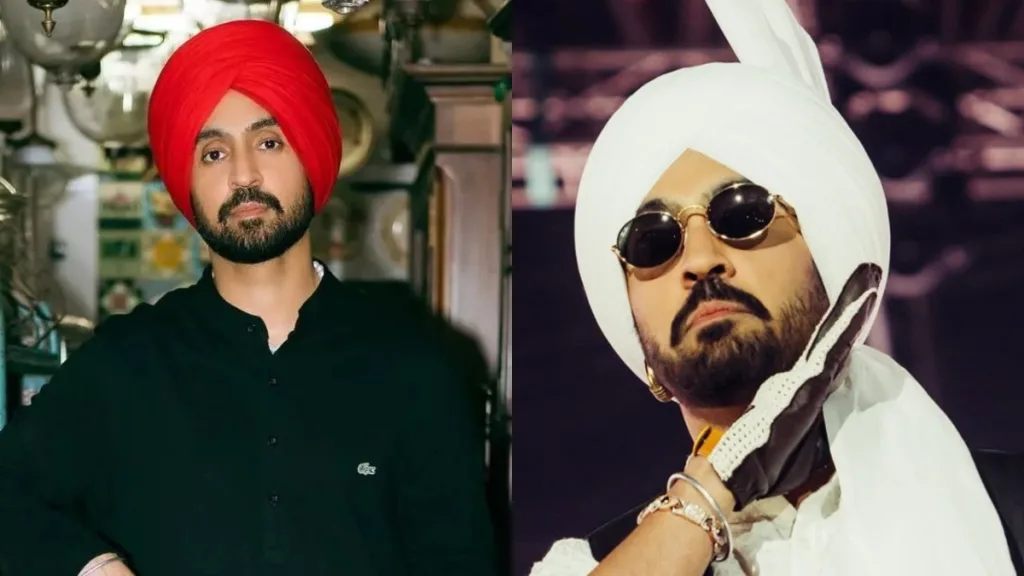
Singer-actor Diljit Dosanjh has firmly denied speculation about entering politics after growing public discussions suggested he could emerge as a major political face in Punjab. Responding directly to the buzz, the global Punjabi star made it clear that he has no interest in joining politics and prefers to remain focused on entertainment.
The speculation gained momentum after a section of civil society members and retired officials reportedly floated the idea of Diljit becoming a political voice for Punjab. The conversation intensified amid the singer’s recent international visibility and his comments on Punjabi identity during his ongoing Aura World Tour.
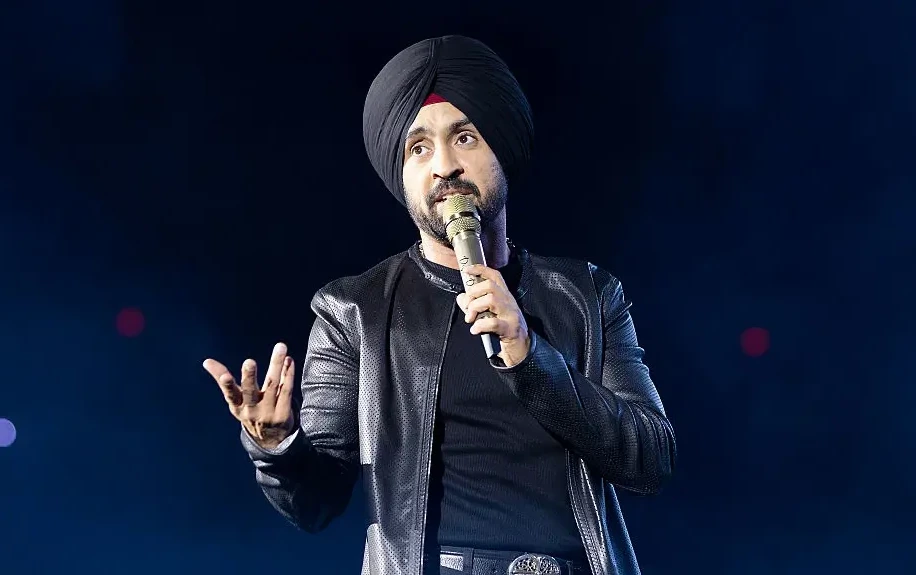

Reacting to the calls, Diljit posted a clear response on X, shutting down all rumours. Writing in Punjabi, he said, “Kadey v Nhi..Mera Kam Entertainment Karna. Am Very Happy in My Field.” Translated loosely, the statement means, “Never. My work is to entertain. I am very happy in my field.”
The actor’s statement came shortly after an article questioned whether he could become the “new political face of Punjab.” According to reports, retired bureaucrat SS Boparai and several members of civil society had argued that Diljit represented Punjab positively on global platforms and possessed the credibility to connect with ordinary people.

However, Diljit’s response indicated that he does not wish to transition from entertainment into active politics despite the growing attention around his public image and influence.
The discussion around his possible political future comes during a politically charged period for Punjab, where issues related to identity, separatism and regional pride continue to dominate discourse. Diljit has repeatedly found himself at the centre of these conversations, particularly during his international concerts.

During a recent performance in Edmonton, Canada, the singer addressed criticism he often faces online. Referring to trolling and political labelling, he said that while some audiences abroad cheer “Punjabi aa gaye oye,” he is sometimes mocked in India with comments like “Khalistani aa gaya oye.” Diljit remarked that he often receives criticism “from both sides.”
A few days earlier, at a Calgary concert, the singer paused his performance after noticing pro-Khalistan flags being waved by some attendees. Videos from the event went viral online. Diljit asked people not to politicise the concert and made it clear that he wanted the focus to remain on music and Punjab’s cultural pride rather than separatist slogans.
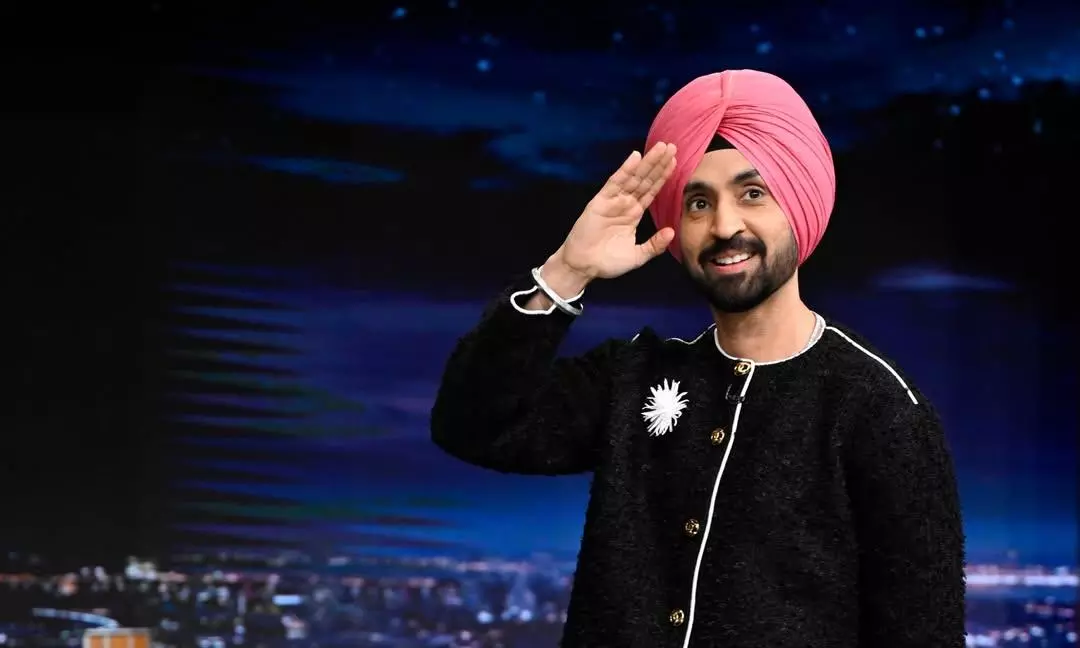

The singer’s handling of these situations has contributed to public perception of him as a socially aware figure capable of influencing discourse beyond entertainment. His global success, combined with his strong Punjabi identity, has led many to speculate about a larger role in public life.
Diljit has become one of the most internationally recognised Punjabi artists in recent years. From performing at Coachella to appearing on The Tonight Show Starring Jimmy Fallon, he has consistently projected Punjabi culture onto global platforms.
On his recent appearance with Jimmy Fallon, Diljit even spoke about the 1914 Komagata Maru incident and linked it to his Vancouver concert, highlighting historical struggles faced by Punjabis abroad.
At the same time, the singer has also been facing growing pressure and scrutiny. Reports recently suggested that extremist groups had targeted him online over his comments and performances abroad. His concerts have increasingly become spaces where identity politics, nationalism and diaspora issues intersect.
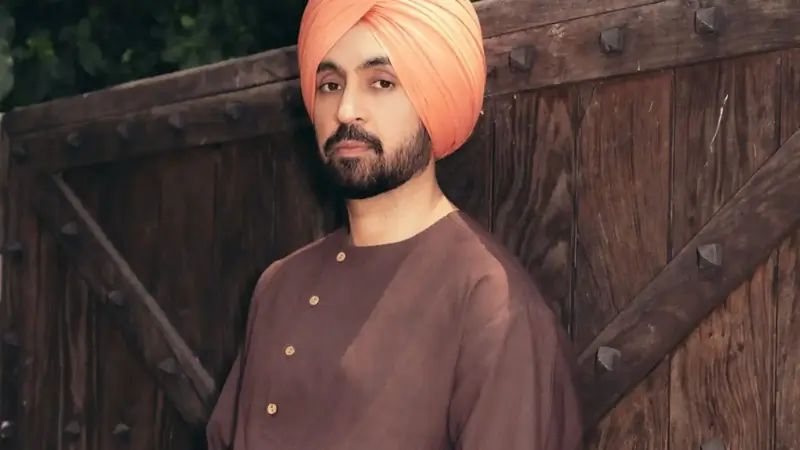

Despite this, Diljit appears determined to keep his focus away from electoral politics. His latest statement suggests that he sees himself primarily as an entertainer and cultural ambassador rather than a political leader.
The actor is currently busy with his Aura Tour and several film projects, including Main Vaapas Aaunga directed by Imtiaz Ali and the upcoming biopic Punjab 95.
While the speculation around his political future may continue, Diljit’s response has, for now, settled the conversation. His message was direct and unambiguous: he wants to entertain audiences, not contest elections.