


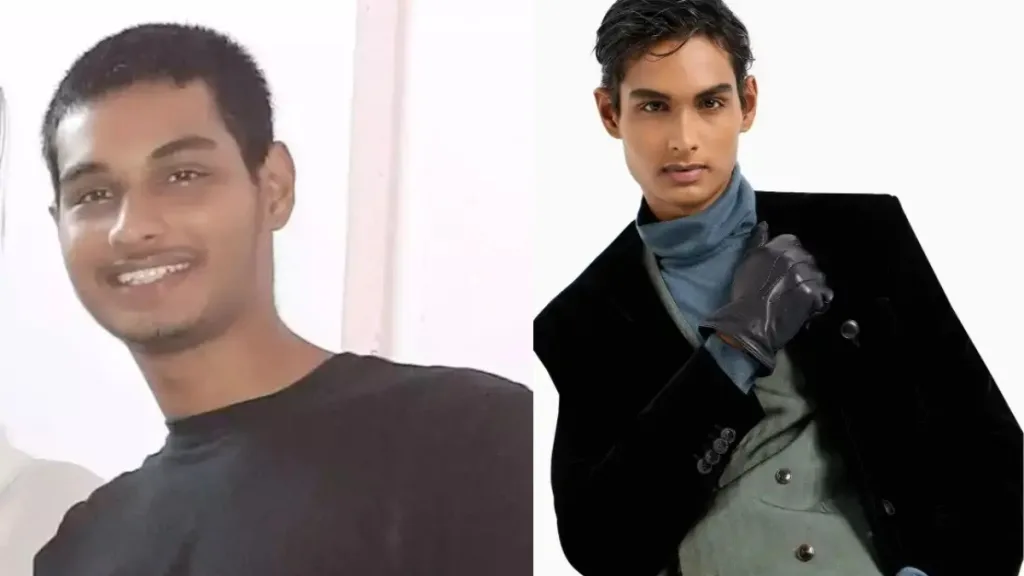
An inspiring career shift from engineering drawings to global fashion runways has captured public attention after an Indian civil engineer turned model, Shubham Vaidkar earned recognition with luxury fashion house Giorgio Armani. The journey highlights how unconventional career transitions, perseverance and self-belief can redefine success in unexpected ways.
The model, who began his professional life as a civil engineer, did not initially envision a future in fashion. Like many young Indians, he pursued engineering as a stable career path, working within a structured technical field before discovering a completely different calling. His early years were focused on academics and professional responsibilities rather than glamour, fashion or media exposure. However, a growing interest in fitness, personal style and creative expression gradually pushed him toward modelling opportunities.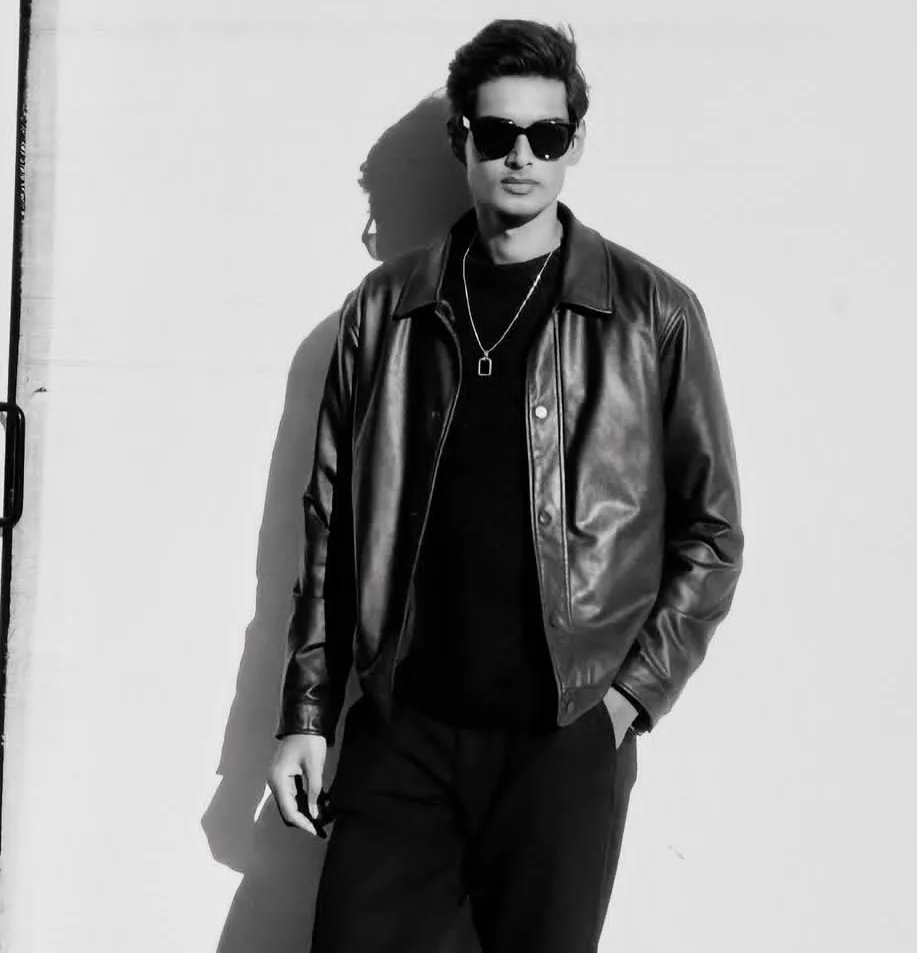

The transition was far from immediate. Entering the fashion industry meant starting from scratch in an intensely competitive environment where global standards, physical discipline and consistent networking play crucial roles. Unlike established industry insiders, he navigated the modelling space without strong connections, relying on auditions, portfolio development and persistent self-improvement to gain visibility.
Initial struggles included rejection, inconsistent assignments and the pressure to balance financial stability with a risky career pivot. Yet, determination became the defining factor. Over time, smaller assignments turned into larger opportunities, and exposure to professional photographers, stylists and casting directors helped refine his presence in front of the camera.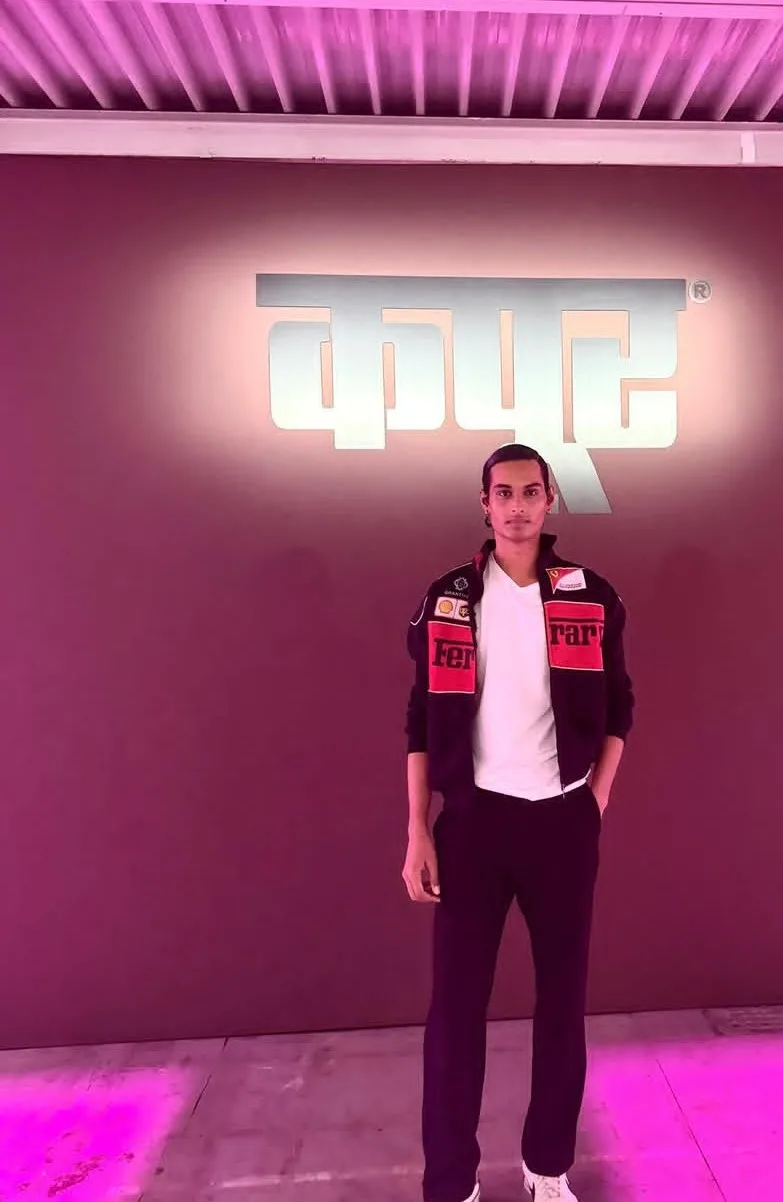

A significant breakthrough arrived when he caught the attention of international fashion scouts. Being selected for projects linked with Giorgio Armani marked a defining milestone. Armani, known globally for minimalistic elegance and refined menswear aesthetics, represents one of the highest benchmarks in luxury fashion. Working with such a brand symbolised validation not only of his modelling skills but also of his ability to compete on an international platform.
The association with the Italian luxury label demonstrated how talent emerging from unconventional backgrounds can reshape perceptions within fashion. Traditionally, high fashion has been associated with certain geographical hubs and established modelling pipelines. Stories like this challenge that narrative, highlighting how global fashion is increasingly embracing diversity and unconventional career paths.
His journey also underscores broader shifts in the modelling industry. Social media visibility, international casting calls and digital portfolios have reduced traditional barriers to entry, enabling individuals from technical or non-creative professions to transition into artistic careers. However, success still depends heavily on discipline, adaptability and a willingness to reinvent oneself.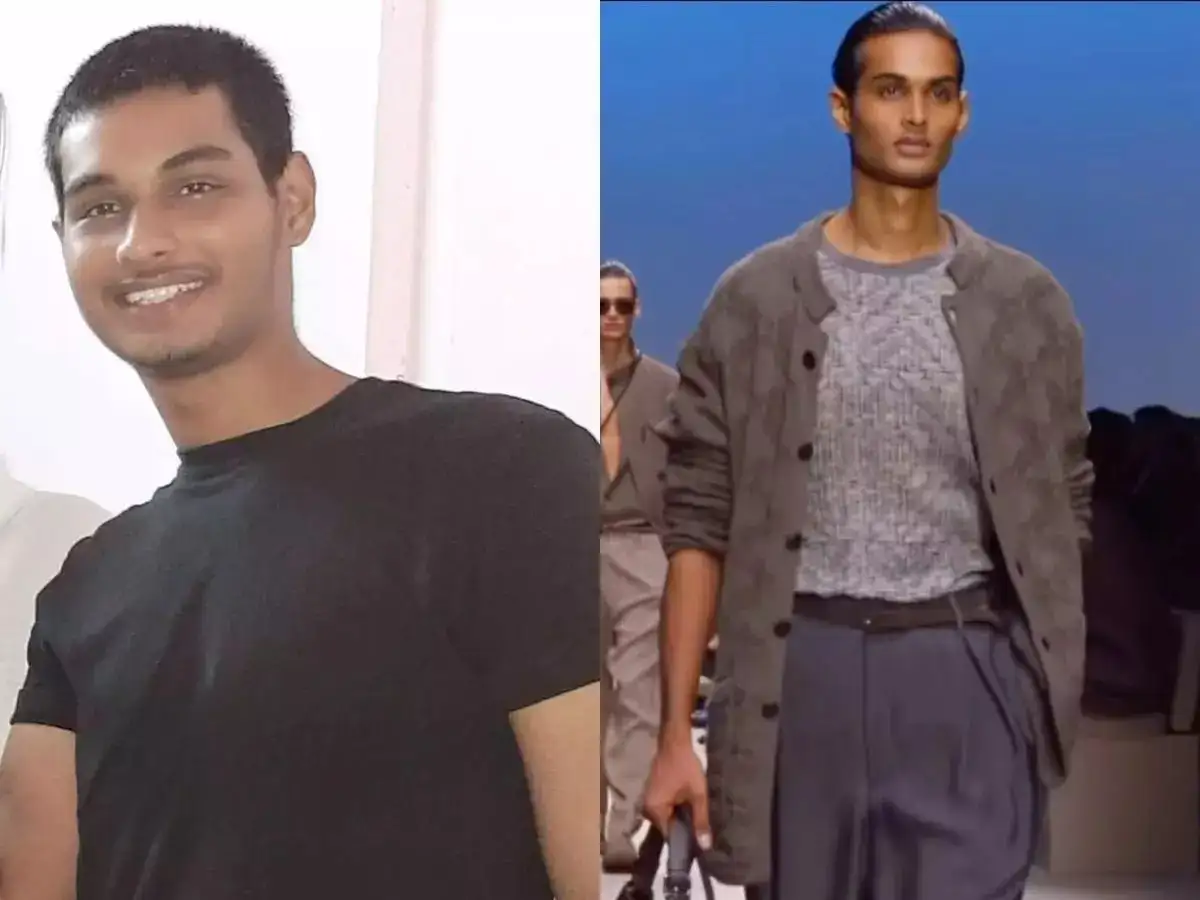

Beyond the glamour, the experience reportedly involved intense preparation including fitness routines, grooming, runway training and understanding brand identity. Working with a luxury fashion house requires embodying a specific aesthetic vision while maintaining individuality, a balance that emerging models must learn quickly.
The transformation from civil engineer to global fashion model has resonated widely because it reflects a narrative familiar to many young professionals navigating expectations versus passion. The story serves as an example of how career reinvention remains possible even after committing years to a different professional path.