


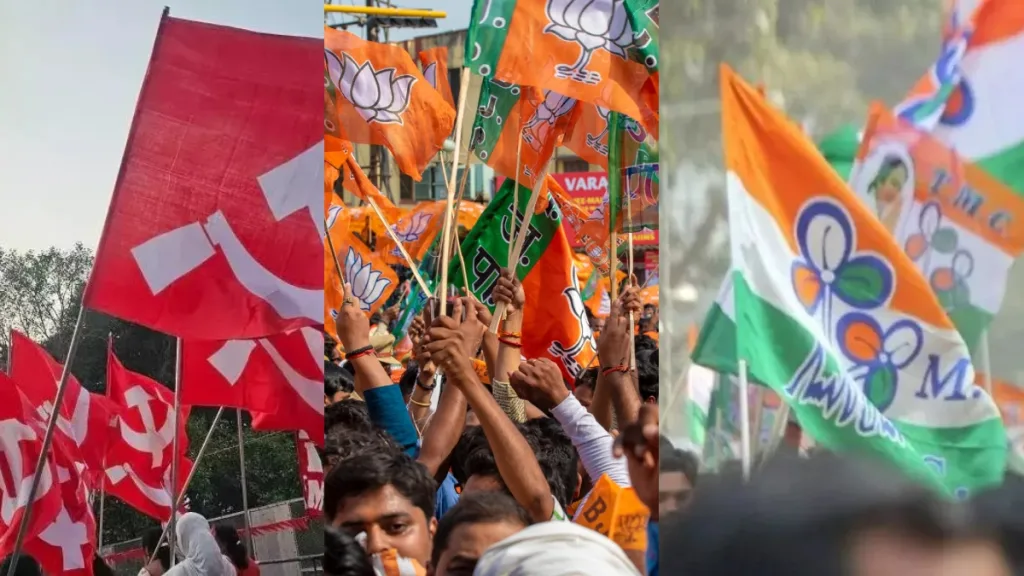
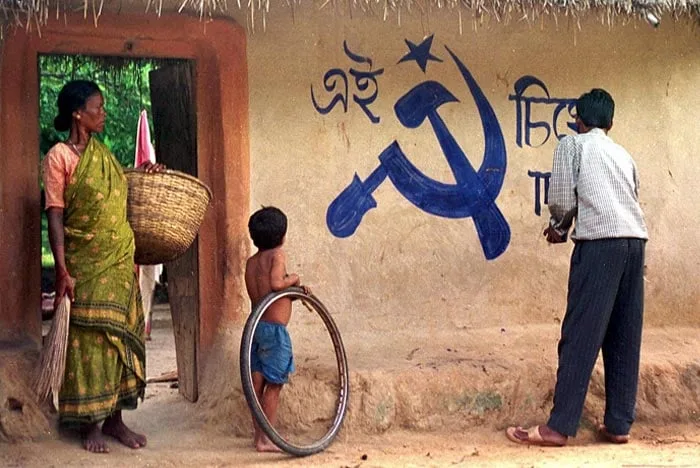
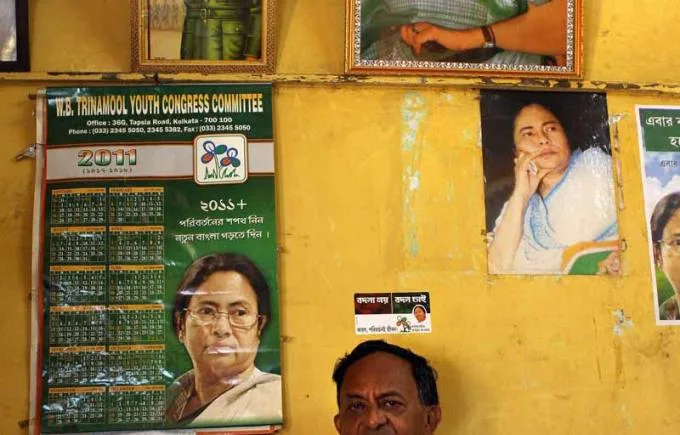
West Bengal’s political map has been reshaped repeatedly since Independence. The Congress dominated early decades, but the 1977 Left Front victory inaugurated a long era of CPI(M)-led rule built on rural mobilisation, land reform narratives and a powerful cadre network. That Left dominance began to fray in the late 2000s amid agrarian discontent, industrial policy clashes and the erosion of the party’s local penetration; Mamata Banerjee’s Trinamool Congress (TMC) capitalised on that opening and swept to power in 2011 by promising regional assertion, populist welfare and a break from decade-long Left bureaucratisation. Over the next decade the TMC consolidated a patronage ecosystem and a tightly-woven local organisation that proved resilient to anti-incumbency.
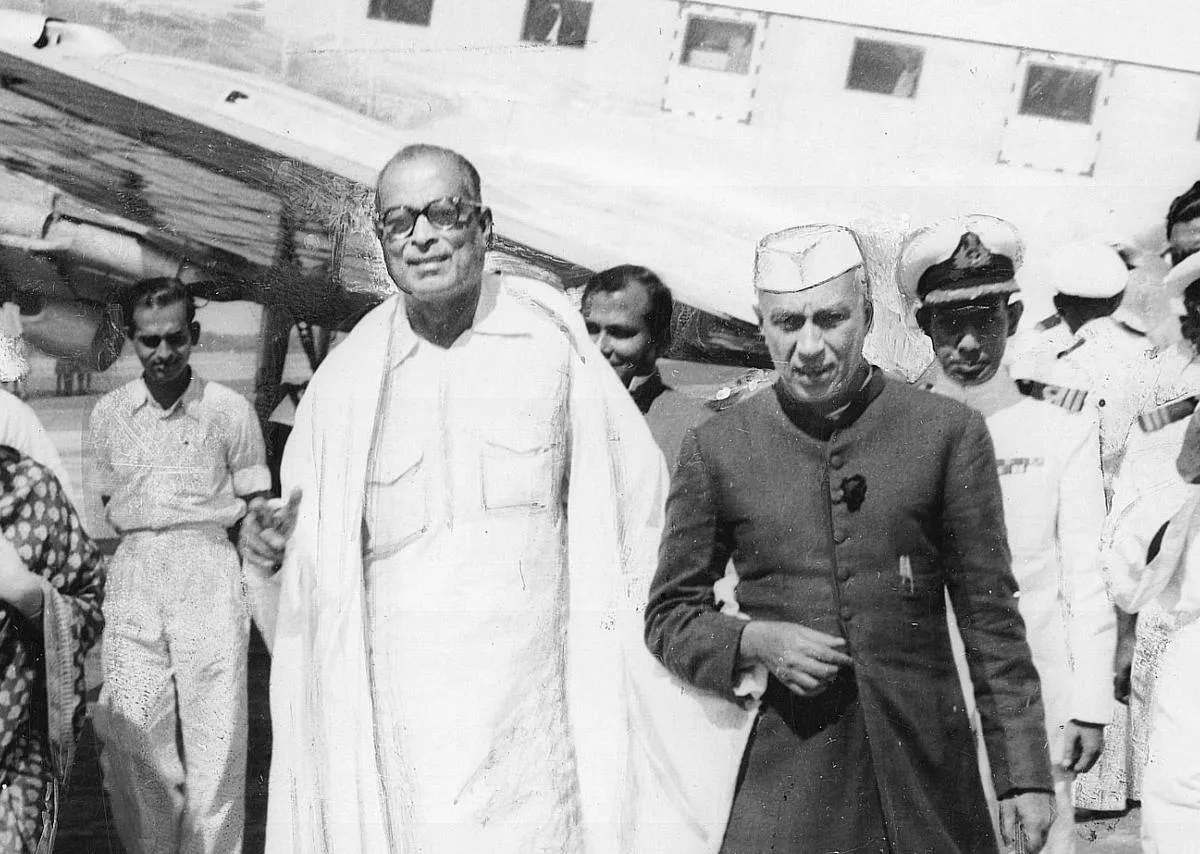

Why TMC remained the constant winner in Bengal
Three linked strengths help explain the TMC’s continued electoral durability. First, grassroots reach and personalised welfare: TMC’s local networks, from panchayats to urban municipal bodies, kept service delivery, transfers and local influence flowing into constituencies, creating direct incentives for voters to stay loyal. Second, the party’s ability to absorb and repurpose dissident politics: TMC repeatedly co-opted regional leaders and social groups that had earlier backed Congress or the Left, hollowing out organised opposition and denying rivals a stable platform. Third, the TMC cultivated cross-community appeal: it retained substantial Muslim support by positioning itself as their most reliable protector against exclusionary central policies or communal polarisation, which matters in a state where Muslims are a significant electoral constituency (around one quarter to nearly 30% by various counts). These combined factors explain why TMC won repeatedly even as national currents pulled elsewhere.
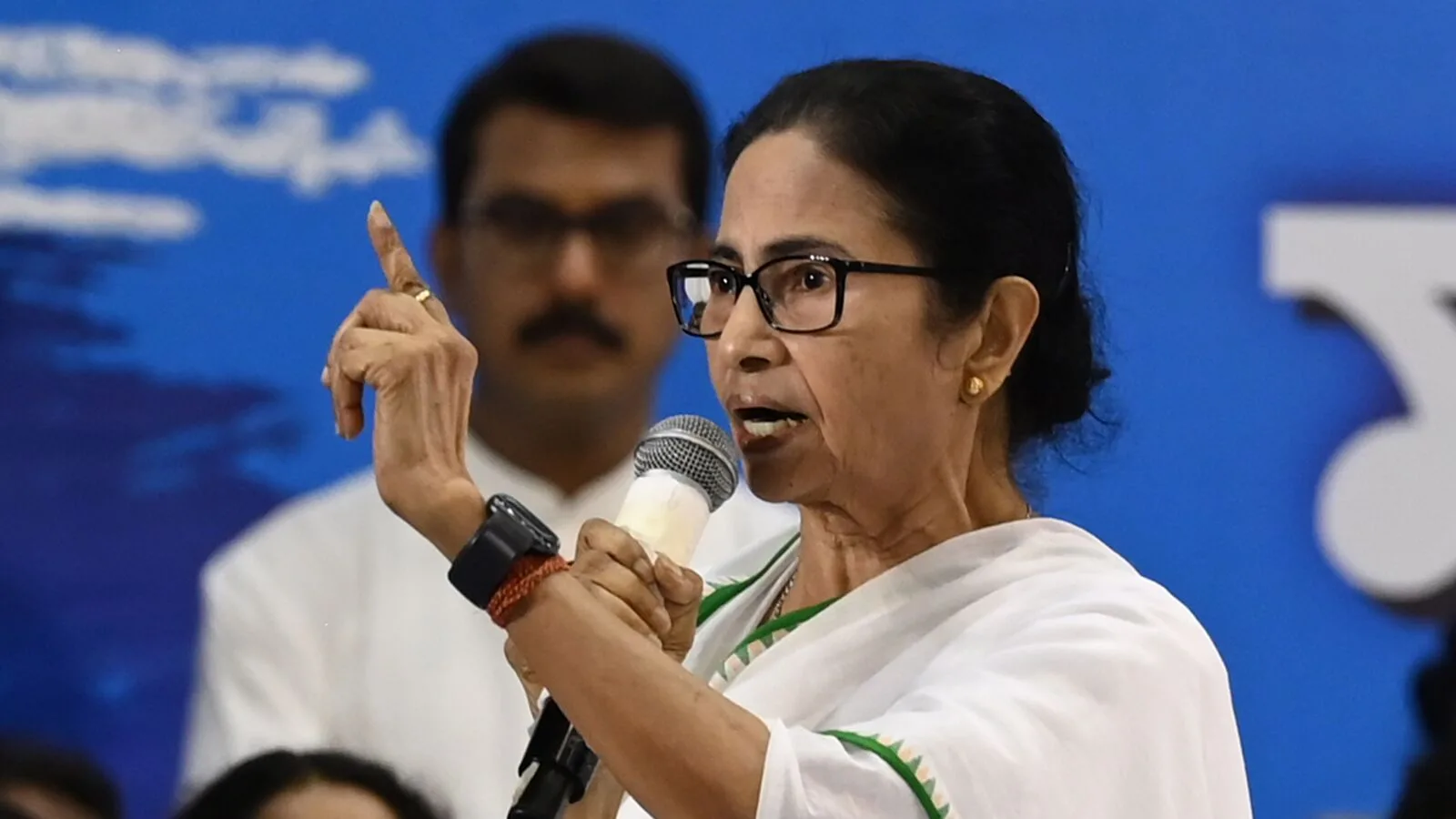

BJP’s inroads — and the Muslim question
The BJP’s surge in Bengal since 2014 (and especially in 2019–2021) was driven by a national Hindutva wave, organisational investment and exploiting anti-incumbency at times. It made notable gains among sections of Hindu voters and in seats with fractured non-BJP opposition. But penetrating the Muslim vote was (and remains) hard. Muslim voters in Bengal have not been monolithic; while some segments have shifted between Congress, Left and TMC over decades, a consolidated cue from TMC leadership and fears about exclusion under a hardline Hindutva narrative kept much of the community aligned with Mamata’s party. The BJP has therefore been forced into two moves: first, sharpen communal polarisation to mobilise Hindu consolidation; second, more recently, try limited outreach to “nationalistic” or disaffected Muslims, an explicit change of tack reported in the Indian Express piece, where BJP leaders speak of targeting sections of minority voters “now against the TMC” and of cultivating “rashtravadi Muslims.”
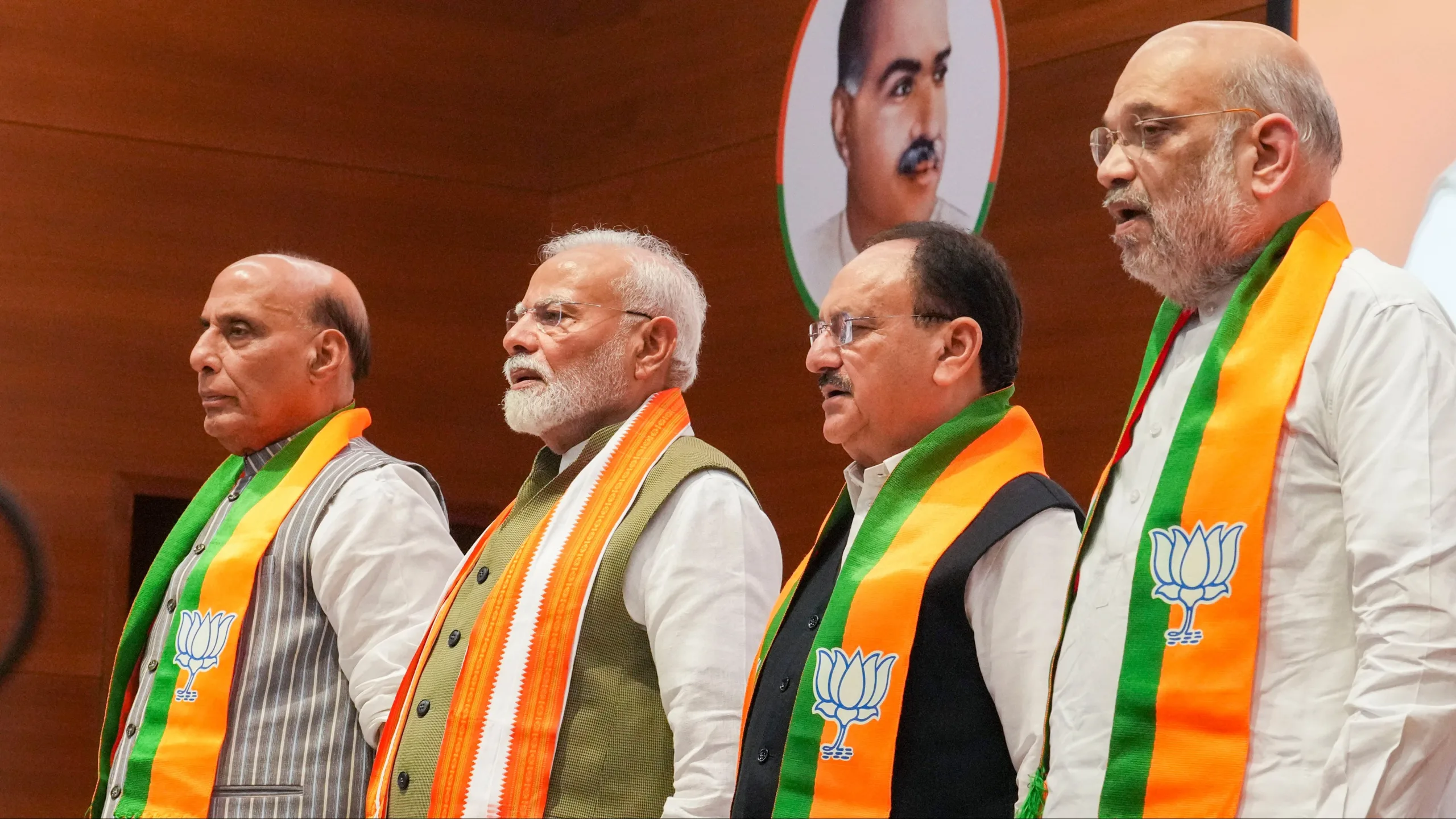

Why outreach is tricky and where it could matter
The BJP’s new messaging, distinguishing between “infiltrators/jihadis” and “patriotic Muslims” and even courting the latter, is tactical. It responds to political reality: Muslims form decisive minorities in many constituencies even where they are not a majority, so peeling off even a small slice can change outcomes. But the strategy is fraught. Labeling or dividing communities invites fierce pushback from secular parties, civil society and community leaders (the TMC and Left have condemned such moves), and practical successes are mixed: BJP remains electorally weak where Muslim voters stay consolidated or where local TMC patronage is strong. Recent by-polls have shown the TMC still able to hold ground in many constituencies, a reminder that social engineering alone cannot substitute for ground presence and welfare politics.
Historical vote-bank shifts: Congress→Left→TMC (and the BJP interlude)
The essential pattern across Bengal is not just party change but clientelist realignment. Congress gave way to the Left on the back of class and land politics; the Left itself lost base in pockets where it failed to renew leadership or address new economic grievances; TMC rose as a populist, regional alternative that stitched together wide social coalitions (women beneficiaries, poor rural voters, certain middle classes and substantial Muslim support). The BJP’s rise disrupted that pattern by mobilising a broad Hindu consolidation and appealing to identity politics; yet it lacked the same welfare-patronage networks and could not wholly replace the TMC’s embeddedness. In many seats the BJP either splits the anti-TMC vote or loses to TMC because Muslim voters consolidate against a perceived communal threat. Scholarly and journalistic studies show Muslim voting in Bengal is strategic and context-driven; when alternatives appear credible, shifts happen, but when identity stakes feel high, consolidation occurs.

Is TMC ready to “hand the baton” to the right?
Two scenarios matter. If the BJP manages to (a) neutralise TMC’s local networks by co-opting leaders and delivering tangible local governance gains, and (b) peel off enough Hindu plus a significant slice of Muslim, it could convert its national momentum into a durable state majority. But that requires more than rhetoric: it needs sustained local cadres, welfare delivery, and legitimacy in minority-dominated pockets, all historically weak points for BJP. Conversely, if TMC repairs governance gaps, avoids major scandals, and continues to present itself as the secular guarantor of local interests, while the opposition remains fragmented, it can remain the anchor of Bengal politics. Recent reporting suggests both parties are learning: BJP is fine-tuning outreach, TMC is doubling down on patronage and polarisation rebuttals. The balance will be decided at the micro-level in many marginal seats.

Structural politics, not headlines, will decide 2026
Bengal’s politics is about organisational depth and social relations as much as slogans. The BJP’s experiment with minority outreach signals strategic adaptation, but it does not guarantee success, especially where TMC’s local machinery and Muslim voter caution remain robust. The larger lesson is that Bengal’s electoral future will be decided less by single-issue polarisation and more by who can translate local credibility, service delivery and cross-community reassurance into votes. If the BJP can build credible local governance narratives and allay minority anxieties, the baton could conceivably pass. For now, however, the TMC’s record of incumbency, cross-community coalitions and adaptability keeps it the favoured holder, unless 2026 produces a much stronger, institutionally embedded alternative.