


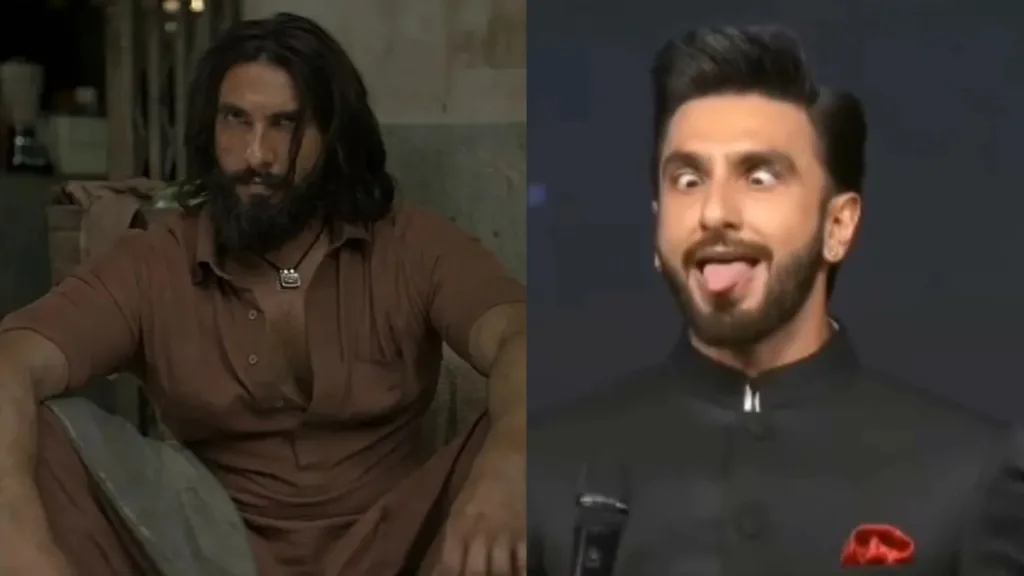
The storm around Dhurandhar has quickly turned into one of Bollywood’s most talked-about “controversies” of the year, with objections ranging from alleged misuse of a martyr’s life story to complaints about visuals of former Pakistani Prime Minister Benazir Bhutto, religious sentiment concerns and claims of miscasting among actors. Yet, despite the growing noise, the situation raises an important question: how much of this outrage reflects a real controversy, and how much of it is part of the broader pattern in which media cycles, intentionally or unintentionally, shape the rise and fall of a film?
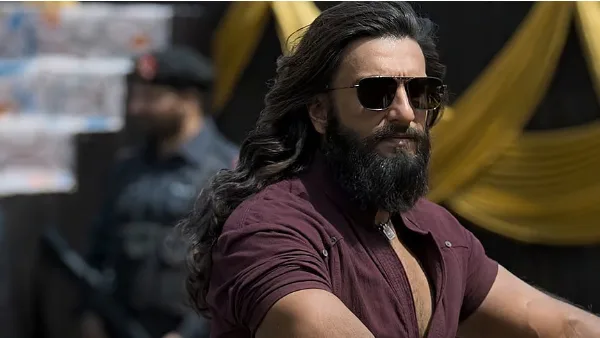

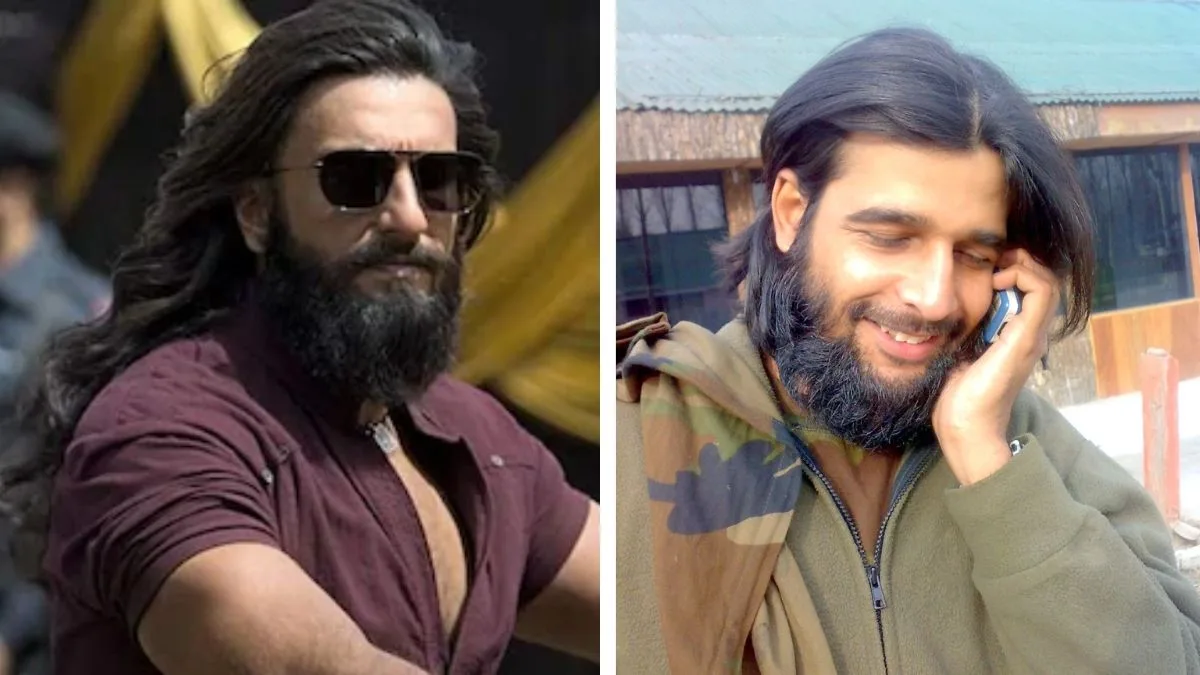
The first objection emerged from the parents of late Major Mohit Sharma, who felt that Dhurandhar drew parallels to their son’s life without consent. The makers denied the connection, asserting the film is entirely fictional, and the Central Board of Film Certification (CBFC) cleared it for release. Around the same time, another complaint accused the film of “unlawful usage” of Benazir Bhutto’s imagery in the trailer, claiming it could provoke anti-Pakistan sentiment. Additional criticism alleged disrespect to a scene referencing religious motifs, with some demanding an apology. These concerns are real in that they have been raised formally, yet none have resulted in legal stays or halted screenings; theatres continue to show the film across India.

This disparity, between intense noise and minimal institutional action, is where the nature of the Dhurandhar “controversy” becomes clearer. Bollywood has seen similar patterns in the past: Padmaavat, Jolly LLB 2 and many other films faced dramatic objections before release, only for the issues to dissipate once the films entered theatres. It often appears that controversies spiral on social media and television debates long before any legal body validates or counters them. This creates a space where a film can be tried in the court of public opinion even when the judicial framework has not flagged it.
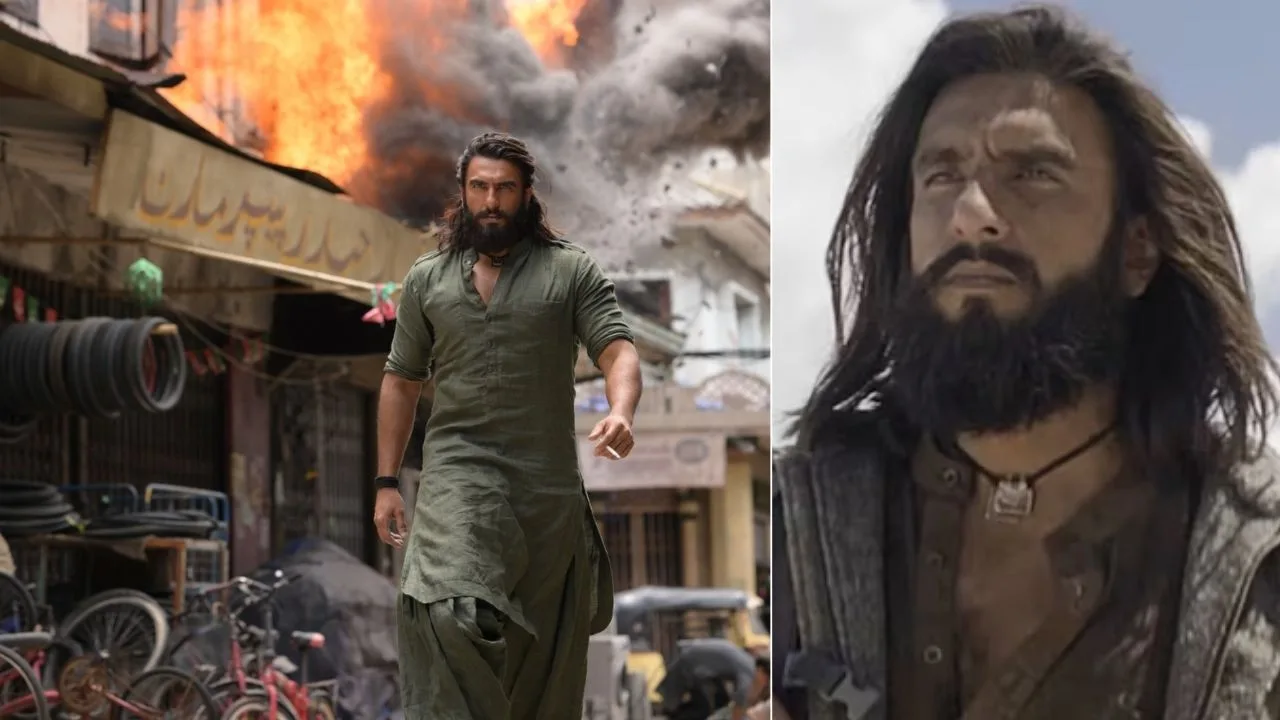

It is in this environment that Dhurandhar is being judged. The protests, the public petitions and the heated commentary form a media trial, one that operates parallel to, and sometimes overshadows, the film itself. Without suggesting that these disputes are artificially engineered, it remains true that such cycles can create the impression of a controversy far larger than the verified facts support. In a hyper-competitive film market, even coincidental clashes of opinion can balloon into headline-driving disputes.
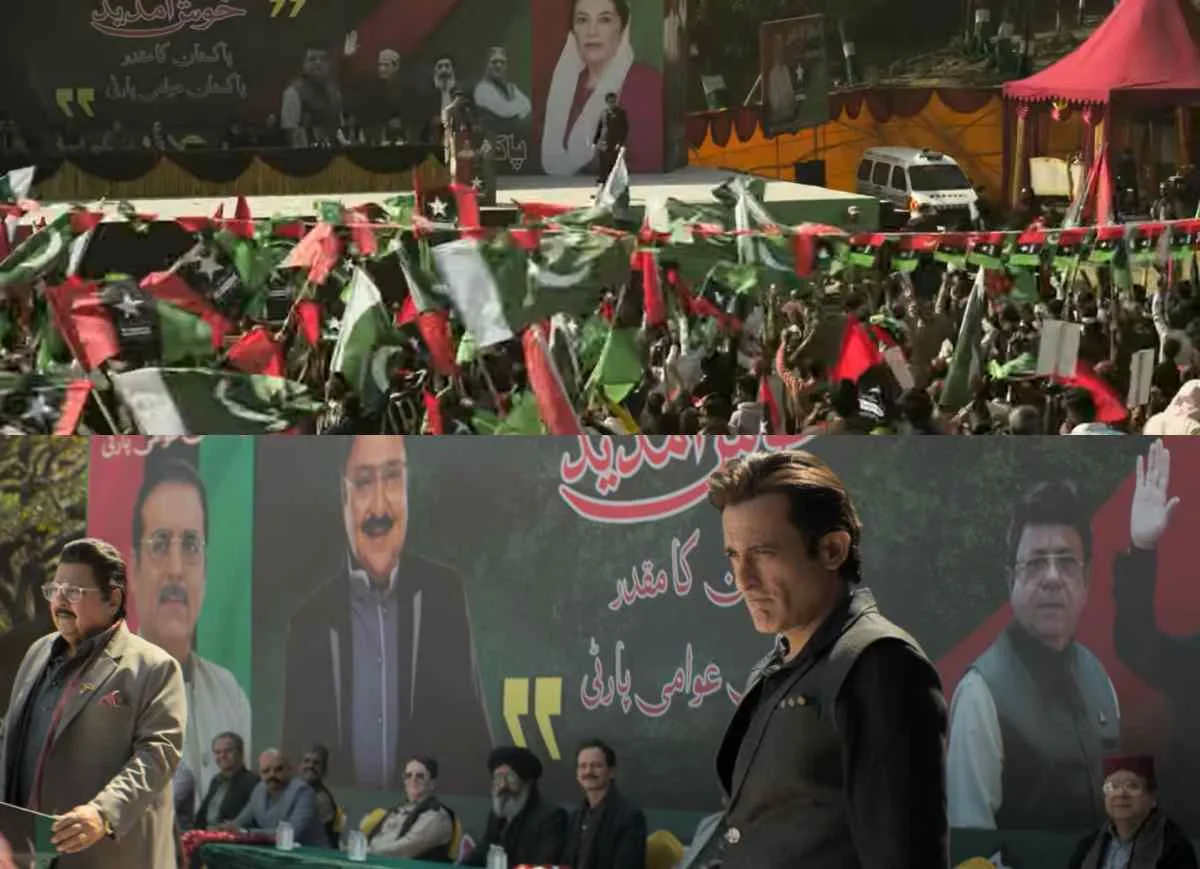

Filmmakers, aware of this landscape, continue to take risks with sensitive themes. Spy thrillers, political references and cross-border narratives naturally sit close to national sentiment. Storylines that brush against history, geopolitics or religion inevitably carry the potential for a public blowout. Yet these subjects also draw audiences in: they promise scale, emotional heft and political resonance. Directors and producers, therefore, navigate a fine balance – crafting stories that feel bold while ensuring they can withstand scrutiny, both ethical and political.
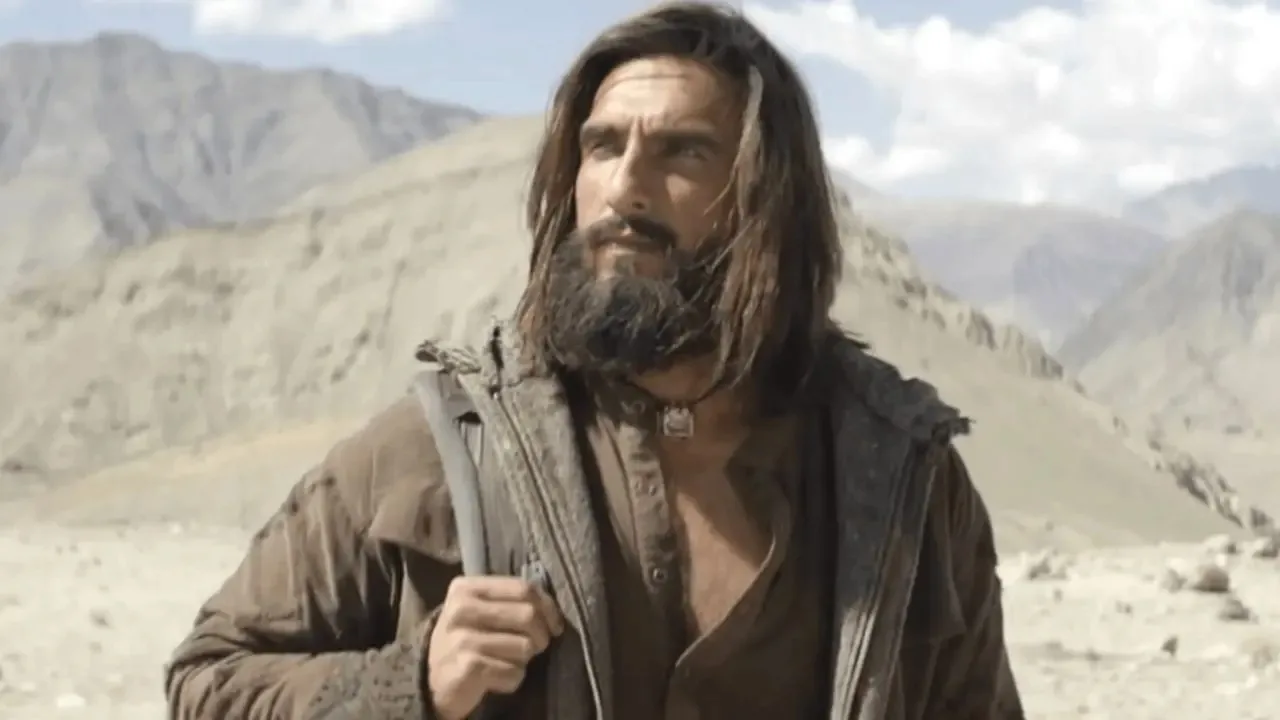
The growing pattern of rapid media escalation, especially in the days surrounding a film’s release, also shows how success and failure now hinge on more than content. A film can enter theatres already weighed down by public debate. Audiences, meanwhile, increasingly encounter films as “events” shaped by noise, not just narratives shaped by craft.

In this light, Dhurandhar becomes a case study. The film’s real test lies not in the objections raised against it, but in whether its storytelling survives the parallel contest of opinions that now surrounds every major release. And as long as the public conversation remains driven by reactive cycles, the line between a genuine controversy and a magnified one will continue to blur, even when, as in this case, the “controversy” may not fully meet the threshold of one.