


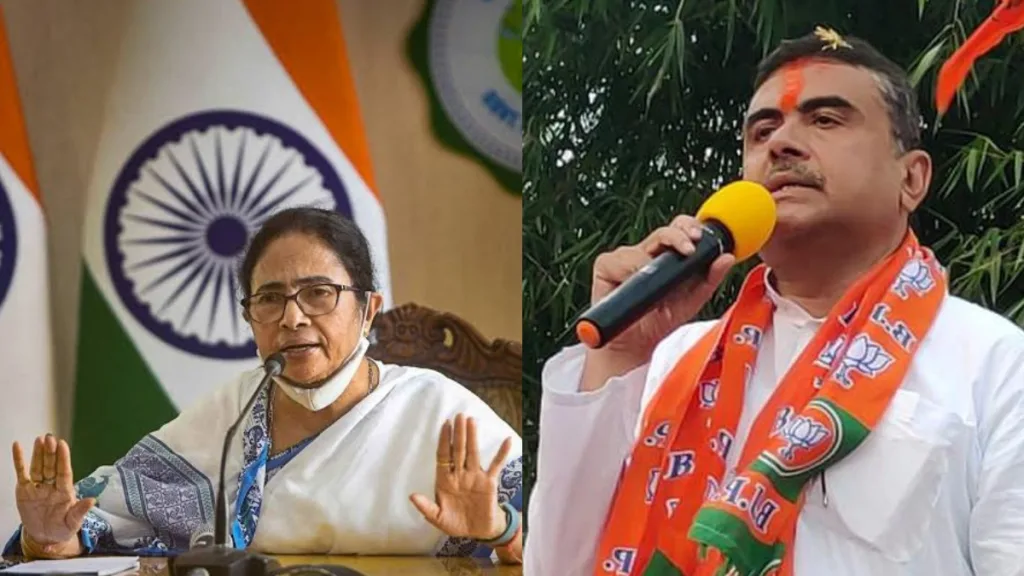
West Bengal’s political discourse has undergone a noticeable transformation over the past decade, shifting from ideological contestation to personality-driven confrontation. This evolution is not unique to Bengal but mirrors a broader trend across Indian politics where personal attacks increasingly dominate electoral rhetoric. However, Bengal’s political culture, historically defined by intellectual debates and ideological rivalries between Left, Congress, and later the Trinamool Congress (TMC), makes the change particularly striking. Today’s political exchanges often revolve around targeting individual leaders rather than engaging in policy disputes, reflecting a deeper structural change in electoral strategy and public messaging.
Political rhetoric in the state frequently escalates into personal allegations and identity-based framing. Leaders across parties deploy sharp verbal attacks, often aimed at discrediting opponents rather than persuading voters through programmatic agendas. This transition is rooted partly in the collapse of traditional ideological blocs. As ideological distinctions blur and electoral competition intensifies, personalised political narratives become easier tools for mobilising voters.
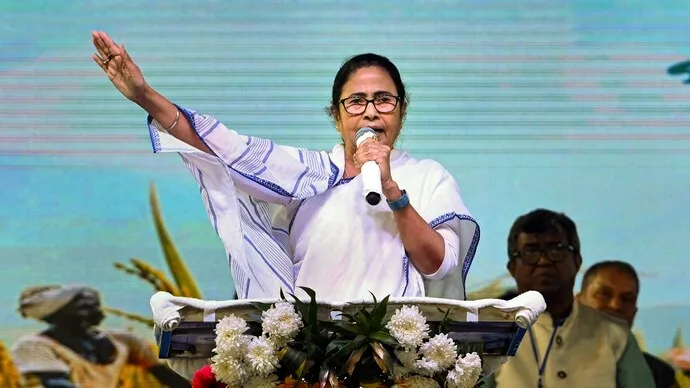

Mamata Banerjee vs BJP: A Politics of Personalisation
The contest between Chief Minister Mamata Banerjee and the Bharatiya Janata Party (BJP) has accelerated the trend toward personalisation. Banerjee’s political style has always been rooted in strong symbolism and emotional messaging. Her slogan “Maa Mati Manush” emphasised identity and cultural belonging, helping her mobilise grassroots support against the Left Front’s long rule.
However, as BJP emerged as the primary opposition force, the political conversation increasingly revolved around personal accusations rather than governance debates. The BJP has targeted Banerjee personally on issues ranging from alleged corruption to law-and-order controversies, while TMC has countered by portraying BJP leaders as outsiders threatening Bengali identity. This framing often shifts focus away from structural issues like unemployment, industrial stagnation, or rural distress.
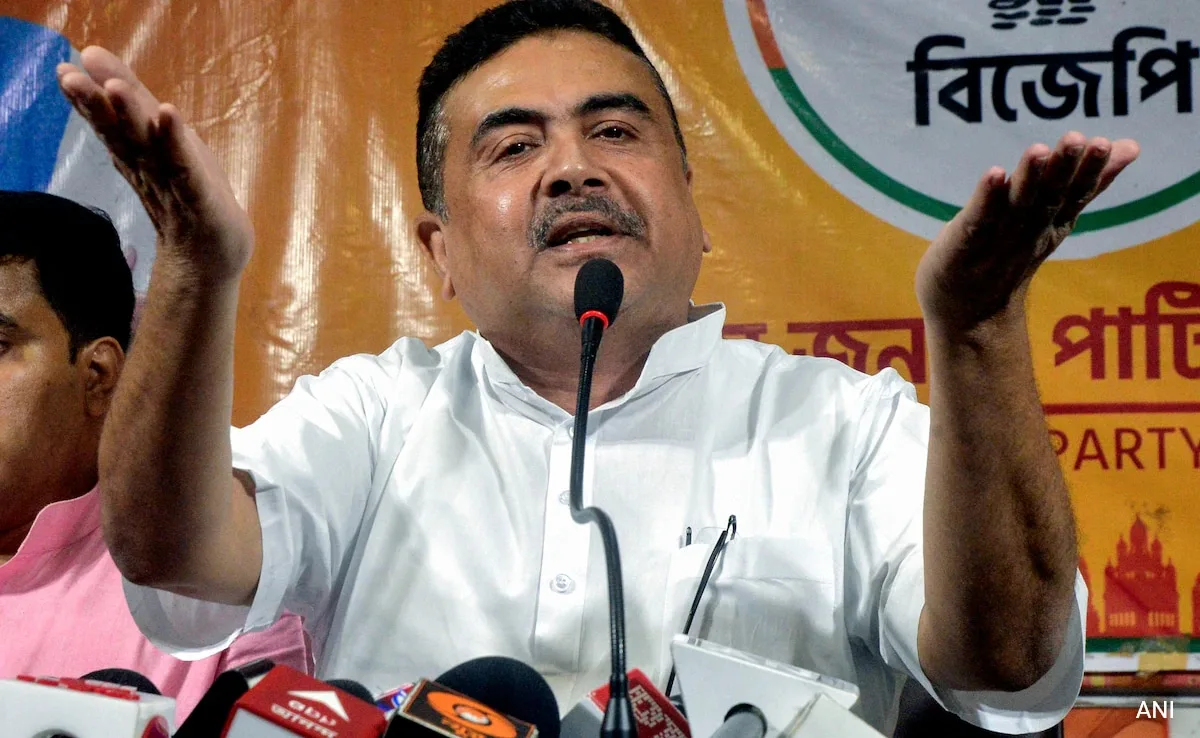

Such political framing serves electoral purposes. Personalised narratives simplify complex political realities into emotionally resonant stories, making them effective tools in a highly polarised environment. Yet, the downside is the erosion of nuanced policy debate, replacing substantive engagement with performative confrontation.
The Rise of Aggressive Political Language
The tone of political communication in Bengal has grown sharper, reflecting the nationalisation of political discourse. Leaders from multiple parties have made controversial remarks that attract headlines but deepen polarisation. Instances of aggressive or derogatory statements by political leaders have drawn criticism for lowering the level of debate.
Aggressive rhetoric is not simply rhetorical excess. It is part of a deliberate communication strategy designed to maintain media visibility and energise core supporters. The more provocative the statement, the more attention it receives, feeding into a cycle where political reward structures incentivise escalation rather than restraint.
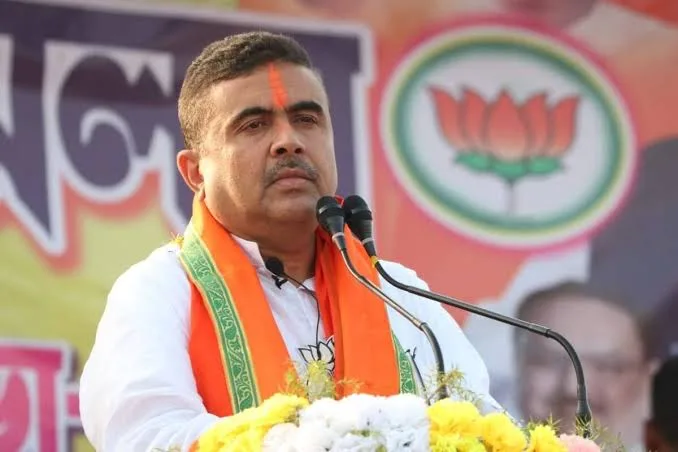

This strategy reflects broader changes in Indian politics, where electoral success increasingly depends on dominating narrative spaces rather than persuading through policy detail. Social media amplification further intensifies this phenomenon, as controversial statements travel faster than nuanced discussions.
Personal Attacks as Political Mobilisation
In Bengal, personal attacks often serve as proxies for ideological positioning. Accusations against individual leaders frequently carry symbolic meanings for larger political battles. For instance, BJP’s critiques of Banerjee are framed as challenges to alleged corruption or appeasement politics, while TMC positions attacks against BJP leaders as resistance to cultural homogenisation or “outsider” dominance.
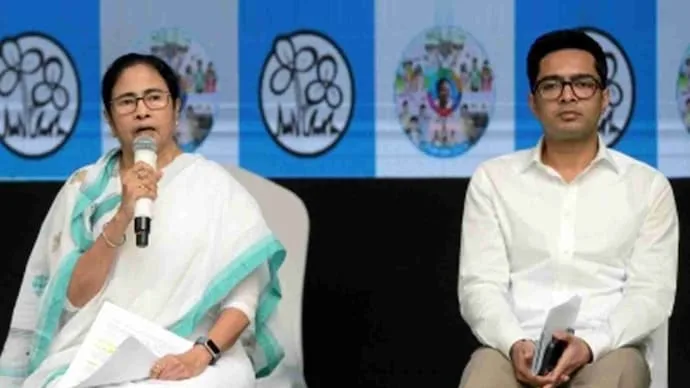
This narrative-building extends beyond speeches into campaign imagery and slogans. Political controversies, corruption allegations, or law-and-order incidents are framed through personalised narratives, reinforcing a “leader versus leader” dynamic rather than a party or ideology-based contest.
The Sandeshkhali controversy and other political flashpoints illustrate how events quickly become personalised political battlegrounds, with rival parties accusing each other of orchestrating or exploiting crises for electoral advantage. These episodes deepen political polarisation while shifting focus away from institutional accountability.
The Decline of Ideological Politics
Historically, Bengal politics was shaped by ideological debates rooted in class politics, labour movements, and intellectual traditions. The Left era emphasised programmatic discourse centred on land reform, labour rights, and state-led development. Even TMC’s rise under Banerjee was framed as an ideological shift against Left governance models.
Today, however, ideological distinctions appear less pronounced. Electoral competition revolves around identity narratives, governance controversies, and leadership charisma rather than coherent ideological visions. This shift mirrors national trends where personality-driven politics increasingly eclipses ideological frameworks.
The decline of ideological debate creates space for personal attacks to flourish. Without strong ideological anchors, campaigns rely on emotional appeals, identity mobilisation, and individual character narratives to differentiate political choices.
Jingoism, Regionalism and Electoral Polarisation
Personal attacks in Bengal politics often intertwine with identity politics. Regional pride has emerged as a powerful electoral tool, with leaders invoking linguistic and cultural identity to mobilise support. Banerjee has repeatedly framed political conflict in terms of protecting Bengali identity against perceived external threats.
Similarly, BJP’s strategy emphasises nationalistic narratives and identity-based mobilisation aimed at consolidating specific voter blocs. The collision of regionalism and nationalism creates a charged environment where personal attacks become shorthand for broader ideological conflicts.
This trend reflects deeper structural changes in Indian politics. Electoral messaging increasingly relies on emotionally charged themes such as cultural pride, religious identity, or regional autonomy. Personal attacks serve as catalysts for these narratives, turning political contests into symbolic battles over identity rather than governance.
The Role of Media and Public Indifference
Another factor driving the rise of personalised attacks is the evolving media ecosystem. Television debates and social media platforms reward dramatic confrontation and sensational statements. Political actors adapt accordingly, prioritising rhetoric that guarantees visibility and engagement.
However, this transformation raises concerns about public indifference toward policy issues. When political discourse becomes dominated by personal accusations, voters may disengage from substantive governance debates. Over time, this risks creating a feedback loop where politicians feel less pressure to present policy solutions, reinforcing the cycle of personality-driven politics.
Public fatigue with constant political confrontation can also lead to cynicism, reducing trust in democratic institutions. When political narratives revolve around mutual accusations of corruption or betrayal, voters may begin to view politics as inherently transactional rather than transformative.
Bengal as a Microcosm of National Trends
The evolution of Bengal politics mirrors broader shifts in Indian democracy. Across states, political competition increasingly revolves around strong personalities and polarising narratives. Bengal’s political intensity amplifies these trends, making them more visible but not fundamentally different from developments elsewhere.
What distinguishes Bengal is the speed of transformation. Within a decade, the state moved from multi-polar ideological competition to a sharply polarised contest between two dominant personalities. The decline of the Left and Congress created a vacuum that intensified direct confrontation between TMC and BJP, accelerating the shift toward personalisation.
Democratic Risks and Future Trajectories
The growing emphasis on personal attacks carries significant democratic risks. First, it narrows the space for policy debate, limiting voter exposure to alternative visions for governance. Second, it deepens polarisation, making compromise or coalition-building more difficult. Third, it risks normalising aggressive political language that undermines democratic civility.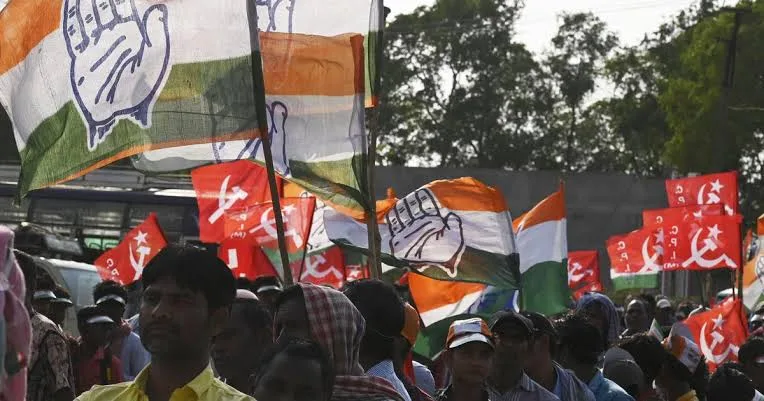

At the same time, personalisation reflects structural realities of modern electoral politics. Voters often respond more strongly to relatable leaders than abstract policy frameworks. In this sense, personal politics is unlikely to disappear entirely.
The challenge lies in balancing strong leadership narratives with meaningful policy discourse. Without such balance, Bengal’s political future risks becoming trapped in cycles of escalating rhetoric that prioritise short-term mobilisation over long-term governance.
Warning Signs for Democratic Culture
The rise of personal attacks in Bengal politics is not merely a stylistic change but a structural shift reflecting deeper transformations in Indian democracy. As political competition intensifies and ideological distinctions blur, leaders increasingly rely on personalised narratives to mobilise voters.
While such strategies may deliver electoral gains, they carry long-term consequences for democratic culture. The erosion of policy-focused debate, the amplification of jingoism and regionalism, and the growing acceptance of aggressive rhetoric signal a political environment where power struggles overshadow collective problem-solving.
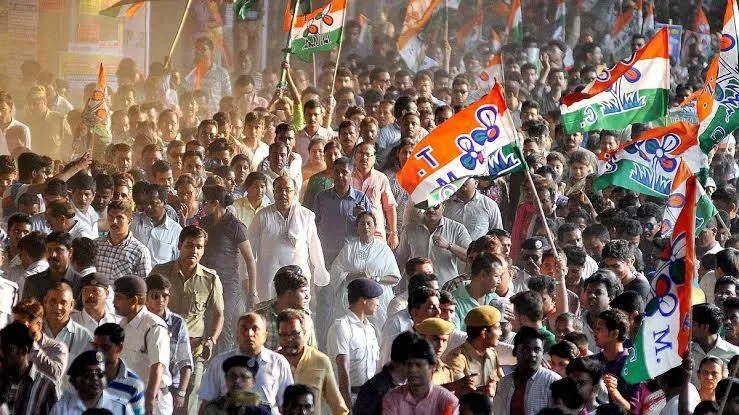

Bengal’s political landscape thus serves as both a mirror and a warning. It reflects broader national trends toward personality-driven politics, but also highlights the risks of allowing personal vendettas to dominate public discourse. Whether future political actors can reverse this trajectory remains uncertain, but the stakes extend far beyond any single election, touch
ing on the very quality of democratic engagement in contemporary India.