


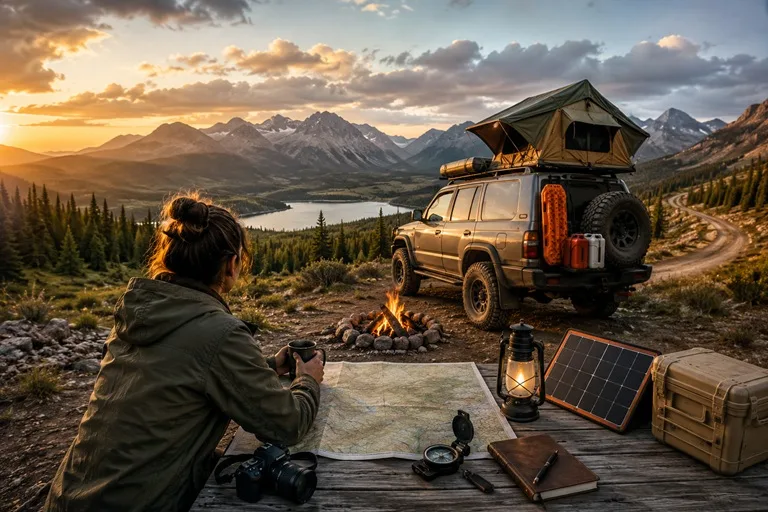
There is nothing quite like the freedom of an Australian road trip. Escaping the daily grind, disconnecting from technology, and exploring remote landscapes offer a unique sense of adventure that standard holidays cannot match. Whether you are heading to the red dirt of the outback or searching for a hidden coastal campsite, the isolation is a huge part of the appeal. However, leaving the beaten path behind requires significantly more than just an adventurous spirit and a tank of petrol. When you are travelling hours away from the nearest town or mobile tower, careful planning is the difference between an unforgettable holiday and a stressful ordeal. To ensure your off-grid getaway is both safe and enjoyable, you need a solid strategy tailored specifically for harsh environments.
Packing the Right Gear for Self-Sufficiency
When travelling entirely off the grid, you become your own primary resource. Relying on distant roadhouses for fuel or water is incredibly risky because long, empty stretches of highway can easily leave you stranded without warning. Calculating your exact fuel range and daily water needs per passenger is a vital step in the early planning phase. To safely transport these extra reserves over corrugated dirt tracks, you must have the appropriate heavy-duty storage solutions attached to your vehicle. Securely mounting a high-quality jerry can to your four-wheel drive ensures that emergency diesel or drinking water will not leak, rattle, or become compromised during rough transit. By keeping these vital supplies safely stored on the exterior of your vehicle, you also save precious cabin space for your passengers and camping equipment, keeping the interior comfortable for long driving days.
Acknowledging the Realities of Regional Driving
Driving through remote landscapes presents specific challenges that you will simply not encounter on city streets or suburban highways. Dust clouds, sudden weather changes, unpredictable wildlife crossings, and extreme driver fatigue all play a major role in your overall road safety. Kangaroos and cattle often wander onto rural roads at dawn and dusk, adding another layer of complexity to your journey. It is crucial to understand these risks before you set off. According to the Queensland Government’s StreetSmarts initiative, while less than one third of the population lives in regional areas, nearly two thirds of all fatal road crashes occur on rural and remote roads. This sobering statistic highlights exactly why thorough vehicle preparation is non-negotiable for any outback journey. Before departure, always have a certified mechanic check your tyres, brakes, suspension, and vital fluids to ensure your four-wheel drive is fully ready for rugged terrain.
Setting Up Reliable Navigation and Communication
Mobile phone reception is notoriously unreliable once you leave major highways behind. Navigating off-grid requires a careful blend of modern technology and traditional methods. Always download offline maps to your GPS devices or mobile phones before leaving home, but do not rely on them exclusively. Carrying updated physical topographic maps of the area is a crucial backup in case your digital devices fail, overheat in the sun, or run out of battery power. Furthermore, emergency communication is just as important as navigation. Investing in a satellite phone or a personal locator beacon ensures that you can always call for help in a medical or mechanical emergency, regardless of how far you are from the nearest mobile tower. Having these backup systems in place gives you the confidence to explore further.
Organising Your Sustainable Travel Checklist
Once your vehicle is completely prepped and your emergency supplies are secured, it is time to focus on your everyday packing list. Travelling self-sufficiently means managing your own waste in sensitive environments, making this a perfect opportunity to adopt eco-friendly outdoor habits. As you put together your itinerary, you might also want to look into simple ways to reduce your carbon footprint while travelling this summer by choosing reusable items over single-use plastics and packaging. Protecting the pristine environments you visit ensures they remain beautiful for future generations of campers.
Consider incorporating the following essentials into your remote travel packing list:
- Reusable water bottles and insulated travel mugs to cut down on unnecessary plastic waste around the campsite.
- Solar-powered chargers and camp lanterns to keep your essential devices powered without draining your car battery.
- Biodegradable soaps and environmentally safe dishwashing liquids to protect sensitive local waterways from harmful chemicals.
- Canvas tote bags and durable food storage containers for managing your camp meals efficiently and keeping wildlife away.
- A comprehensive remote first-aid kit, complete with snake bite bandages, thermal blankets, and enough personal medications to last your entire trip.
An off-grid road trip is easily one of the most rewarding ways to experience the raw, untouched beauty of nature. By taking the time to respect regional driving conditions, properly equipping your vehicle for total self-sufficiency, and packing responsibly, you set the stage for an incredible journey. The profound peace of mind that comes from being well prepared allows you to focus fully on the experience, the scenery, and the memories you are creating. Plan carefully, pack smart, drive safely, and enjoy the adventure of a lifetime.