


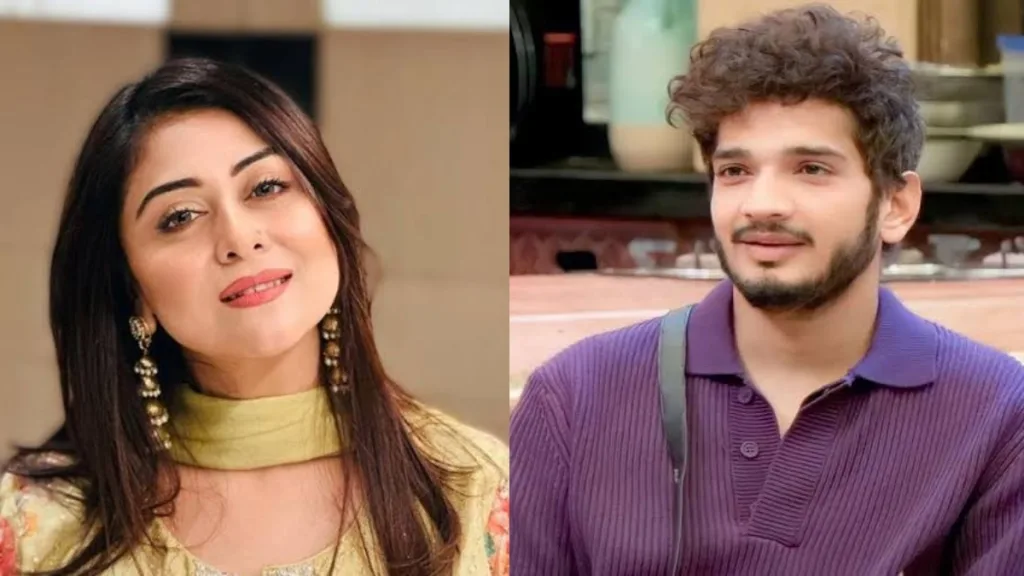
The circulation of a disturbing lynching video from Bangladesh has drawn sharp and emotional reactions from Indian celebrities, with actor Falaq Naaz and comedian Munawar Faruqui emerging as two of the most vocal voices condemning the incident. Their responses, rooted in anguish rather than performative outrage, have brought renewed attention to the brutality captured in the viral footage and the uncomfortable questions it raises about violence, faith, and collective silence.
The video, which spread rapidly across social media platforms, showed a Hindu man being attacked by a mob in Bangladesh. The graphic visuals sparked widespread shock, but it was the reactions from figures like Munawar Faruqui and Falaq Naaz that helped amplify the conversation beyond fleeting outrage. Both stressed that the incident must be viewed through the lens of humanity rather than reduced to religious or political point-scoring.


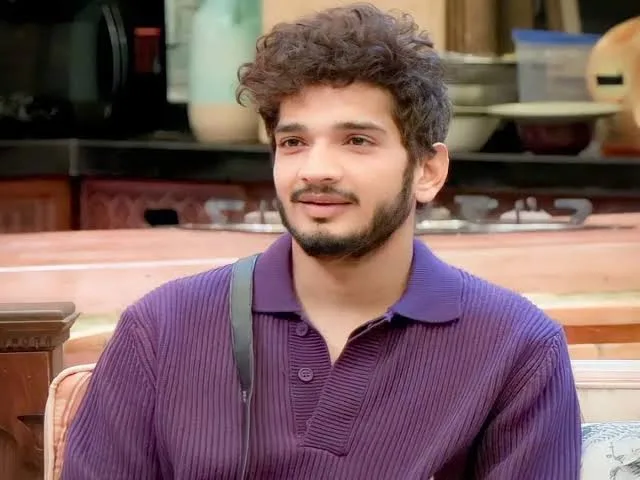
Munawar Faruqui, known for speaking candidly on social issues, reacted strongly to the visuals. Calling the act inhuman, he questioned how such violence continues to find space in society and why accountability so often arrives late, if at all. His remarks reflected anger and disbelief, as he demanded strict punishment for those involved. Munawar’s response resonated widely online, partly because of his own complex public identity and history of navigating religious and political scrutiny. His reaction was not framed as a communal statement but as a moral one, condemning mob violence in absolute terms.



Falaq Naaz, meanwhile, chose a more reflective but equally firm tone. She emphasized that her condemnation was not driven by religious allegiance but by empathy for a life lost in a cruel and public manner. Falaq stated clearly that violence of this nature cannot be justified under any belief system and that silence in the face of such brutality only enables repetition. Her insistence that “humanity comes first” cut through the noise of online arguments that often spiral into ideological camps.

Both reactions stood out because they avoided sensationalism. Instead of centering themselves, Munawar and Falaq focused on the victim and the broader moral failure that allows mob violence to thrive. In an online environment where tragedy often becomes content, their responses redirected attention to the gravity of the act itself.
Other celebrities, including Devoleena Bhattacharjee and Rajiv Adatia, also expressed outrage, but the early and pointed reactions from Munawar and Falaq set the tone of the discussion. Their statements helped frame the issue not as an isolated viral clip but as part of a recurring pattern of violence that demands sustained attention and justice.


The incident has also reignited debates around the ethics of sharing graphic videos. While such footage can expose brutality and force conversations, it also risks desensitizing viewers or turning suffering into spectacle. Munawar and Falaq both acknowledged the emotional toll of watching such visuals, underscoring the responsibility of platforms and users alike.
Authorities in Bangladesh have since stated that investigations are underway and that those responsible will be held accountable. However, the speed at which the video spread compared to the slower pace of justice highlights a familiar imbalance in the digital age. Outrage travels instantly, while closure does not.
What the reactions from Falaq Naaz and Munawar Faruqui underline is a growing expectation from public figures to speak with clarity rather than caution. Their voices did not claim moral superiority, but they refused indifference. In doing so, they reminded audiences that beyond politics, religion, and borders, the loss of a life to mob violence is a failure that concerns everyone.