


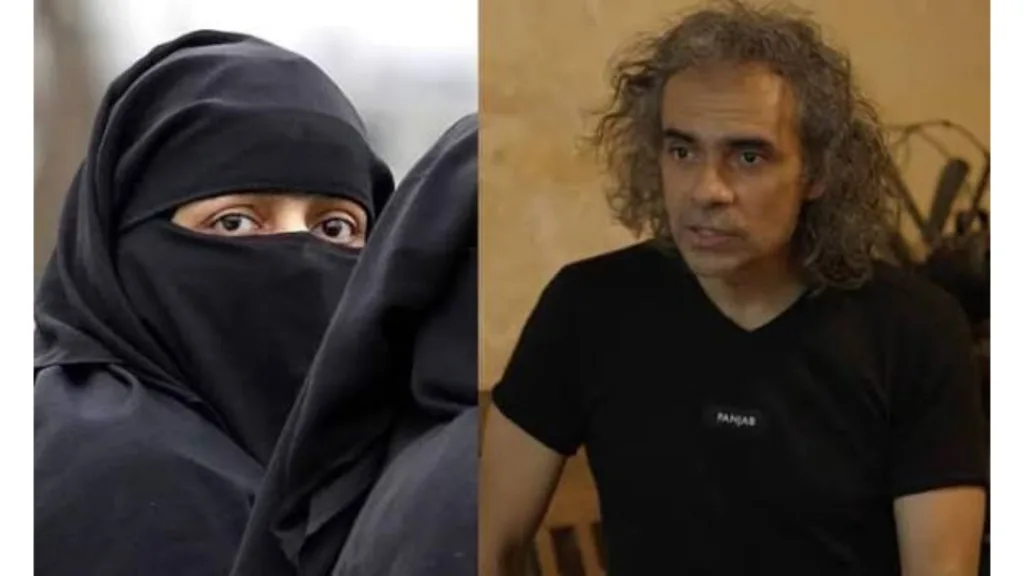
Filmmaker Imtiaz Ali has found himself at the centre of an online debate after comments he made about the burqa, parda and social conditioning began circulating widely on social media. The director, known for films such as Jab We Met, Rockstar, Highway and the recently released Main Vaapas Aaunga, questioned whether practices that restrict women’s freedom can truly be defended as matters of personal comfort.
During a recent interaction, Imtiaz reflected on the way societies often normalise customs and traditions that place limitations on women. Referring to the arguments frequently made in defence of the burqa and parda systems, the filmmaker said he finds it difficult to accept the idea that restrictions become acceptable simply because individuals grow accustomed to them. His remarks quickly triggered strong reactions across social media platforms, with supporters and critics offering sharply contrasting interpretations.
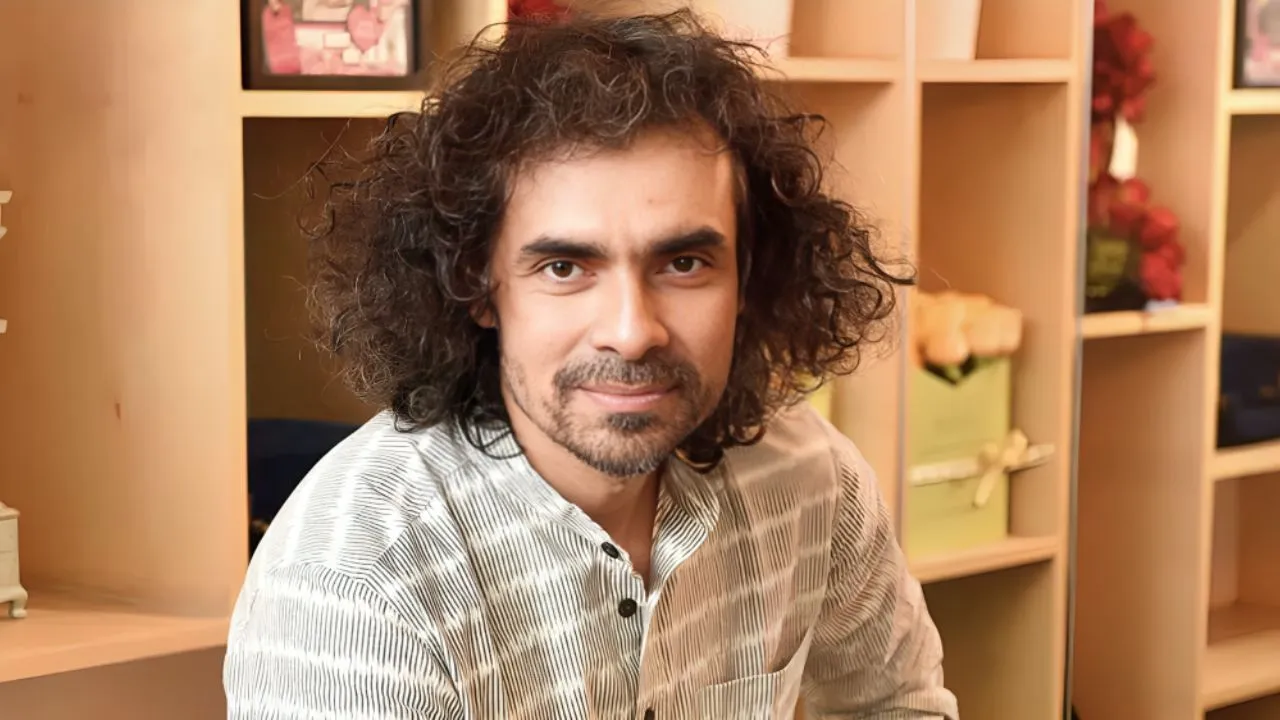

According to clips from the conversation that have gone viral online, Imtiaz questioned statements such as “I am comfortable in my burqa” or “I am comfortable in my parda.” He argued that societies sometimes condition people to accept limitations to such an extent that those restrictions begin to feel natural or even desirable. The filmmaker suggested that this process of normalisation deserves greater scrutiny.
Imtiaz went on to describe it as a sign of a “degenerate society” when individuals begin defending systems that may have originally emerged from unequal social structures. He expressed concern that victimhood and social conditioning can sometimes become so deeply internalised that people stop questioning the systems around them altogether. His comments were framed as a broader observation about social behaviour rather than a direct criticism of any one community.
The filmmaker’s remarks sparked immediate debate online. Some users praised him for raising uncomfortable questions about patriarchy, gender roles and societal expectations. Supporters argued that his comments echoed long-standing feminist discussions about whether personal choices are always entirely free or shaped by cultural pressures and inherited norms. Others viewed his observations as an important contribution to conversations about women’s autonomy and freedom.
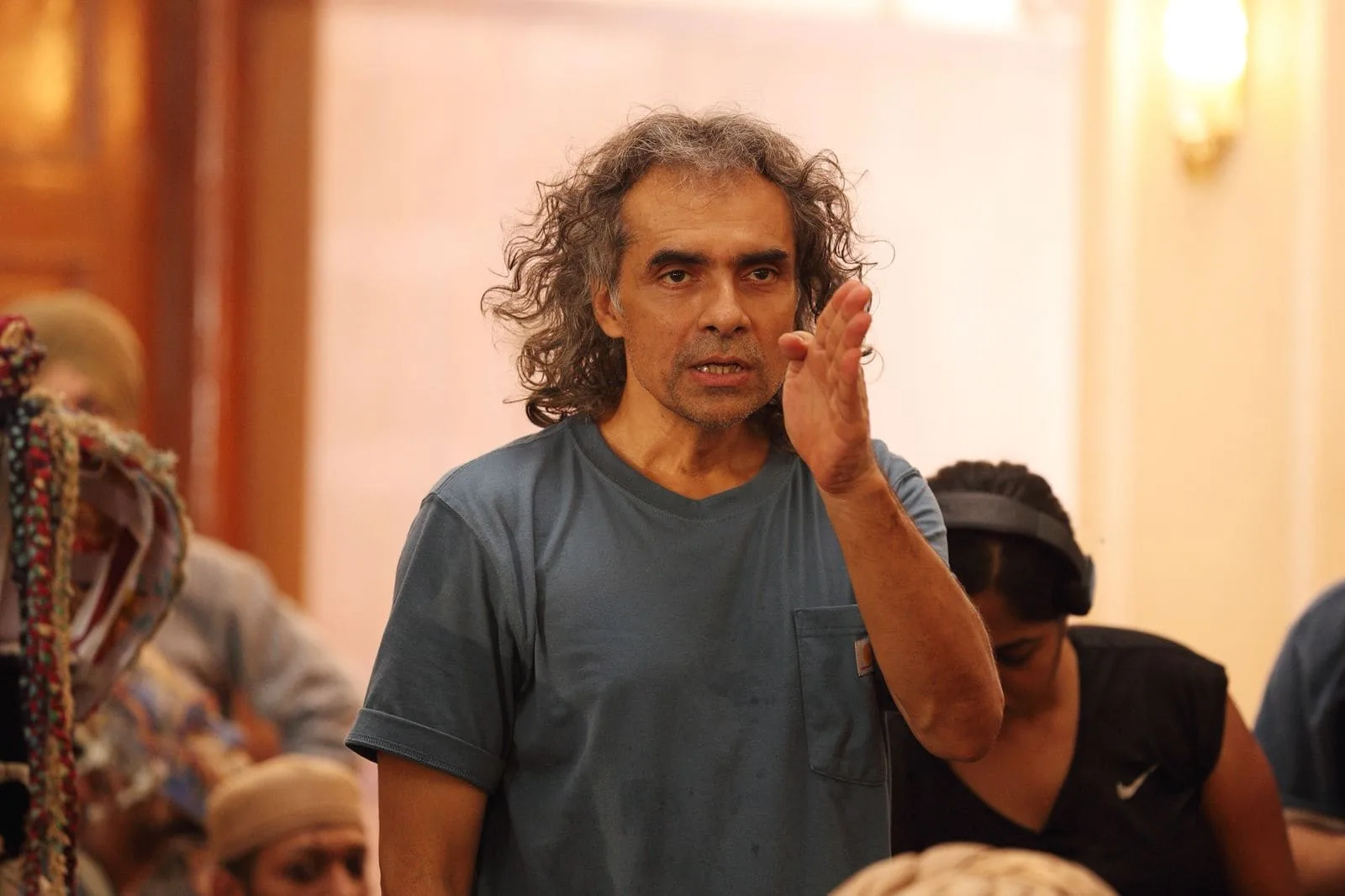

However, critics accused Imtiaz of oversimplifying a complex issue. Many social media users argued that women should have the right to decide what they wear without having their choices questioned. Some maintained that choosing to wear a burqa or observe parda can be an expression of faith, identity or personal preference rather than oppression. Others argued that questioning those choices risks undermining individual agency.
Imtiaz Ali has rarely positioned himself as a political commentator, preferring instead to focus on stories about relationships, identity and human emotions. In recent interviews surrounding Main Vaapas Aaunga, he has emphasised that he is more interested in personal narratives than overt political messaging. Nevertheless, his latest remarks have drawn attention because they touch upon issues that remain deeply sensitive in contemporary India.
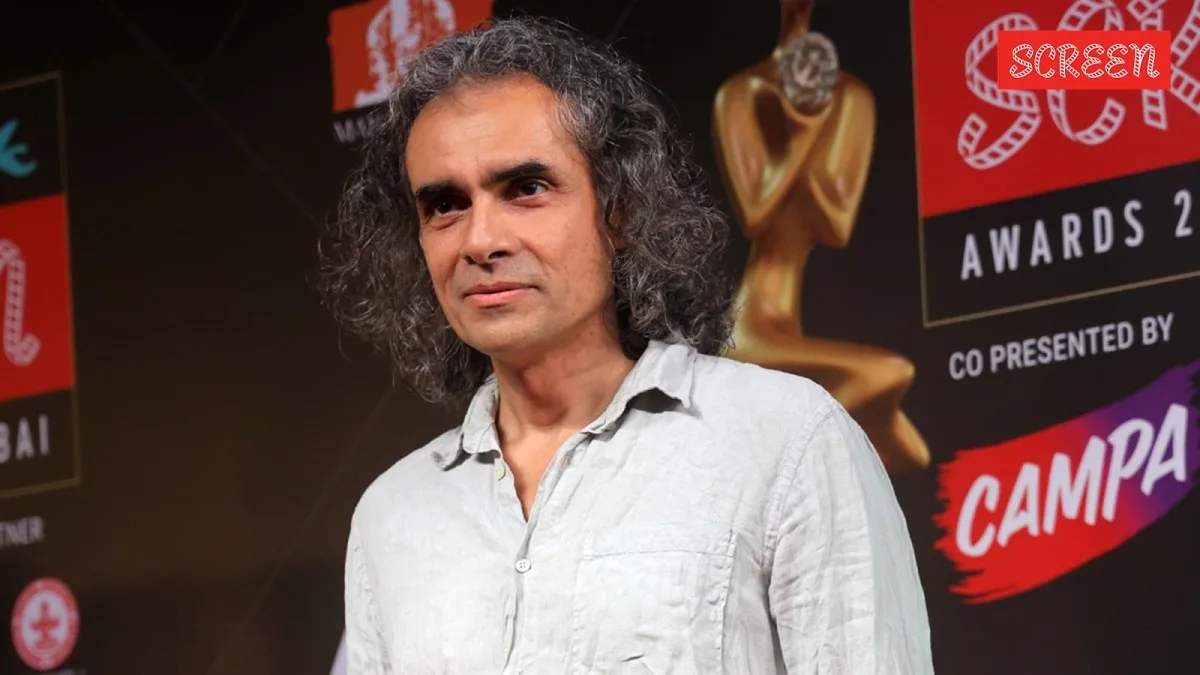

So far, Imtiaz has not issued any clarification or expanded upon his remarks beyond the original interview. However, the debate surrounding his comments continues to gain traction, with many people using the controversy to revisit larger questions about gender, religion, personal freedom and social conditioning. Whether one agrees with his position or not, the filmmaker’s remarks have succeeded in reigniting a conversation that remains both contentious and deeply relevant.