


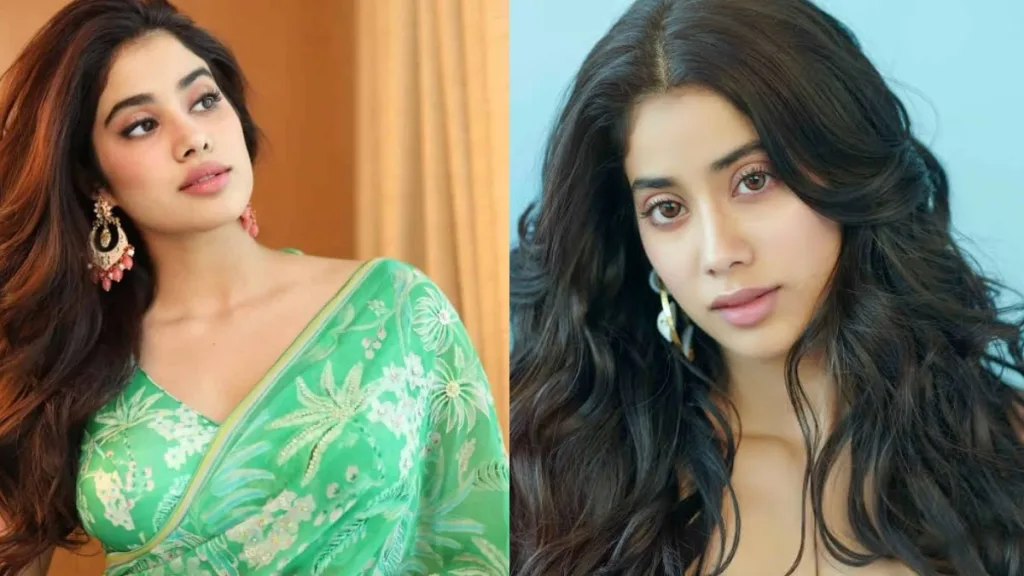
Bollywood actor Janhvi Kapoor has strongly condemned the horrific lynching of Dipu Chandra Das in Bangladesh, calling the incident “barbaric” and expressing her sorrow and solidarity with the victim’s family. Her statement has drawn widespread praise on social media, with many applauding her for speaking out decisively against violence and injustice.
The lynching of Dipu Chandra Das, a 25-year-old garment worker, took place recently in Bhaluka, in the Mymensingh district of Bangladesh after allegations surfaced that he had made derogatory remarks about a religious figure. Videos and images that circulated on social platforms showed Das being attacked by a large mob, tied to a tree and fatally beaten before being set on fire. The gruesome visuals sparked shock and outrage internationally.


In her post on social media, Janhvi used the word “barbaric” to describe the crowd violence, emphasizing that no human being should be subjected to such brutal treatment regardless of the circumstances. She reiterated that violence in any form is unacceptable and urged people to remember that differences of opinion or belief should never be met with physical harm or hatred. Her message also underscored her belief that human rights and dignity must be upheld everywhere, and that justice must be pursued through lawful and humane means, not through mob action.


Janhvi’s response came as part of a growing wave of reactions from public figures and citizens across South Asia and beyond, condemning the incident and expressing grief for the young man’s death. Her voice stood out because she is one of the prominent actors in the current generation of Bollywood artists, and her message reached millions of followers who are engaged with social justice issues online.


Many social-media users quickly reacted to Janhvi’s post with appreciation. Comments highlighted her courage for addressing a sensitive and emotionally charged topic that goes beyond entertainment industry news. Numerous users wrote that her willingness to speak up, despite potential backlash or controversy, demonstrated leadership and empathy. Some praised her for using her platform to advocate for peace and respect for human life, rather than remaining silent on a grave incident affecting vulnerable communities.


The broader conversation around the lynching has raised questions about how allegations of blasphemy or sacrilege are handled in society and the dangers of mob justice. Human rights activists and commentators have noted that such incidents reflect deep flaws in law enforcement and social mechanisms meant to protect citizens. They have stressed that credible evidence, fair investigation, and lawful proceedings must guide responses to controversial claims rather than instant vigilante reprisals.

In Bangladesh, authorities have reportedly arrested multiple suspects in connection with the case, with statements from government officials urging calm and adherence to legal processes. The Bangladeshi government condemned the violence and has said that those responsible will face the full weight of the law. Civil society groups on both sides of the border have called for justice for Das and for protective measures to prevent similar incidents in the future.
Her condemnation has also sparked renewed discussions on how celebrities and influencers can responsibly engage with social issues. Some viewers believe that statements like Janhvi’s, when delivered thoughtfully and with compassion, can help amplify awareness and inspire broader public engagement in conversations about justice, tolerance and human rights. Others noted the importance of supporting such voices with substantive dialogue and policy advocacy rather than reducing the message to a moment of digital applause.
In her message, Janhvi reiterated the importance of empathy, compassion and respect. These values, she suggested, are essential not only for artists and public figures, but for all members of society who wish to build peaceful communities. Her response to the lynching has been embraced by many as a meaningful demonstration of celebrity influence being used to champion humanitarian concerns, and as a reminder that speaking out against brutality remains vital, regardless of where it occurs.