


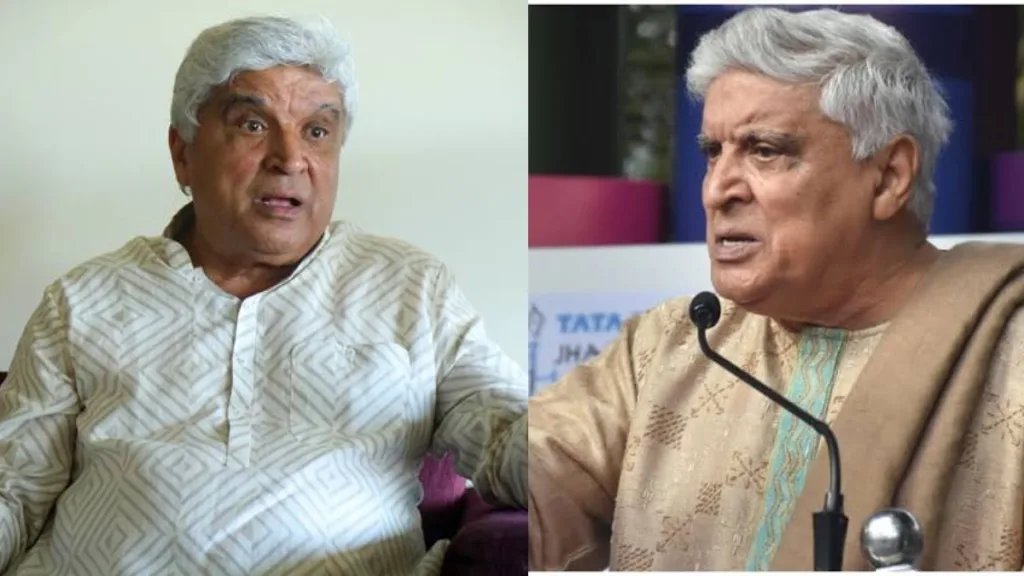
Veteran lyricist and screenwriter Javed Akhtar has sparked a fresh debate over citizenship documentation after criticising the Ministry of External Affairs’ (MEA) recent clarification that an Indian passport is primarily a travel document and not proof of citizenship. Calling the ministry’s position “absurd”, Akhtar questioned how passports could be issued if authorities were not already convinced that an applicant was an Indian citizen.
The controversy began after the MEA, during the 14th Passport Seva Divas celebrations, clarified that an Indian passport facilitates international travel and establishes the holder’s identity and nationality abroad, but should not, by itself, be treated as a legal document proving citizenship. The ministry explained that passports are issued to Indian citizens after due verification, but their primary legal purpose is as travel documents rather than conclusive proof of citizenship.
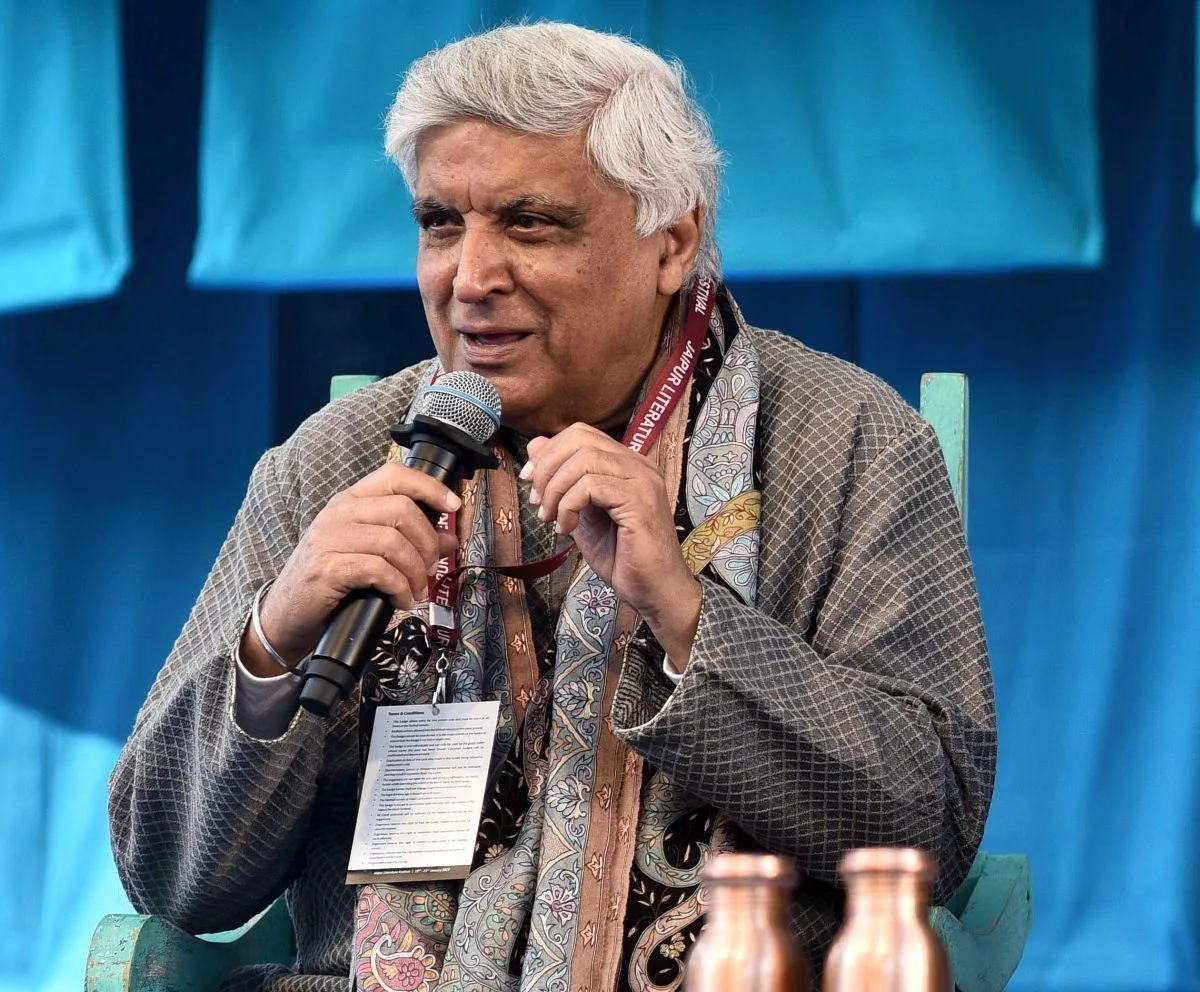

Reacting to the clarification on X, Akhtar expressed disbelief over the ministry’s position. In his post, the 81-year-old writer questioned whether passports were being issued without officials first satisfying themselves that an individual was an Indian citizen. He described the government’s explanation as contradictory and termed it “absurd”.
His remarks quickly gained traction on social media, where users began debating what documents actually establish Indian citizenship if a passport is not considered conclusive proof. Many pointed out that Aadhaar cards, voter identity cards and PAN cards have also previously been described by authorities and courts as identity documents rather than definitive proof of citizenship.
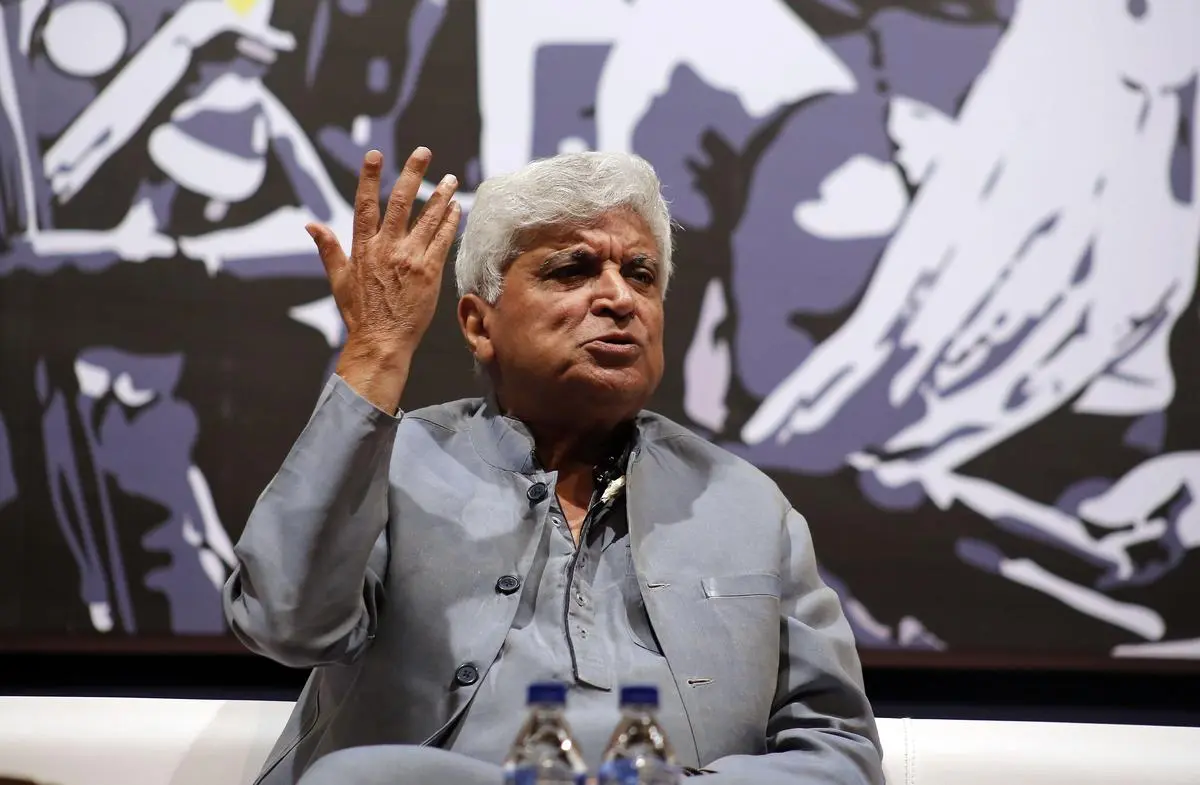

Akhtar did not stop with his initial criticism. When one social media user reminded him that Aadhaar, voter ID and PAN cards are also not regarded as proof of citizenship, the lyricist questioned how authorities distinguish genuine citizens from illegal immigrants if none of these commonly used documents qualifies as conclusive evidence. He suggested that such uncertainty could leave decisions vulnerable to arbitrary interpretation by lower-level officials.
The MEA’s clarification has emerged against the backdrop of a wider national discussion on citizenship documents. Earlier this year, the Supreme Court observed during hearings related to the Election Commission’s Special Intensive Revision of electoral rolls that Aadhaar serves only as proof of identity and not proof of citizenship. The government has also previously clarified that PAN cards and voter identity cards cannot independently establish citizenship status.

Officials have maintained that passports continue to be issued only after extensive verification procedures. According to the ministry, the clarification was intended to explain the legal purpose of passports rather than suggest that non-citizens could obtain them. The MEA also highlighted the expansion of chip-based biometric e-passports under the revamped Passport Seva Programme, saying nearly 14.7 million such passports have already been issued.
Akhtar’s comments also prompted reactions from political leaders and public figures. Shiv Sena (UBT) leader Aaditya Thackeray similarly questioned the government’s position, asking what exactly police verify before issuing passports and whether the statement could create confusion internationally regarding the credibility of Indian passports. Other commentators echoed similar concerns online, with many asking the government to clearly identify what constitutes definitive proof of Indian citizenship.
Known for his outspoken views on political and social issues, Akhtar has frequently used social media to comment on matters of public policy. His latest remarks have once again placed him at the centre of a national debate, with supporters arguing that he has highlighted an apparent contradiction, while others contend that the ministry was merely explaining the legal distinction between a travel document and formal evidence of citizenship.