



Actor Jim Sarbh believes Indian audiences often underestimate the value of their own films while readily celebrating international cinema for qualities that are criticised when seen in Indian productions. Speaking during promotions for Made in India: A Titan Story, the actor reflected on long-standing perceptions surrounding Indian cinema and argued that many viewers continue to judge local films through a lens shaped by colonial hangovers and outdated assumptions.
According to Sarbh, one of the most common criticisms directed at Indian films revolves around song-and-dance sequences and longer runtimes. He questioned why these elements are frequently treated as weaknesses when they have historically been integral to the country’s storytelling traditions. The actor suggested that audiences often overlook the cultural significance of these cinematic devices while embracing similar creative liberties in foreign productions.
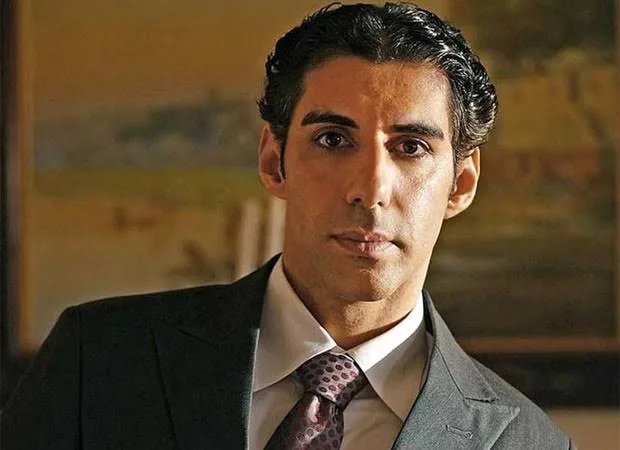

Sarbh said Indian cinema has developed its own unique language over decades, blending drama, music, emotion and spectacle in ways that differ from Western filmmaking traditions. Rather than seeing those distinctions as shortcomings, he believes audiences should recognise them as strengths that have helped Indian films build a distinct identity across the world.
The actor argued that people are often too quick to compare Indian films with Hollywood productions while ignoring the vastly different cultural contexts in which they are made. According to him, song sequences and heightened emotional storytelling emerged from local traditions and audience expectations rather than attempts to imitate global cinema.


While discussing storytelling, Sarbh noted that Indian filmmakers frequently face criticism for making films that reflect local tastes and traditions. He suggested that many viewers have internalised the idea that Western filmmaking styles represent a universal standard, leading them to dismiss elements that are uniquely Indian.
The actor pointed out that cinema around the world reflects the societies from which it emerges. Just as American films have developed their own conventions and genres, Indian films have evolved their own narrative techniques. He argued that judging one tradition solely through the standards of another often results in unfair comparisons.
Sarbh also highlighted how international audiences have increasingly embraced Indian storytelling in recent years. Films and series from India have found viewers across continents, while songs, dance sequences and emotionally driven narratives have become important parts of the country’s cultural exports.
However, Sarbh believes domestic attitudes have not always kept pace with that success. According to him, many Indians remain hesitant to celebrate aspects of their own cinema that are widely appreciated elsewhere. He suggested that there is often a tendency to regard foreign filmmaking techniques as inherently superior, even when Indian productions successfully connect with millions of viewers.


The actor stressed that appreciating Indian cinema does not mean ignoring its flaws. Instead, he argued for a more balanced perspective that recognises both strengths and weaknesses without automatically favouring international productions.
Over the years, Sarbh has built a reputation for choosing unconventional roles in projects such as Neerja, Padmaavat, Rocket Boys and Made in Heaven. Known for his candid opinions, the actor has frequently spoken about creativity, storytelling and the evolution of Indian entertainment.


His latest remarks have resonated with many social media users who agreed that Indian cinema is often judged more harshly by domestic audiences than by international viewers. Others pointed out that song-and-dance sequences remain one of the defining features that distinguish Indian films from other cinematic traditions.