


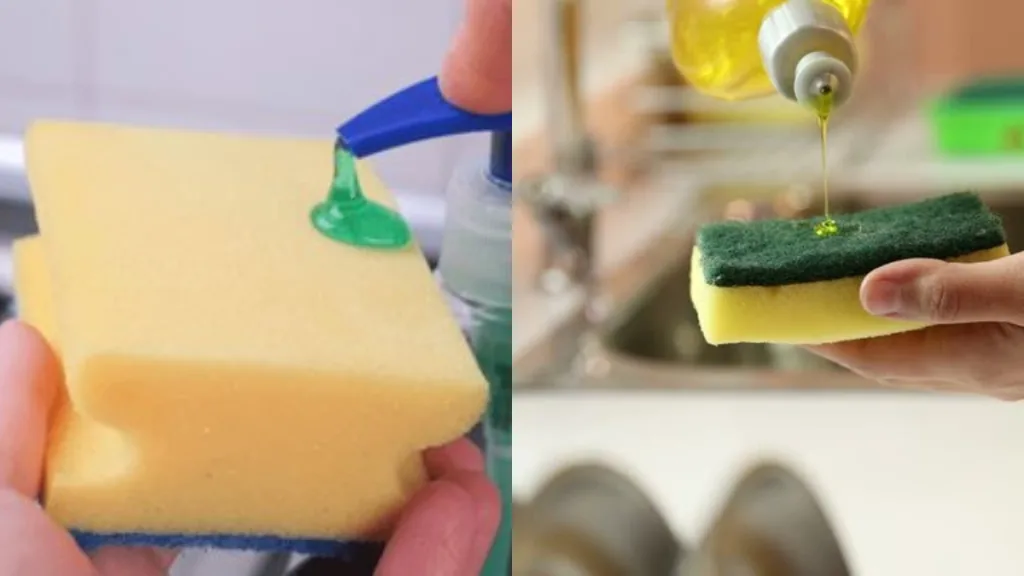
Dishwashing liquids, a daily-use kitchen essential in most households, have come under scrutiny after a Mumbai-based orthopaedic surgeon warned about their potential health risks. The concerns were highlighted by Dr Manan Vora, who described dishwash liquids as possibly “the most toxic product” in the kitchen in a recent social media post.
According to the doctor, many commonly used dishwashing liquids contain chemicals known as isothiazolinones. These compounds are synthetic preservatives and biocides used to prevent microbial growth in cleaning products. However, studies have identified them as strong skin sensitisers that may trigger allergic reactions and contact dermatitis in some individuals.
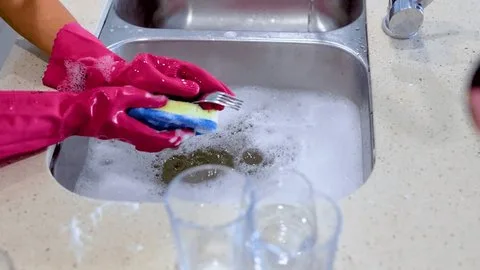

Dr Vora stated that regular exposure to such chemicals, especially through repeated use, could pose risks, particularly for individuals with sensitive skin. He also pointed out that certain regulatory studies have raised concerns about the potential endocrine-disrupting effects of ingredients found in some dishwashing products.
Another issue flagged in the warning relates to accidental ingestion. The doctor noted that there have been documented cases where children consumed concentrated dishwashing liquid and suffered internal mucosal injuries. This has raised concerns about the accessibility and storage of such products in households with young children.


A key point highlighted in the advisory is the possibility of residue remaining on utensils even after rinsing. Dr Vora said dishwashing liquids may not always wash off completely, leaving behind trace amounts of chemicals on plates, bowls and cutlery. These residues, though minimal, may be ingested over time through food consumption.
Experts have previously noted that household cleaning products often contain a mix of chemicals, including preservatives, fragrances and foaming agents, which may cause skin irritation or allergic reactions in some cases. In addition, certain compounds used in cleaning agents have been linked to environmental concerns and potential long-term health effects.
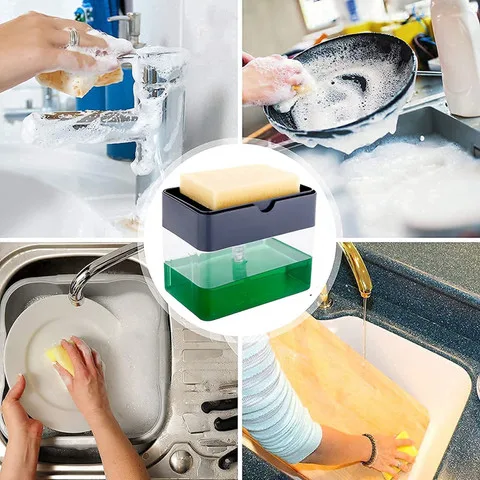

In light of these concerns, the doctor suggested switching to alternatives that use plant-based surfactants and natural bio-enzymes. Such products are designed to break down grease effectively while reducing exposure to harsh synthetic chemicals.
He added that reducing unnecessary chemical exposure, even through small changes in daily household products, could be a practical step for families, especially those with children and pets.