


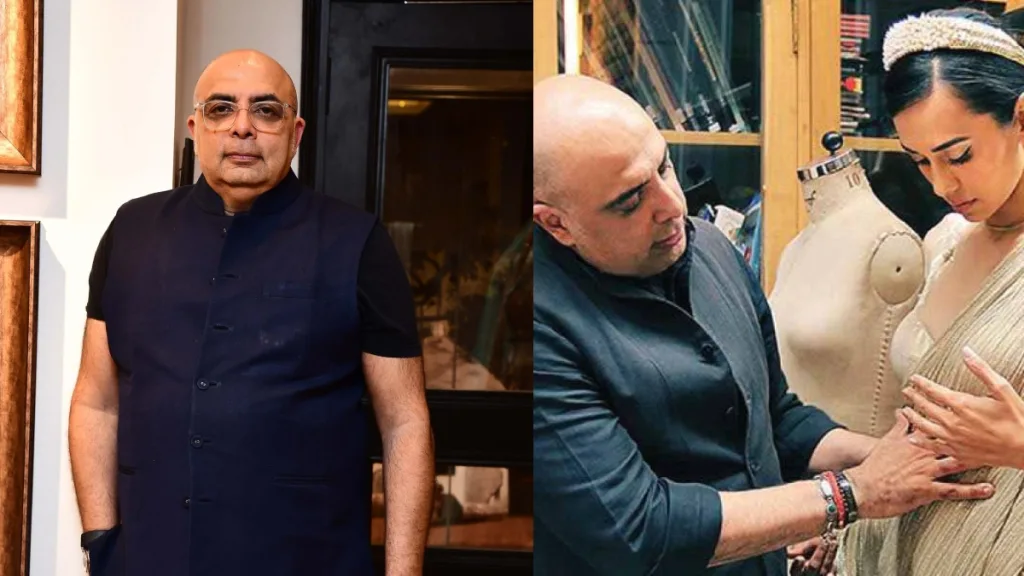
Tarun Tahiliani has shared a candid perspective on modern Indian weddings, highlighting what he believes brides and families often get wrong in their pursuit of perfection. The veteran designer, known for shaping contemporary Indian couture, spoke about changing wedding trends and the increasing pressure driven by social expectations, celebrity culture, and social media aesthetics.
Indian weddings have traditionally been elaborate celebrations, but according to Tahiliani, they have increasingly transformed into large-scale displays of wealth and visual spectacle. He observed that many families now prioritise decor, heavy outfits, and extravagant jewellery over the emotional significance of the occasion. In his view, weddings today often revolve around creating Instagram-worthy moments rather than focusing on the comfort and individuality of the bride.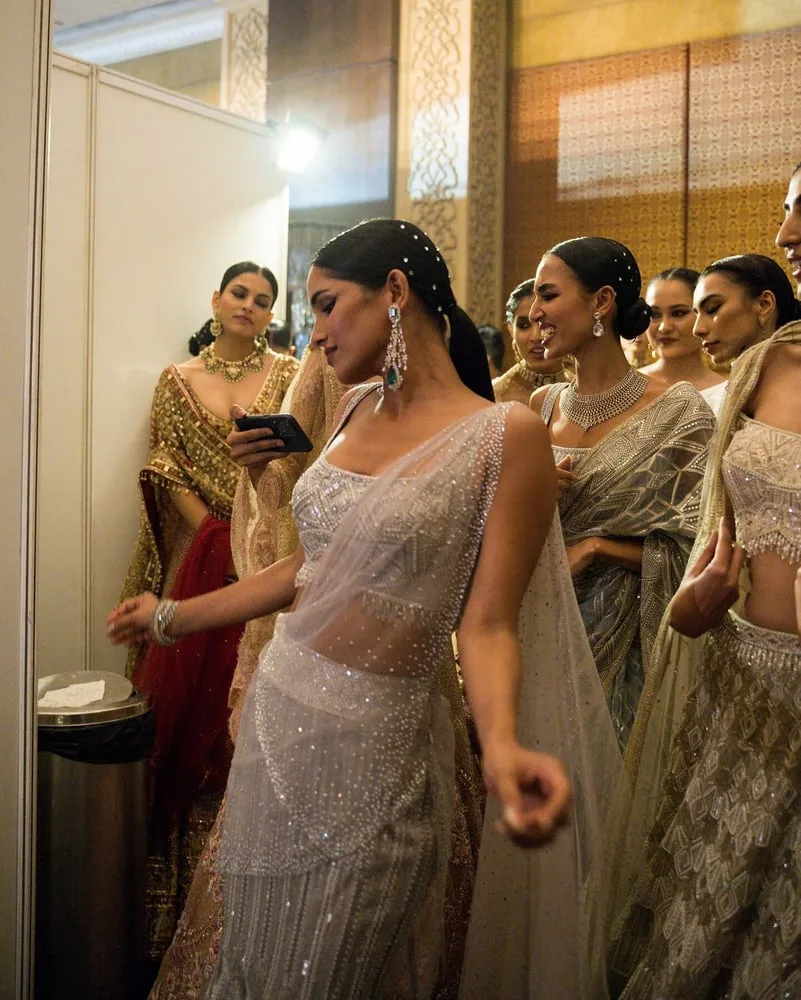

During a recent conversation, Tahiliani remarked that he feels confused by what Indian weddings have become, suggesting that the industry has shifted from personal storytelling to competitive dressing. He noted that many clients express anxiety about looking less dressed than their guests, revealing how comparison culture shapes bridal decisions. The designer pointed out that this mindset results in increasingly heavier and more uncomfortable clothing choices, with people often sacrificing practicality for visual impact.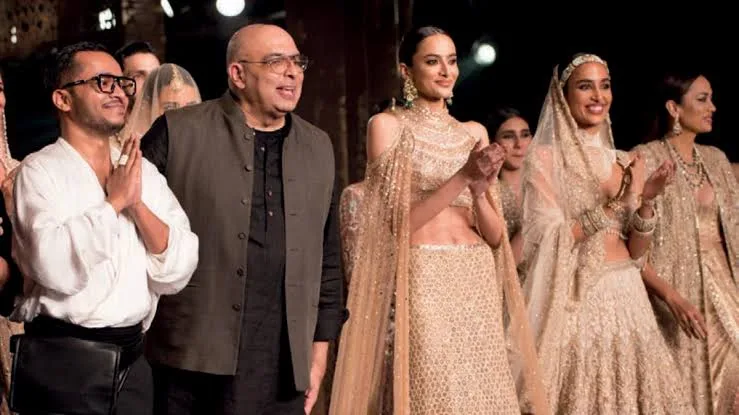

He described Indian weddings as resembling fairs or “melas,” where the focus can shift from meaningful rituals to excess. According to Tahiliani, the pressure is partly fuelled by Bollywood imagery and large family expectations, which set unrealistic benchmarks for grandeur. He believes this trend has created a stressful environment for brides who feel compelled to meet external standards rather than embrace their own style and personality.
One of his major critiques relates to comfort. Weddings often involve long ceremonies lasting several hours, yet brides choose heavy lehengas, elaborate trails, and restrictive silhouettes that make it difficult to move or enjoy the day. Tahiliani advised brides to consider practical alternatives, such as integrating comfortable elements into their outfits without compromising elegance. He mentioned innovative styling approaches, including transforming lehengas into palazzos or versatile ensembles that allow greater mobility while maintaining aesthetic appeal.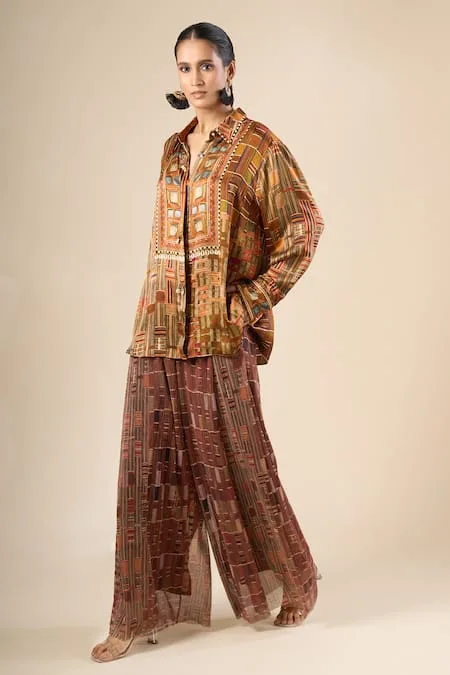

Despite his criticism, Tahiliani acknowledged that modern brides are also doing many things right. He praised the shift toward independence and self-expression, noting that today’s brides are often highly educated and more involved in deciding how they want to present themselves. Unlike earlier generations that followed family instructions strictly, many brides now dress for themselves and prioritise personal identity over tradition alone.
However, he warned that exposure to multiple fashion sources, including influencers and celebrity weddings, can lead to confusion. Brides sometimes try to emulate too many trends simultaneously, which may dilute authenticity. According to him, the most beautiful bridal look comes from confidence and comfort rather than the number of designer labels or layers of jewellery involved.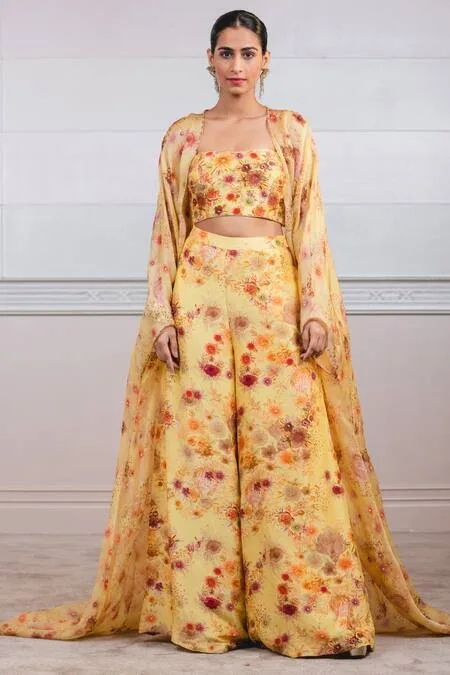
The designer also emphasised sustainability and long-term value. Through initiatives encouraging the repurposing of bridal wear, he advocates for mindful consumption rather than one-time outfits that remain unused after the wedding. This reflects a broader shift in fashion toward conscious choices, even within luxury bridal markets.