


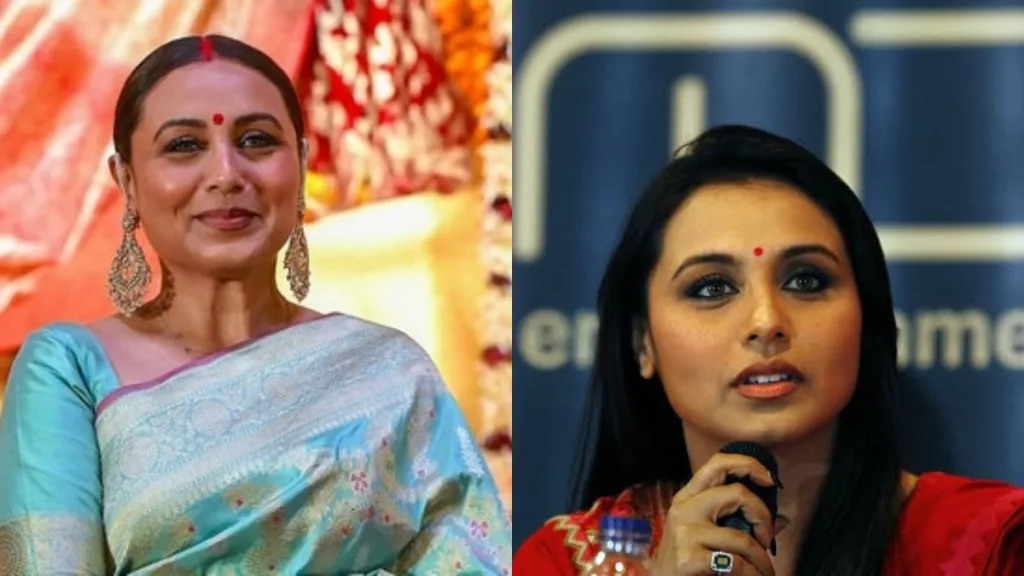
Actor Rani Mukerji has found herself at the centre of a social-media debate after a remark she made about wives and their role in speaking up about their husbands sparked a wave of backlash online. The comment, shared amid discussions about her husband Aditya Chopra and her own film Mardaani, has prompted mixed reactions from followers and commentators, many of whom criticised her stance as outdated or ill-advised.
The controversy began when Rani was asked in an interview about whether wives should raise their voices in personal relationships when something is wrong. In her response, she was interpreted as suggesting that it is better for wives to avoid confrontation or public airing of private issues, especially with regard to their husbands. While she did not directly name Aditya Chopra, whom she married in 2014 and with whom she has maintained a notably private personal life, viewers quickly connected her general comment to her own marriage.
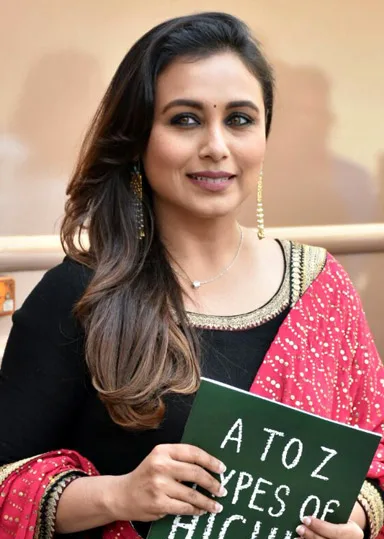

Rani’s response drew swift attention on platforms such as Instagram, Twitter and Facebook, where users shared clips and quotes from the interview. Many social-media users criticised her for appearing to endorse a traditional or conservative view that women should tolerate issues without openly addressing them. Comments included phrases such as “why should women stay silent?” and “strong women speak up,” reflecting a sentiment that many felt Rani’s original comment did not adequately support.
Fans of Rani Mukerji and some commentators attempted to defend her, arguing that her words were taken out of context or misinterpreted. Supporters pointed out that she is known for her nuanced roles and strong female characters on screen, and they suggested that her personal view may have been oversimplified in clips shared online. Some urged critics to consider the full interview rather than drawing conclusions from isolated lines.
The actor’s recent work in Mardaani, a film about a fierce law-enforcement officer fighting crime, was also referenced in the debate. Mardaani and its sequel have been praised for presenting a tough, independent female protagonist who refuses to back down in the face of danger. Many saw the film’s themes as at odds with what they perceived as Rani’s comment about personal relationships, fuelling further discussion about public expectations of female celebrities and their private beliefs.
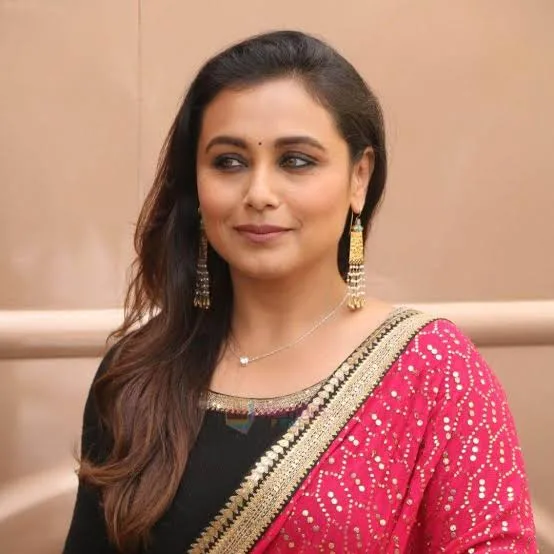

The backlash highlights how closely audiences scrutinise statements from public figures, particularly when those statements touch on gender roles and relationships. In India’s evolving social landscape, many viewers have strong opinions about how women should navigate personal and professional spheres, and Rani’s comment tapped into ongoing conversations about equality, empowerment and communication within marriages.
Some commentators drew a distinction between personal advice and public statements, noting that how couples choose to handle disagreements in private should not necessarily be a template for everyone. Others argued that celebrities, given their influence, have a responsibility to frame comments on sensitive topics in ways that avoid reinforcing stereotypes or outdated norms.
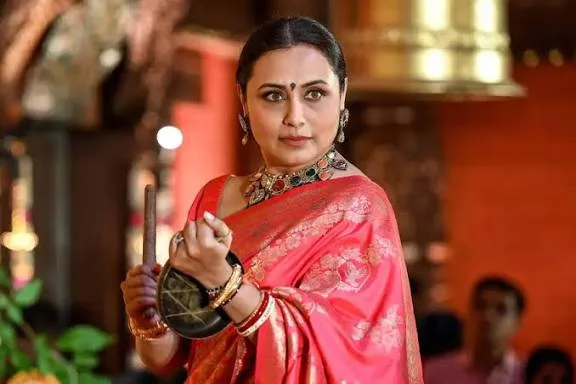

While Rani Mukerji has not issued a follow-up clarification or formal apology in response to the backlash, the discussion has continued across social platforms, with users debating the broader issue of whether wives should raise their voices in relationships and how gender dynamics play out in both personal and public contexts.