
 Snehashish roy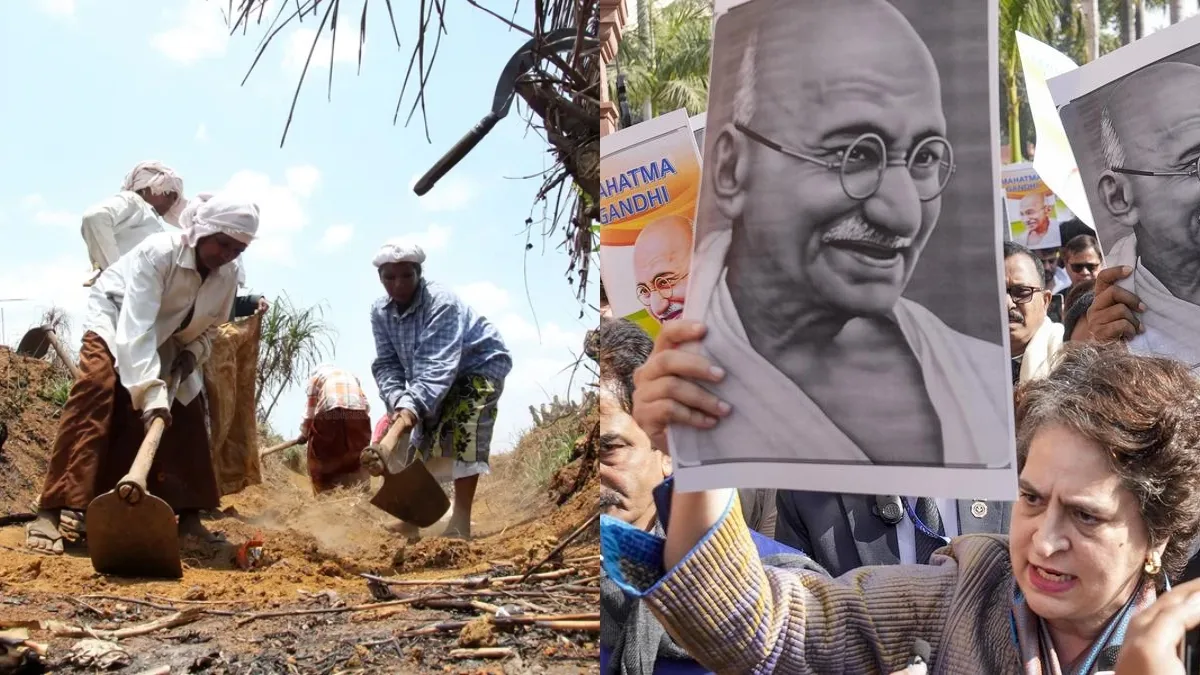
The Centre’s push to replace the Mahatma Gandhi National Rural Employment Guarantee Act (MGNREGA) with a new law, the Viksit Bharat Guarantee for Rozgar and Ajeevika Mission (Gramin) Bill, 2025 (VB-G RAM G), has sparked fierce debate in Parliament and across political lines. Opposition parties have framed the move as a direct threat to rural livelihoods and an erosion of legal rights. But beyond the political rhetoric lies a substantive policy shift that raises important questions about rural employment, institutional design and fiscal federalism.
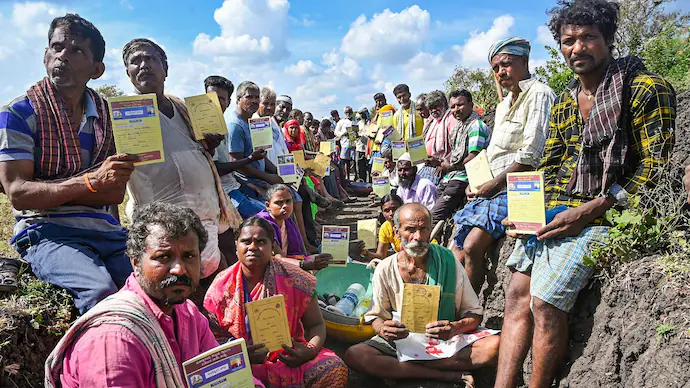
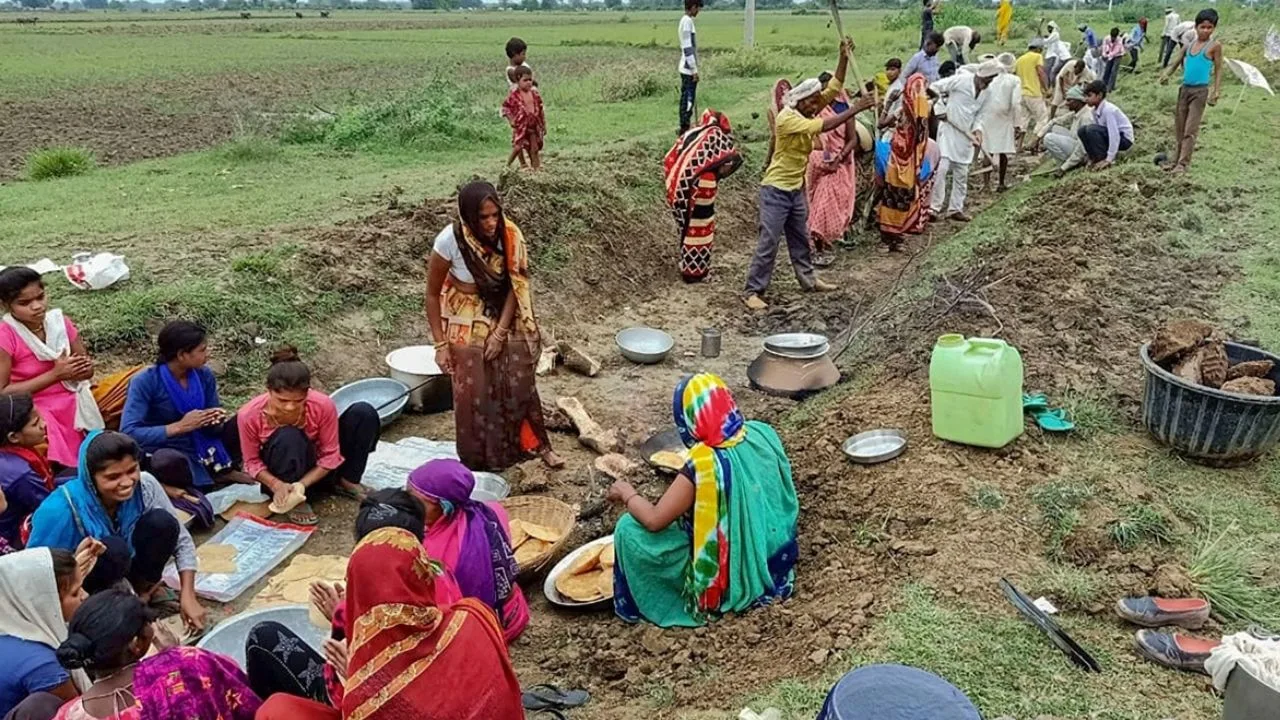
MGNREGA, enacted in 2005, was groundbreaking in giving rural households a legal right to demand up to 100 days of unskilled work per year, backed by statutory obligations for timely payment. It was rights-based and demand-driven: any eligible rural household could apply for work, and the state was obligated to provide it. This design made it a powerful social safety net, credited with poverty alleviation, reducing distress migration and providing livelihood security to millions.
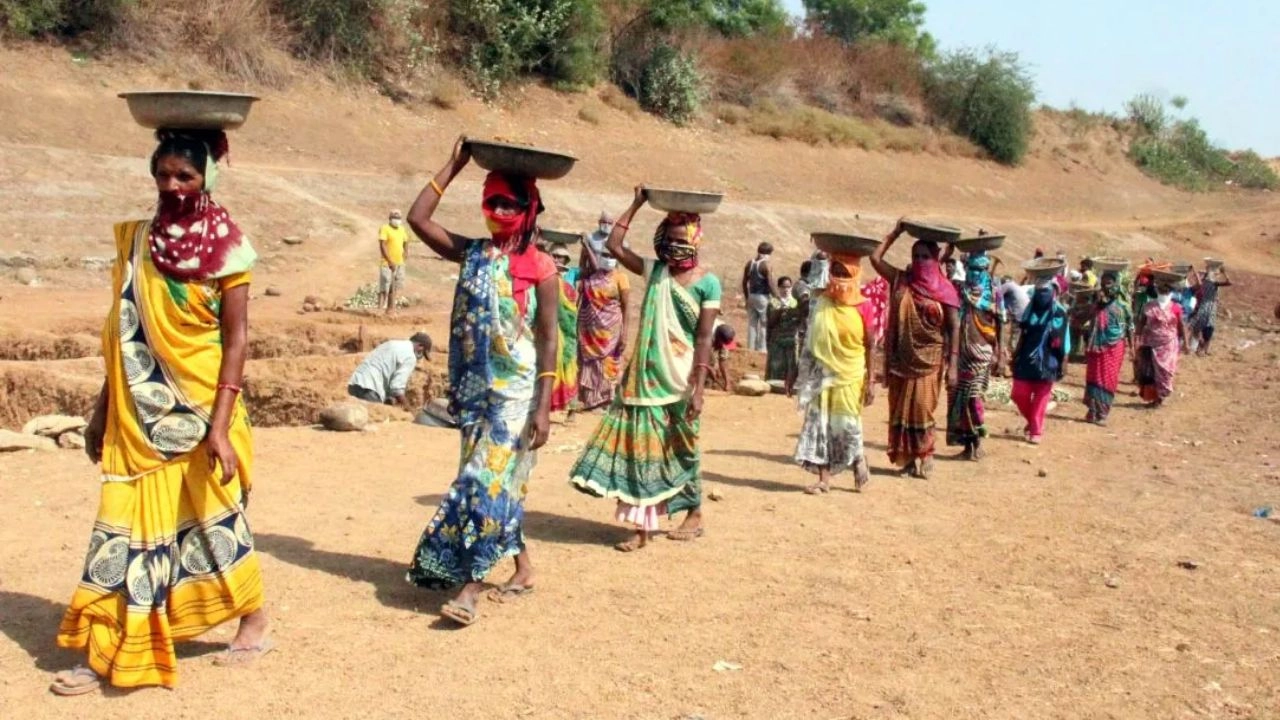
Critics, however, point to persistent implementation challenges. Wage payments are often delayed due to administrative and banking glitches, even though mandated compensation for delays exists. There are allegations of leakage, ghost beneficiaries and corruption in work allocation, and the quality of assets created under the scheme varies widely. Some economists have also argued that the scheme is not cost-efficient, and that rising rural incomes and structural change require a more modern design.
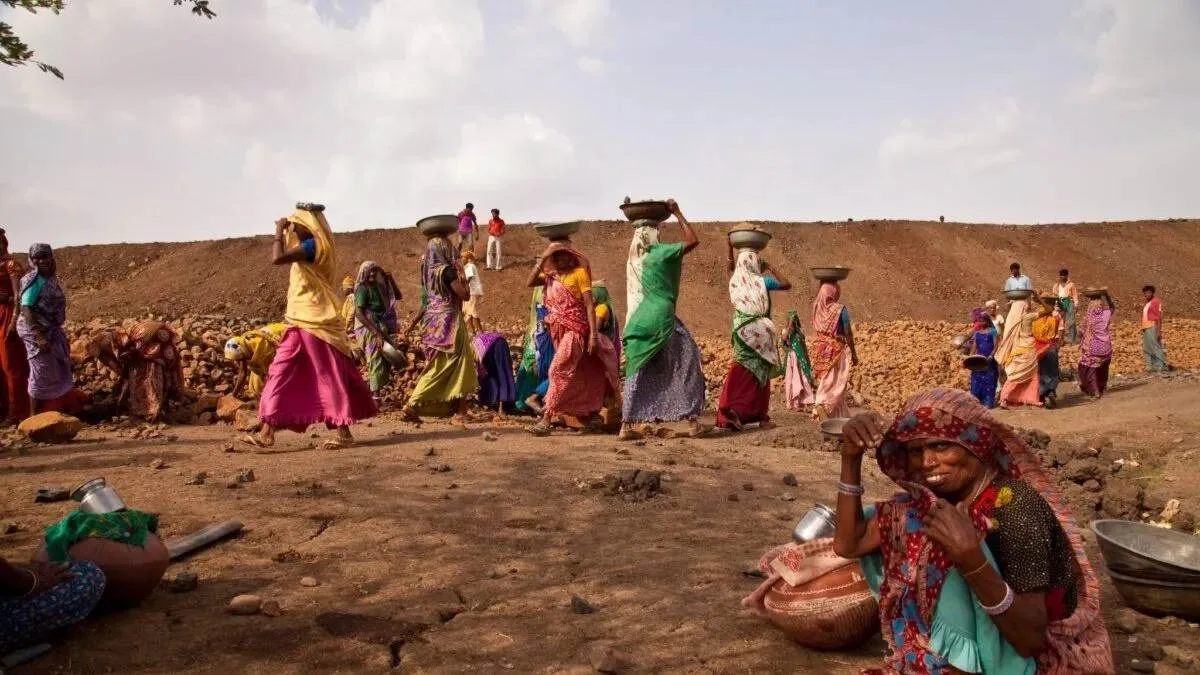
The government’s proposed VB-G RAM G bill reflects this narrative of modernisation. The new framework increases guaranteed workdays from 100 to 125, but it shifts from a pure legal guarantee to a centrally sponsored scheme with conditional entitlements based on planned work approved by gram panchayats and increasing central oversight. It also introduces a seasonal pause during peak sowing and harvesting months, intended to ensure agricultural labour availability, a key concern for rural economies.
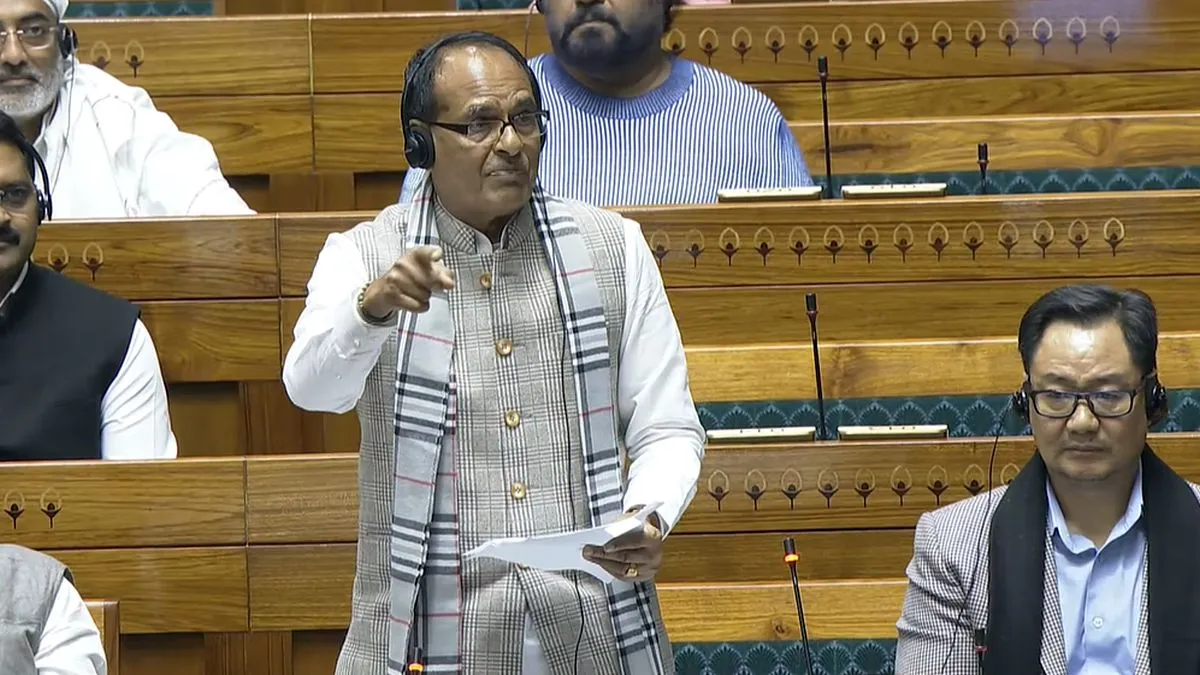
While the changes aim for efficiency and alignment with long-term rural infrastructure and climate goals, the Opposition warns they undercut the core strength of MGNREGA: the right to work and local autonomy. A rights-based, demand-driven scheme gave labourers agency to seek work when they needed it. Under VB-G RAM G, work allocation depends on predetermined village plans and central approvals, which could dilute immediate responsiveness to worker demand.
Fiscal federalism is another flashpoint. Under MGNREGA, the Centre largely funded wage costs. The new bill proposes a 60:40 cost-sharing formula between the Centre and states. Critics argue this places a greater financial burden on states, especially those with tight budgets, potentially limiting their ability to ensure work for rural households.
The symbolic change, removing Mahatma Gandhi’s name, has also become a political lightning rod. Opposition leaders describe it as erasing Gandhi’s legacy and undermining the scheme’s historical ethos. Though symbolic, such changes affect public perception about the state’s commitment to rural welfare.
So, is the new scheme “problematic” as the Opposition claims? The real challenge is less about politics and more about substance and implementation. Transitioning from a legal entitlement to a centrally structured, plan-driven scheme alters the nature of rural work security. It could improve planning and asset creation, but it also risks reducing labourer control and city-centric decision-making. States may face funding strain, and village autonomy could decrease.
The Opposition’s criticism taps into legitimate structural concerns, but it is also shaped by political optics, especially concerning legacy and nomenclature. The core question now is whether the government can safeguard worker rights, ensure predictable employment and uphold federal balance, even as it modernises the scheme for a changing rural economy.
In short, the shift addresses some real constraints of MGNREGA but introduces new risks. If poorly implemented, those risks could outweigh the intended benefits, a challenge that rests not only with lawmakers but with the effectiveness of ground-level governance once the new law takes effect.