


Veteran columnist and author Shobhaa De has sparked fresh discussion in the entertainment world by claiming that Bollywood icon Hema Malini was sidelined by her late husband Dharamendra’s family in the period after his death and suggesting that the experience must have been deeply painful for her. De’s comments have reignited debates about family dynamics within Bollywood’s most prominent film families and the emotional toll of personal loss in the public eye.
Dharamendra, who passed away recently at the age of 88, had been one of Indian cinema’s most beloved figures for decades. His marriage to Hema Malini, herself a celebrated actor and public figure, was widely regarded as one of Bollywood’s enduring partnerships. Yet, in a recent conversation, De hinted that after his death, Malini did not receive the support and warmth one might expect from extended family and close circles.
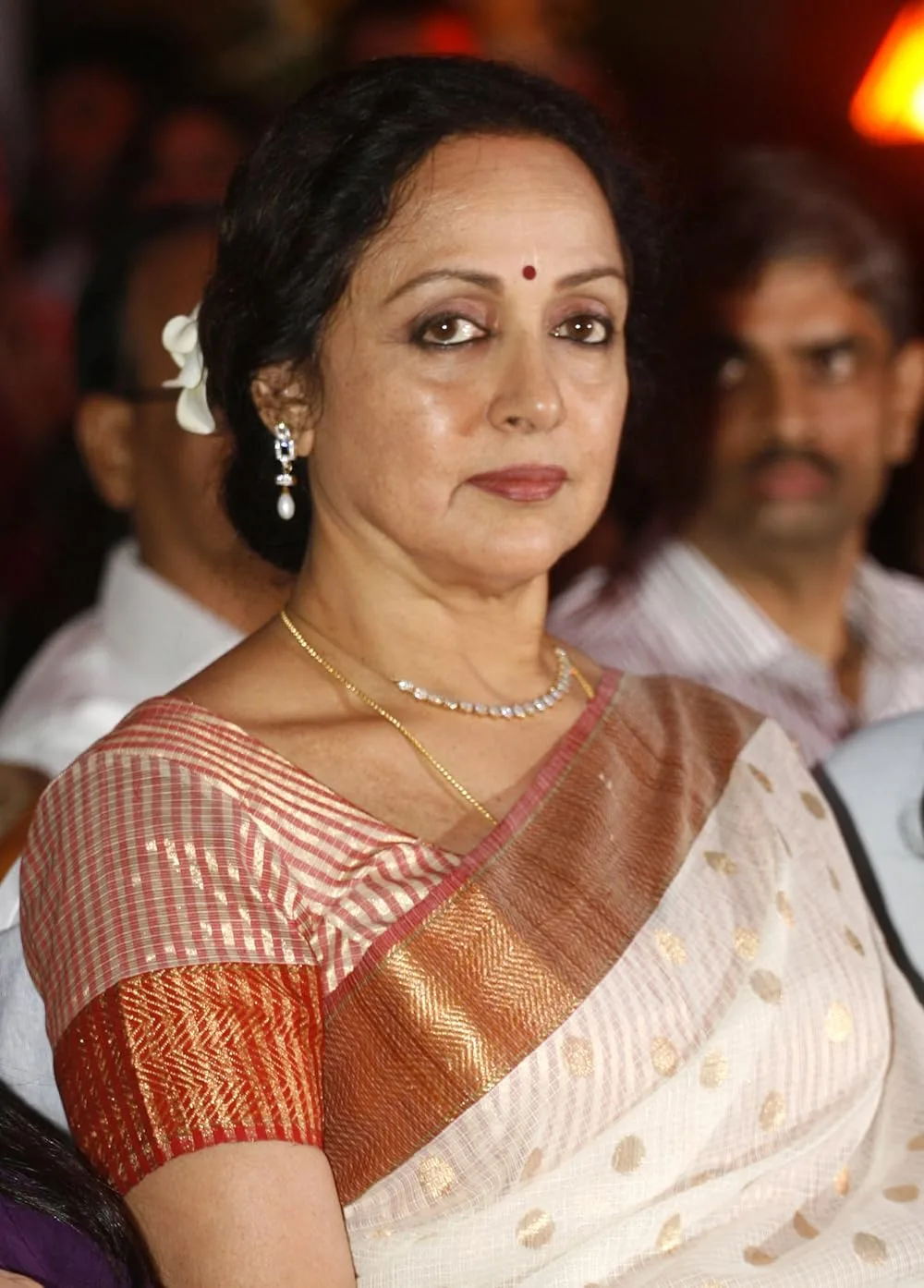

De, known for her candid takes on celebrity life and popular culture, spoke empathetically about the emotional impact that feeling marginalised can have, particularly after losing a spouse. In her words, the sidelining of Hema Malini by Dharamendra’s family “must have hurt terribly,” not only as a personal affront but also as a rupture in the network of care and belonging that families traditionally offer during grief.
The comments have drawn both support and criticism. Some fans and commentators have noted that the dynamics of celebrity families are complicated and often private, arguing that speculation from the outside can oversimplify personal relationships. Others, however, see De’s remarks as a necessary spotlight on how women’s emotional labour and personal grief can be overlooked, even when they are powerful public figures themselves.


Malini, who has also served as a Member of Parliament and remains an influential cultural figure, has not publicly responded to De’s remarks as of this writing. Her public focus in recent weeks has been on memorialising her husband and managing the legacy of an immensely impactful life in cinema. The absence of a statement has added to curiosity around the subject, though insiders emphasise that not every personal loss needs airing in public forums.
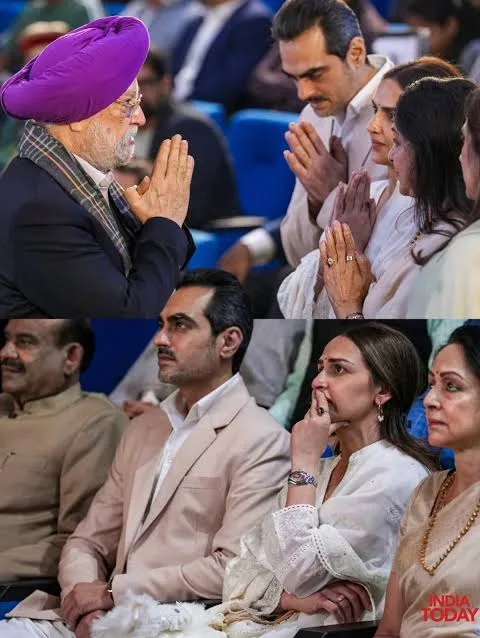

Shobhaa De’s intervention reflects a broader conversation about how women navigate loss, power and position within familial and professional hierarchies. Historically, Bollywood has romanticised celebrity families and portrayals of marital bliss, while paying less attention to the realities of grief, shifting alliances and emotional labour when the spotlight moves on. De’s comments bring this dynamic into sharper relief, insisting that even icons like Hema Malini are not immune to the pain of marginalisation.
Critics of De’s position argue that it risks feeding into sensationalism and unverified narratives. They caution that public commentary on private family matters, especially in the context of mourning, can exacerbate pain rather than soothe it. Supporters counter that raising questions about emotional equity and familial support is essential, especially when public figures often serve as silent role models for audiences.
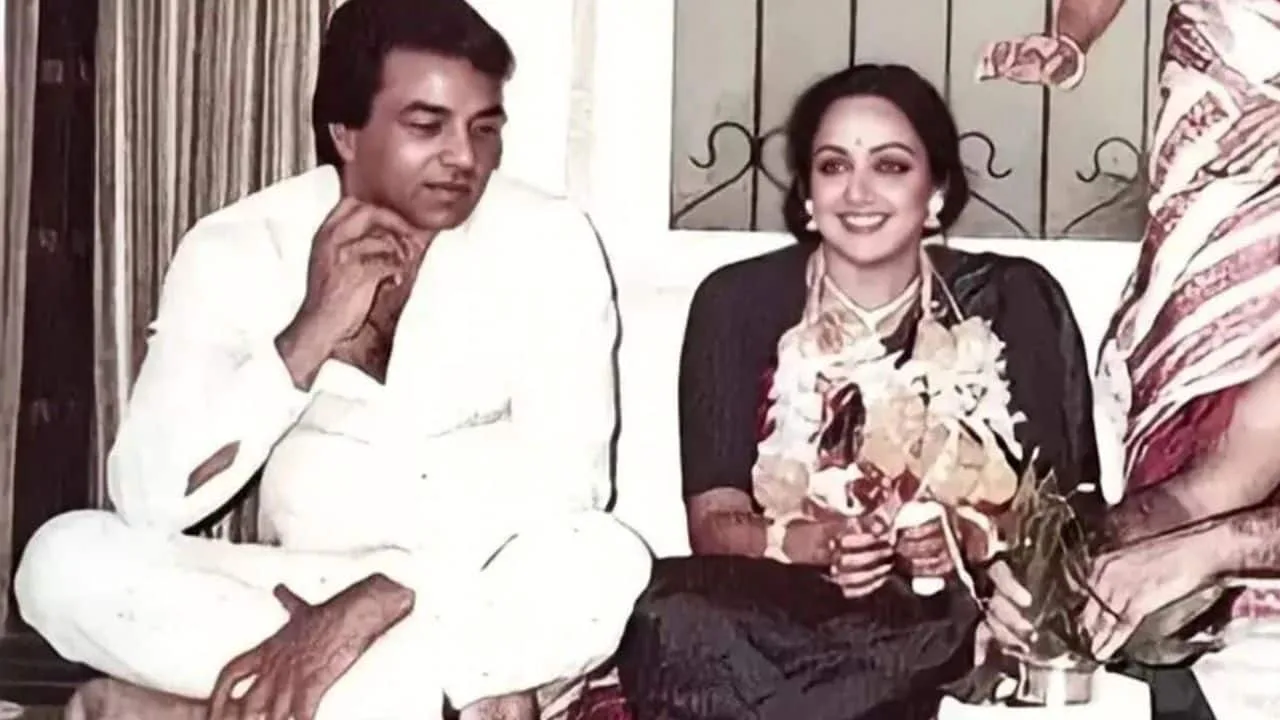

Hema Malini’s decades-long career, marked by iconic roles and political engagement, stands on its own merits, while Dharamendra’s legacy continues to be celebrated by fans and peers alike.