


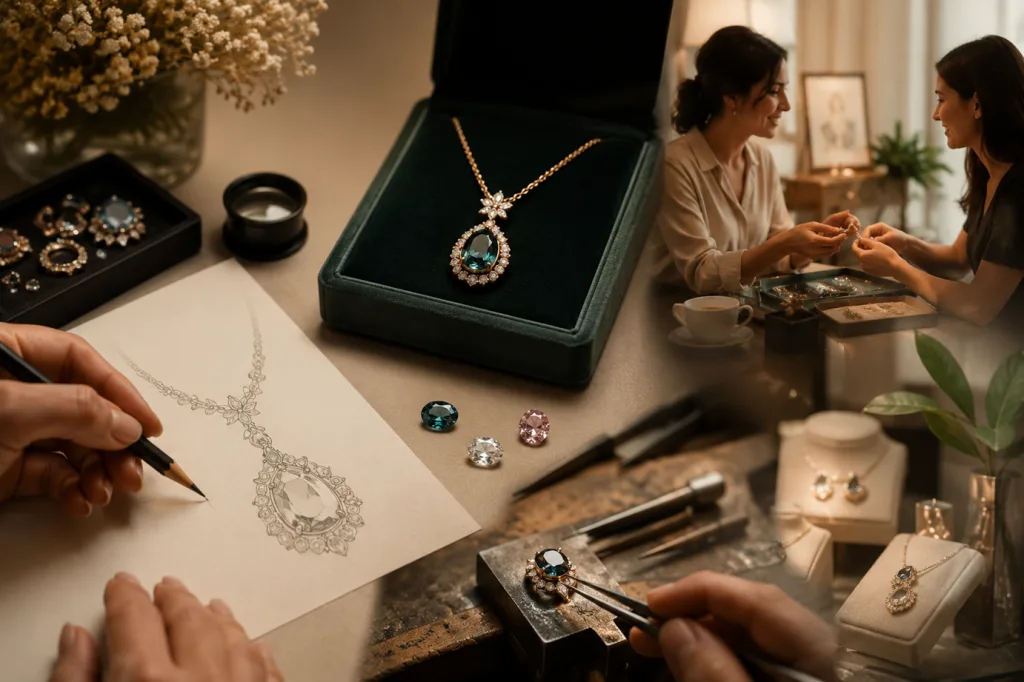
The global jewellery landscape is undergoing a profound transformation. For decades, corporate conglomerates dominated retail spaces, dictating trends through mass production and aggressive marketing campaigns. Today, however, a new wave of consumer behaviour is reshaping the industry. Shoppers are increasingly bypassing traditional retail chains in favour of independent artisans and boutique studios. This shift is not merely a passing trend but a structural change in the business of luxury, driven by demands for authenticity, sustainability, and personal expression. In fact, the global customised jewellery market has expanded rapidly, reaching an estimated USD 36.98 billion as buyers demand unique accessories over mass-produced goods.
The Economics of Quiet Luxury and Customisation
Over the past few years, the “quiet luxury” movement has fundamentally altered purchasing motives and heavily influenced fine jewellery trends. Consumers are moving away from flashy, logo-heavy designs toward understated elegance and genuine artisanal craftsmanship. This evolution is deeply rooted in a desire for longevity and ethical consumption. Buyers are actively seeking pieces that hold intrinsic value without relying on overt brand signalling. They view these acquisitions as investments in both quality and the local economy.
According to a comprehensive industry report by McKinsey, up to 30 percent of global fine jewellery purchases will be driven by sustainably minded consumers, with branded fine jewellery expected to grow three times faster than the total market. As buyers become more environmentally conscious, they view handcrafted, independent purchases as a sustainable antidote to the rapid deterioration associated with fast fashion. They want to know who made their pieces, where the materials came from, and how the supply chain operates.
The Appeal of Accessible Bespoke Craftsmanship
The demand for personalisation is particularly strong among millennial and Gen Z consumers. These demographics prioritise individual self-expression over traditional brand recognition, viewing their purchases as an extension of their personal values. They actively seek out businesses that provide bespoke or customisation services, allowing them to invest in items that hold personal significance. This cultural shift has forced even legacy brands to rethink their strategies, though they struggle to replicate the genuine intimacy offered by independent creators.
Independent studios cater directly to this need by offering accessible craftsmanship. For instance, purchasing a custom sterling silver ring from a boutique artisan allows a buyer to own a piece that tells a personal story, rather than settling for a generic item found in every high street shop. Sterling silver, especially the durable 925 standard, has seen a pronounced surge in demand. It bridges the gap between high-end platinum and lower-cost fashion jewellery, offering an “affordable luxury” that modern buyers seek for comfortable, daily wear.
Key Drivers Behind the Artisan Advantage
Several critical factors give independent jewellers a competitive edge over national corporate chains. Modern couples and fashion consumers cite the following reasons for their changing preferences:
- Material Transparency: Independent creators often provide clear information about where their metals and gemstones are sourced, appealing directly to ethically minded buyers.
- Unique Storytelling: Shoppers want accessories that reflect their personal journey. A bespoke design offers a narrative that ready-made inventory simply cannot match.
- Superior Customisation: Boutique studios excel at altering designs to fit exact client specifications. This is particularly noticeable in the bridal sector, where a vast majority of modern couples now opt for customised engagement rings over standard inventory.
- Lightweight and Minimalist Designs: Changing consumer lifestyles have spurred a preference for delicate, comfortable pieces that seamlessly suit daily activities and professional environments.

Strategies for Competing in a Global Market
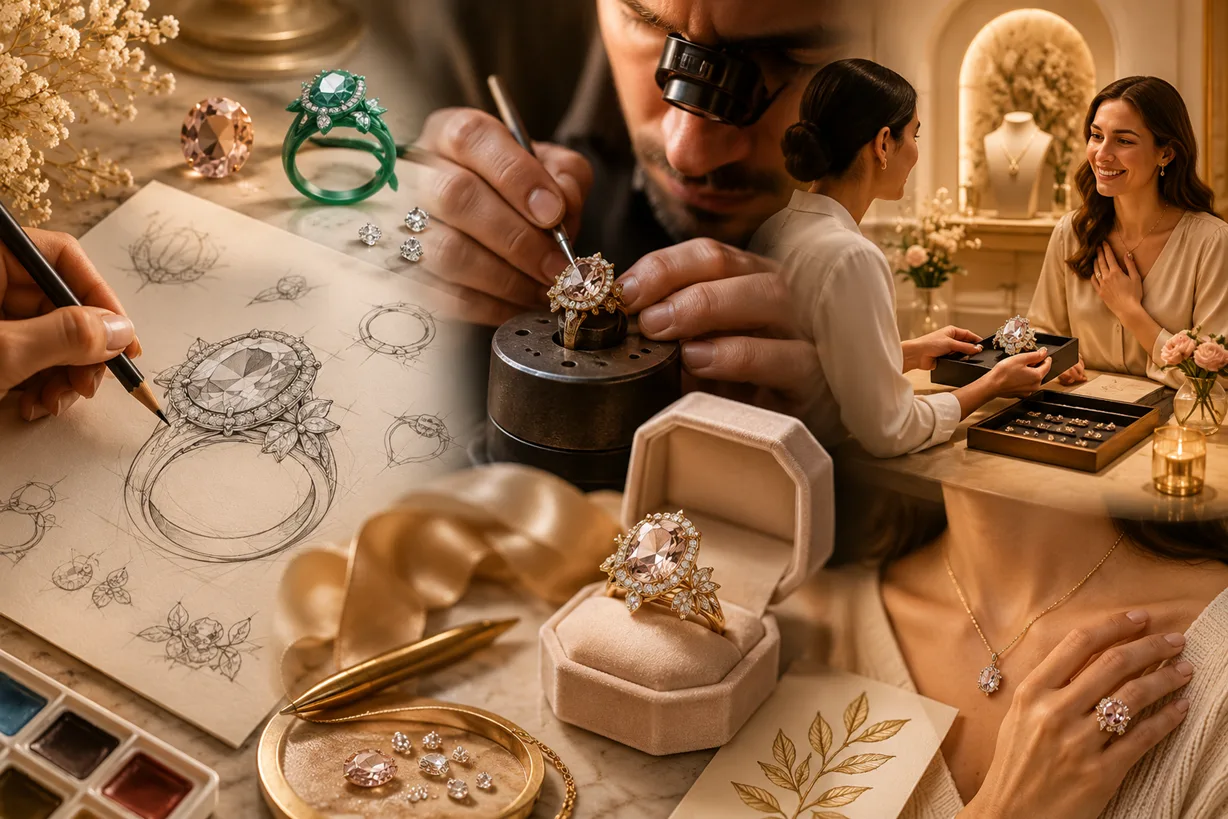
One might wonder how small, independent studios manage to capture market share from massive global conglomerates with seemingly endless resources. The answer lies in digital innovation and strategic communication. Today, more than half of all customised jewellery orders are initiated via digital channels, demonstrating a massive shift in how fine goods are procured. Independent brands are no longer restricted by geographic location or foot traffic. Instead, they leverage e-commerce platforms and social media to showcase their craftsmanship to a worldwide audience.
To compete on this international scale, independent businesses focus heavily on amplifying their online presence and digital PR to build a global reputation and connect directly with consumers. By utilising online consultations, interactive 3D modelling, and targeted content marketing, female entrepreneurs and boutique owners can reach a worldwide audience. They achieve this without the astronomical marketing budgets traditionally required by physical retail spaces.
The Future of the Jewellery Business
The business of bespoke jewellery represents a fascinating intersection of traditional artistry and modern digital commerce. As long as consumers continue to value sustainability, unique storytelling, and transparent business practices, independent brands will continue to thrive.
By offering highly personalised services and leveraging digital tools to expand their reach, boutique jewellers are proving that the future of luxury is not found on a factory assembly line, but at the artisan’s workbench. These independent creators have successfully redefined value in the modern marketplace, ensuring that craftsmanship and ethical commerce remain at the forefront of the industry.