



A wave of strong public criticism has hit Indian television after an episode of the TV series Rimjhim aired a scene that viewers felt was inappropriate because it appeared to depict a 16-year-old character in a romantic or intimate situation with an adult co-star. The backlash has reignited debates on content regulation, child protection, and the ethics of storytelling in entertainment.
The controversy erupted after a sequence from the show was shared widely on social media platforms. In the clip, actors Yashika Sharma and Himanshu Awasthy were shown in a scenario that many found disturbing because the former’s character was identified as being underage. Viewers expressed alarm that a minor’s on-screen representation was placed in a context that could be interpreted as beyond what is appropriate for someone of that age.


The criticism gathered momentum quickly, with users on platforms such as Instagram, X and YouTube raising serious concerns about both the creative choices of the show’s makers and the oversight mechanisms in place for television content. Many took issue with the idea that a storyline could depict a character who is legally a minor in an adult-oriented situation, saying it crossed a clear ethical boundary.
Viewers labelled the decision to broadcast the sequence as irresponsible, arguing it could normalise or trivialise situations that should not be associated with underage characters. Some comments focused on the potential impact on young audiences and how such portrayals might blur lines about consent, maturity and what is socially acceptable.
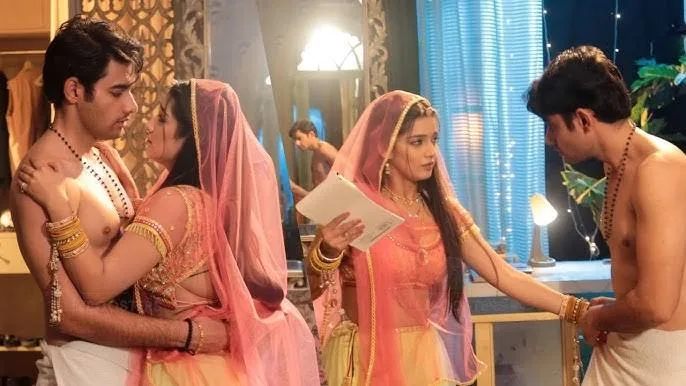
“Television reaches millions of homes, including children,” one user wrote. “There has to be a red line, and this crosses it.” Another wrote that content makers should be mindful of how depiction of age and relationships is framed, particularly when stories involve characters who are unmistakably underage.
A section of viewers also criticised broadcasters and regulatory bodies for allowing the episode to be aired without adequate scrutiny. These critics urged national regulators such as the Broadcasting Content Complaints Council (BCCC) and officials at the Ministry of Information and Broadcasting to step in and review guidelines to prevent similar incidents in the future.
In contrast, some defenders of the show argued that storytelling often involves portraying difficult or complex scenarios as a means to highlight real social issues. They noted that dramatization does not necessarily equate to endorsement, and that context matters when judging creative choices. These supporters called for caution in rushing to condemn the series without understanding the full narrative intent.


Rimjhim has not yet issued a detailed public response to the uproar, and representatives for the actors did not immediately respond to requests for comment at the time of reporting. It remains unclear whether the show’s producers plan to edit or reframe future episodes in light of the criticism.
Content experts weighed in by highlighting the importance of clear age demarcation in scripts and on screen, especially when themes touch on intimacy or relationships. They reiterated that media producers bear a responsibility to ensure that portrayals involving minors do not exploit or misrepresent youth, and that safeguards should be in place during both production and broadcast review.