

Leadership today is no longer confined to boardrooms or bound by rigid hierarchies—it is fluid, adaptive, and deeply human. Across sectors, women are not just stepping into leadership roles; they are reshaping what leadership looks and feels like. From startups and communications to creative industries and community-building platforms, women leaders are redefining success, influence, and impact on their own terms.
What sets this new wave of leadership apart is its emphasis on empathy, collaboration, and authenticity. Women today are leading not by imitating traditional power structures, but by reimagining them—bringing in voices that were previously unheard, creating inclusive ecosystems, and building organisations that are as emotionally intelligent as they are results-driven.

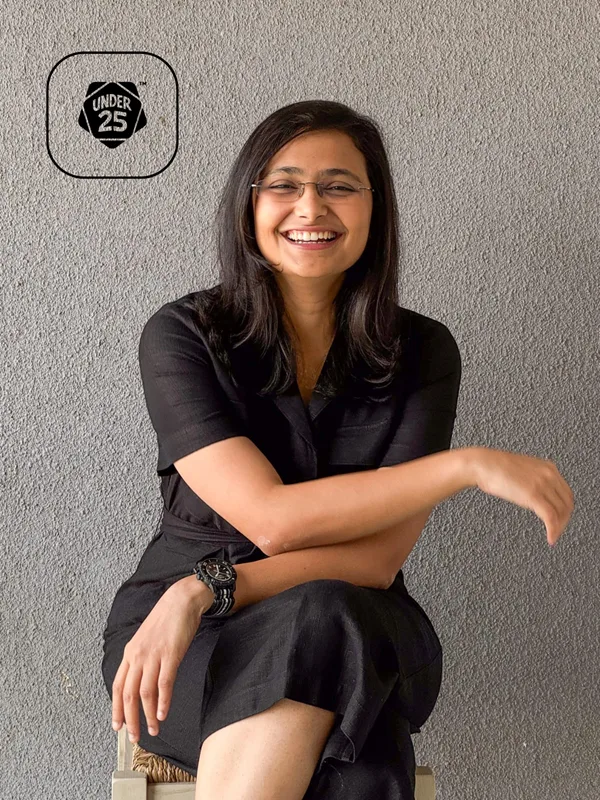
At the forefront of youth-driven innovation is Jeel Gandhi, CEO at Under25, who highlights a critical shift in engaging with the next generation. Jeel Gandhi says, “Building for Gen Z means listening rather than assuming. What looks like resistance is often just clarity about what they value. I’ve navigated challenges by creating spaces that feel real, where young people participate instead of just observing. It is about shaping a community with them, for them.”
Her approach underscores a larger transformation—leadership is no longer about directing from the top, but about co-creating with those you serve. It is about understanding nuance, respecting individuality, and building trust through genuine engagement.

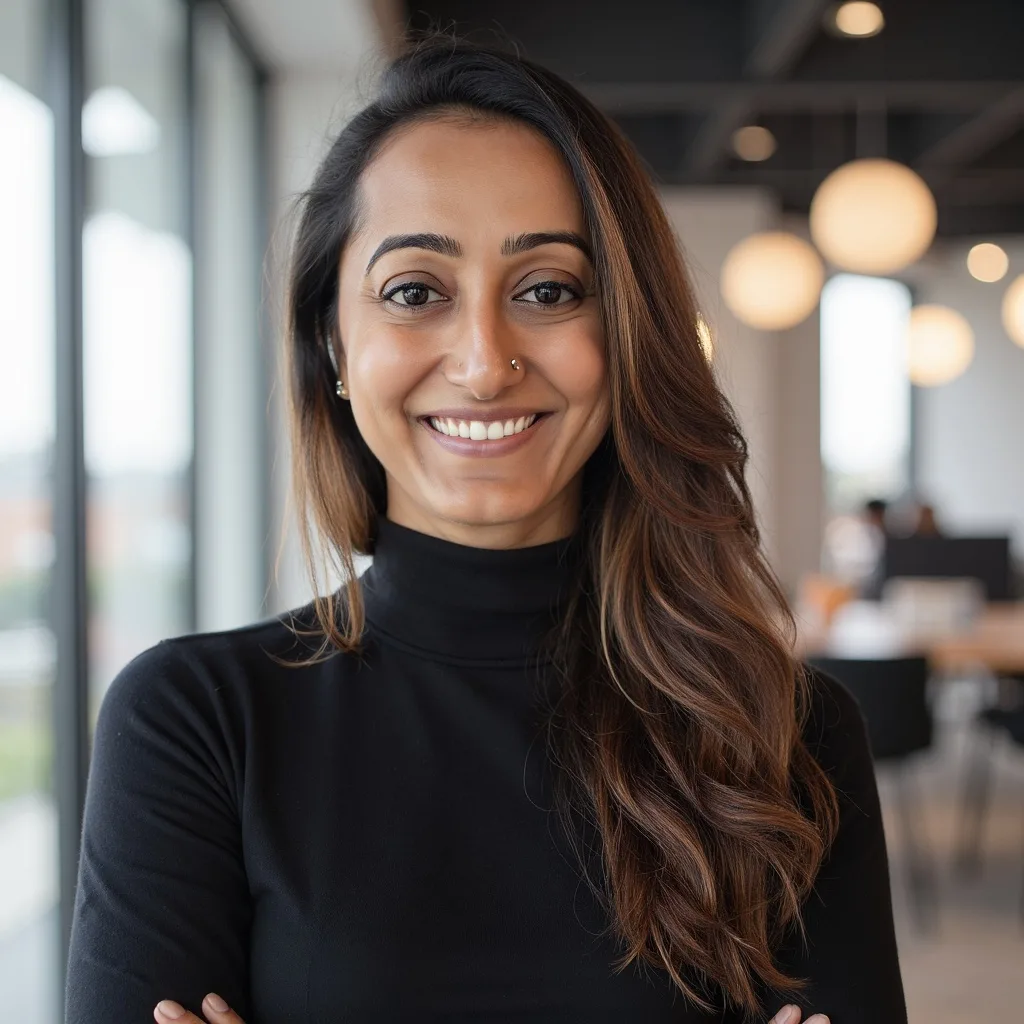
In the world of public relations, where perception often dictates reality, Aakanksha Gupta, Founder and CEO at The Other Circle, brings attention to a more grounded, long-term vision of leadership. Aakanksha Gupta reflects, “PR has moved from hype to trust, and that’s a harder game to play. As a woman leader, you’re often underestimated before you’re understood. I’ve learnt not to fight that perception too quickly, but to outgrow it. Trust sits at the centre of both PR and leadership, and when built well, it endures.”
Her insight captures a subtle yet powerful truth—women leaders often navigate layers of perception before their competence is fully acknowledged. Yet, instead of reacting, many choose to respond with consistency, resilience, and quiet confidence, allowing their work to speak louder than assumptions.
Beyond industries and designations, leadership is also a deeply personal journey—one that involves confronting limitations, both external and internal. Jayashree Vijay Mohan’s perspective reflects this introspective dimension of leadership. On her journey, she shares, “Redefining limits is not about proving strength to the world, but about accepting your reality and choosing to move forward anyway. Every setback reshapes you, but it does not define you. When we stop fighting ourselves and start believing again, new possibilities quietly unfold.”
Her words resonate across sectors, reminding us that leadership is as much about inner transformation as it is about external achievement.
Together, these voices illustrate a broader shift in the leadership narrative. Women today are not just participating in diverse sectors—they are influencing how these sectors evolve. Whether it is building youth communities, redefining communication, or embracing personal resilience, their leadership is marked by depth, adaptability, and purpose.
What emerges is a leadership style that is less about control and more about connection. It values listening as much as speaking, patience as much as ambition, and authenticity as much as strategy. It acknowledges challenges—not as barriers, but as catalysts for growth.
As industries continue to evolve, one thing becomes clear: the future of leadership is not just female—it is inclusive, intuitive, and transformative. And women across sectors are not waiting to be included in that future; they are actively building it.