


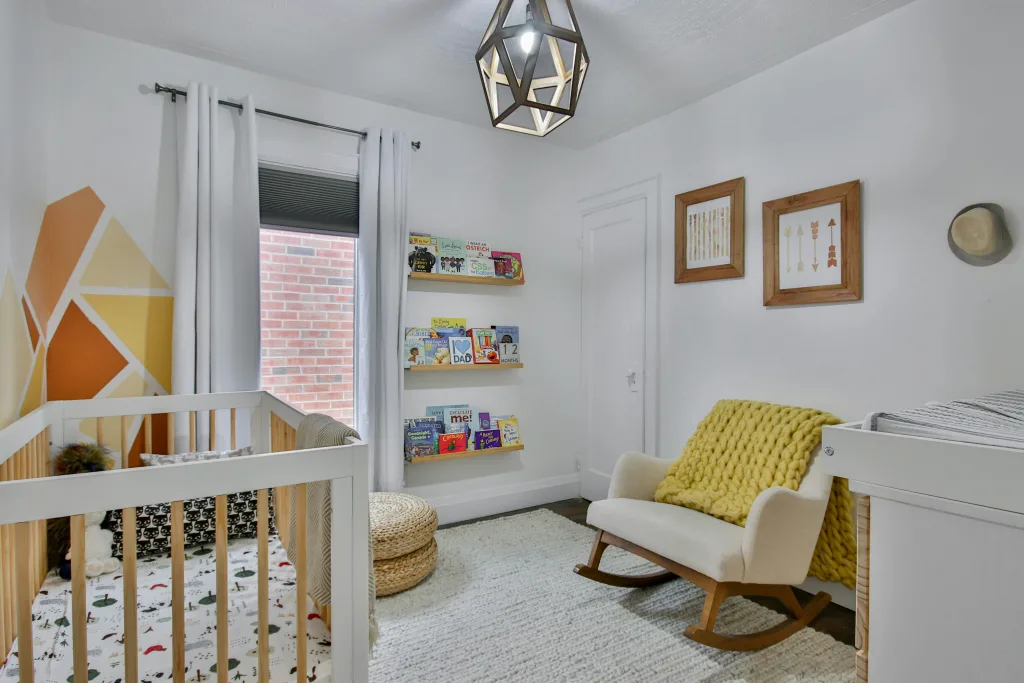
Getting ready for a new baby is one of the most exciting things in life, and setting up their nursery is a really special part of it. It’s more than just decorating a room; it’s about making a calm, safe, and cozy spot where you and your little one will spend tons of precious time. The main idea is to design a space that feels like a peaceful escape, helping with rest and gentle new beginnings. With a little careful planning, you can create a peaceful nursery that’s both lovely and practical, helping your baby grow and keeping you feeling good too.
Designing a Peaceful Layout
A peaceful nursery really starts with a smart layout. Before you even think about colors or decorations, consider how you’ll move around the room. The most efficient nurseries usually have three main spots: somewhere to sleep (the crib), somewhere to change diapers (the changing table), and somewhere to feed (a comfy chair). Try to arrange these spots in a way that makes sense for your daily routine. For example, putting the changing table near the closet makes it easy to grab fresh clothes. And having a small side table next to your feeding chair gives you a handy place for a bottle, a book, or a glass of water.
Think about how you’ll walk through the room. You’ll be navigating this space in the dark, probably holding your baby, so make sure there are clear paths between furniture. Don’t put big items near the doorway or in busy areas. Some practical nursery setup guidelines suggest that a simple layout often works best.
The colors you choose also really help set a calm mood. Soft, muted colors are known to be soothing. Think about shades like dusty blue, sage green, warm gray, or soft beige. You can add splashes of color with artwork, a mobile, or blankets, but keeping the walls and big furniture neutral will help keep the atmosphere restful.
Choosing Safe and Stylish Furniture
When you’re picking out nursery furniture, safety is the absolute most important thing. Always look for items that meet current safety standards. For instance, cribs should have a certification from the Juvenile Products Manufacturers Association (JPMA). Check for strong construction, smooth finishes without any sharp bits, and non-toxic paint and materials. A beautiful room is great, but a safe one is a must-have.
Once you’ve got safety covered, then you can think about style. A serene space often comes down to keeping things simple. Choosing minimalist furniture can help you create a calm and clutter-free nursery that feels open and airy. Look for pieces with clean lines and a classic design that can grow with your child. A convertible crib that turns into a toddler bed and then a daybed is a fantastic long-term buy.
Don’t be afraid to mix and match different pieces to get a unique look that’s all your own. You could even use a vintage dresser as a changing table by just adding a changing pad on top, which brings character and warmth to the room. The goal is to put together a cozy and stylish space that shows off your family’s style while still being a practical and peaceful spot for your baby.
The Importance of a Comfortable Crib
The crib is really the heart of the nursery. It’s where your baby will (hopefully!) get lots of sleep, so making it a safe and comfy haven is important. When you pick a crib, make sure the slats are no more than 2⅜ inches apart and that the frame feels solid and steady. Steer clear of drop-side cribs, as they’re not considered safe anymore.
The breathable baby mattress should also fit snugly inside the crib frame, with no more than two fingers of space between the mattress and the side of the crib. This helps prevent any gaps where a baby could possibly get stuck.
Getting a good quality, firm, and breathable baby mattress is one of the best choices you can make for your baby’s sleep space. A mattress designed for airflow helps keep the temperature just right, stopping your baby from getting too hot while they sleep. This extra comfort can mean longer, more restful sleep for everyone. When you’re choosing your crib and mattress, think of them as the main building blocks for a safe and restorative sleep spot.
Lighting and Sound for Sleep
Setting up the right sensory environment is key to helping your newborn get into good sleep habits. Both light and sound really affect how well a baby can fall asleep and stay asleep. For lighting, think about having layers. You’ll want a soft overhead light, maybe with a dimmer switch, for general use. A small, gentle lamp on a dresser or side table is perfect for those middle-of-the-night feedings and diaper changes. It gives you just enough light to see without fully waking your baby (or you!).
Blackout curtains are a must-have for the nursery. They block out sunlight during daytime naps and stop early morning light from waking your baby too soon. While darkness is essential for sleep, natural light is important when your baby is awake to help set their internal clock. So, open the curtains wide when your baby is up and playing to let that sunshine in.
Sound can be just as important. A white noise machine is a fantastic tool for soothing a newborn and drowning out noisy household sounds like a doorbell, a barking dog, or other kids playing. That constant, gentle hum sounds a lot like the womb, which can be very comforting for a new baby. Put the machine across the room from the crib, and keep the volume low, like a soft conversation, no louder than a gentle shower.
Organizing Baby Essentials
A messy room can feel chaotic, which is the exact opposite of the calm vibe you’re going for. Smart and easy-to-reach storage will be your best friend in the nursery. With all the tiny clothes, diapers, wipes, and toys, things can get disorganized fast without a good system.
Start with the changing station. You’ll want everything you need for a diaper change right within arm’s reach. Use drawer dividers or small baskets inside your changing table drawers to neatly separate diapers, wipes, creams, and extra bodysuits. A small bin next to the changing pad can hold the items you use most often.
For the closet, use clothing dividers to sort items by size. Babies grow so quickly, and this simple trick will save you from digging through piles of clothes trying to find something that fits. Use bins on shelves or the closet floor for shoes, socks, hats, and blankets. When it comes to toys and books, use low shelving or soft baskets. This not only keeps them tidy but also makes them easy for your little one to reach as they grow and start exploring. The goal is to have a specific spot for everything, making cleanup quick and keeping the room feeling calm and orderly.
Creating a peaceful nursery is a wonderful way to get your home and heart ready for your new arrival. By focusing on a calm layout, safe furniture, and a soothing atmosphere, you’ll design a space that encourages rest and connection for years to come.