



Emraan Hashmi’s courtroom drama Haq, produced by Junglee Pictures, has found a new audience with its arrival on OTT. Now streaming on Netflix, the film has once again sparked conversations around its layered narrative and morally complex characters. Featuring Emraan Hashmi and Yami Gautam in pivotal roles, Haq is inspired by a significant ruling of the Honourable Supreme Court and explores the fragile boundaries between justice, belief, entitlement, and consequence. Following its digital debut, the film has received renewed appreciation from viewers who missed it during its theatrical run.


Emraan Hashmi on Embracing Moral Ambiguity in Haq
In a special interaction with Times Now, Emraan Hashmi opened up about portraying one of the most intricate characters of his career. He shared that what initially drew him to the script was the moral ambiguity at its core. According to the actor, characters who are clearly right or wrong rarely hold his interest. In Haq, his character operates in a grey zone, driven by personal beliefs, insecurity, and a need for control. The narrative allows audiences to understand his motivations without endorsing his actions, a balance that Emraan believes is extremely challenging both to write and to perform. That realism, he said, made the film feel deeply authentic.


Known for playing conflicted individuals, Emraan feels this role stands apart because of its restraint. Unlike characters driven by visible anger or aggression, the conflict in Haq is largely internal. His character sees himself as justified and even moral within the framework of the law, which makes his actions more unsettling. Emraan explained that such conviction can be dangerous, as it rarely feels villainous to the person holding it. At this stage in his career, he is drawn to roles where darkness emerges subtly over time rather than being immediately apparent. Portraying control, denial, and moral rigidity proved to be one of his toughest challenges.
When Performance Demands Detachment From Personal Morality
The film’s themes of justice, guilt, and consequence also prompted personal reflection for the actor. Haq does not offer dramatic rewards or punishments; instead, it presents consequences that unfold slowly. During preparation, Emraan had to resist the instinct to emotionally justify his character, something actors often do to build empathy. While he could intellectually understand the character’s perspective, empathising with someone so deeply flawed was difficult. Separating his personal beliefs from the performance became essential and pushed him to rethink how much empathy an actor should bring to morally troubling roles.

Emraan also spoke highly of his collaboration with Yami Gautam. He praised her understated approach, noting that she avoids exaggeration, which suited the film’s tone. Many of their scenes rely on silence, glances, and pauses rather than dialogue. Yami’s stillness, he said, creates tension and forces a genuine reaction from her co-actor, strengthening the emotional conflict and making their interactions feel authentic.
Why Haq Feels Like a Purpose-Driven Film for Emraan Hashmi
For Emraan, Haq represents purpose. He described it as the kind of project that reminds him why he became an actor—to be part of stories that ask difficult questions instead of offering easy answers. At this point in his journey, he values the impact a story leaves behind. Haq lingers because it reflects real fractures within society, making participation in that conversation meaningful.
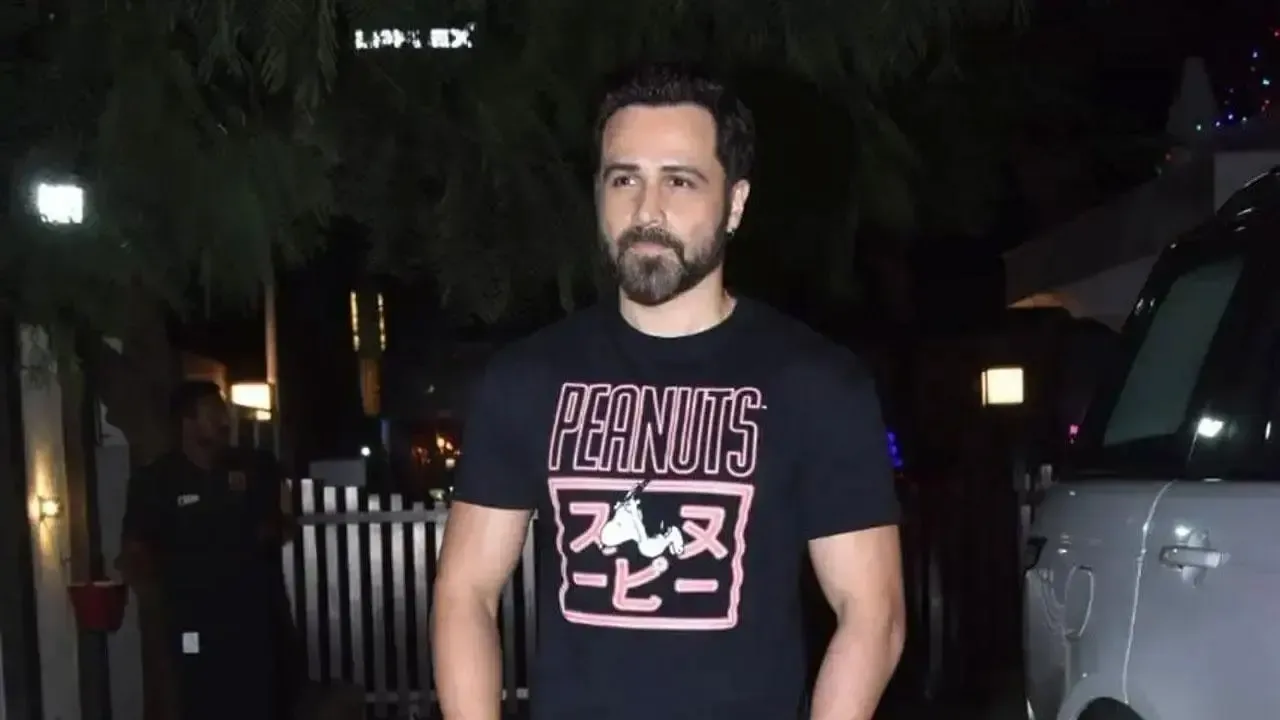
He also credited Junglee Pictures for their unwavering faith in the writing. The studio placed no pressure on making the character more likeable, allowing him to embrace complexity without fear. That creative freedom, Emraan said, is rare and invaluable, especially in films tackling sensitive moral and social issues. Haq originally released in theatres on November 7 and now continues its journey with audiences online.