
 Snehashish roy
Japan’s remarkably low obesity rate has long attracted global attention, often cited as a model for healthier living. While many countries struggle with rising lifestyle diseases, Japan continues to maintain one of the lowest obesity rates in the world through a combination of cultural habits, policy choices, and everyday lifestyle practices. Experts believe there are several lessons India and other nations can draw from this approach, though adaptation must account for local realities.

One of the most significant factors behind Japan’s success lies in its food culture. Traditional Japanese meals emphasise balance, portion control, and nutritional diversity rather than excess. Meals typically include smaller portions of multiple dishes, such as vegetables, rice, fish, fermented foods, and soups. This variety helps maintain nutritional adequacy without encouraging overeating. The cultural concept of “hara hachi bu,” which encourages eating until one is about 80 percent full, reflects a long-standing mindfulness toward food intake.
Another key contributor is the widespread availability of fresh and minimally processed food. Japanese cuisine traditionally prioritises seasonal ingredients, fresh produce, and cooking techniques that preserve natural flavours without excessive oil or sugar. Compared to many Western diets, ultra-processed food consumption remains relatively lower, though it has been rising in recent decades. Public awareness around healthy eating is reinforced through education from an early age, including structured school lunch programmes that emphasise balanced meals and nutrition literacy.

Urban design and daily activity also play an essential role. Japanese cities are structured around public transport systems that encourage walking and physical movement. Commuters often walk to train stations or cycle for short distances, integrating exercise into daily routines without needing dedicated workout sessions. This contrasts with more car-centric societies where sedentary lifestyles have become common. Even among older populations, regular movement through routine activities contributes to sustained metabolic health.
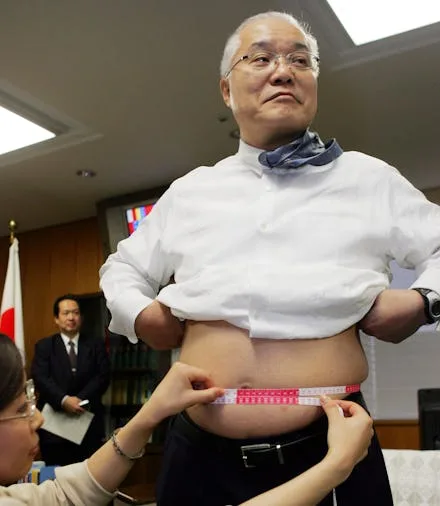
Government policies have further supported preventive health. One widely discussed initiative is the “metabo law,” introduced to encourage early detection of metabolic syndrome through regular health screenings and waistline measurements. While controversial, the policy reflects Japan’s preventive approach toward healthcare, focusing on early intervention rather than reactive treatment. Corporate wellness programmes and community health initiatives also reinforce the importance of regular check-ups and active lifestyles.
However, experts caution against viewing Japan as a one-size-fits-all model. Cultural norms around discipline, social expectations, and food habits play a significant role in shaping outcomes. For India, which has a diverse culinary landscape and varying socio-economic conditions, the challenge lies in adapting principles rather than replicating practices. Rising urbanisation and the growing availability of processed foods have contributed to increasing obesity rates in Indian cities, making lifestyle adjustments particularly relevant.

One lesson India could adopt is the integration of nutrition education into early schooling. Teaching children about portion control, balanced meals, and mindful eating could help establish healthier habits that last into adulthood. Similarly, improving urban infrastructure to encourage walking and cycling may promote physical activity organically rather than relying solely on gym culture.
Experts also highlight the importance of community-based approaches. Japan’s strong social cohesion helps reinforce healthy behaviour through shared norms. Encouraging community fitness programmes, local food markets, and awareness campaigns could help create supportive environments for healthier living in India.