


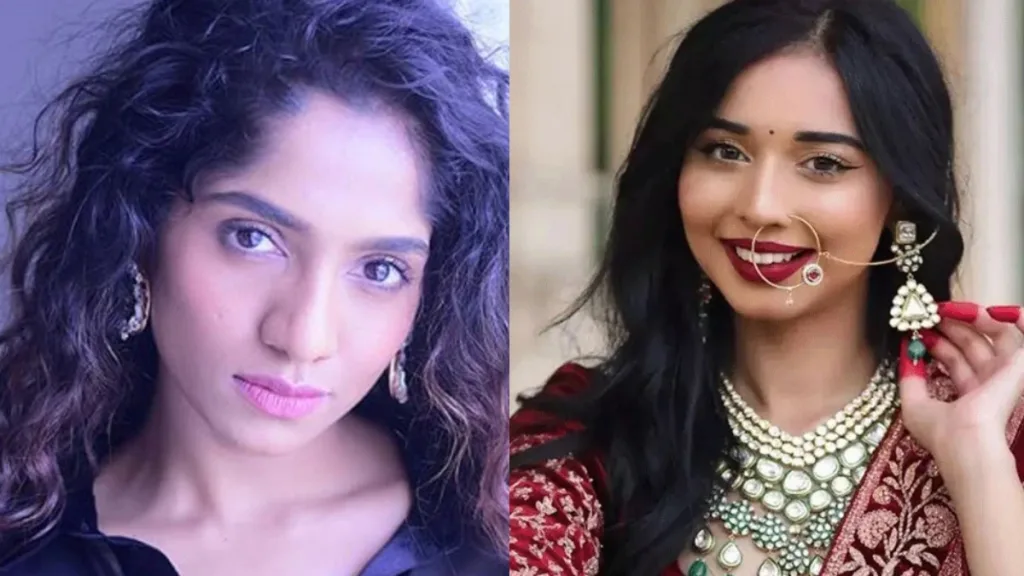
Comedian Jamie Lever has announced that she will be taking a break from social media, after facing significant backlash for a mimicry act that many viewers felt was insensitive. The decision comes amid a swirl of criticism around her recent performance referencing Bigg Boss 19 contestant Tanya Mittal, and Jamie has now spoken openly about the emotional impact the responses have had on her.
Jamie, daughter of veteran comedian Johnny Lever, has carved out her own space in the comedy circuit through stand-ups, digital sketches, and television appearances. Known for her quick wit and ability to mimic well-known personalities, she often uses parody and impressions as part of her comic toolkit. But in recent weeks, a clip from one of her live acts, in which she imitated Tanya Mittal’s mannerisms and voice, went viral, drawing both laughter and sharp criticism online.
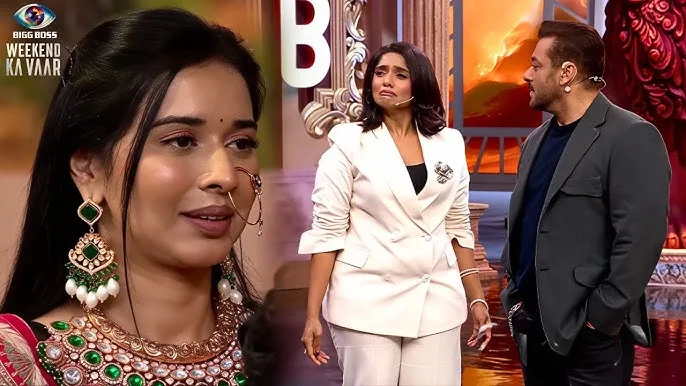

The controversy erupted when viewers felt that Jamie’s mimicry crossed a line, especially given ongoing discussions around body image and respect within the context of Bigg Boss 19. Many social-media users argued that making fun of a reality-show participant’s speech patterns and behaviour was insensitive and contributed to a culture of ridicule rather than humour. Comments ranged from calling the act “unnecessary” and “bullying” to questioning whether comedians should be more mindful of the impact of their material.
In response to the mounting criticism, Jamie took to her Instagram story to share a heartfelt message explaining why she would be stepping away from social platforms for a while. She said that the “recent events have made me feel overwhelmed” and that she needed time to reflect away from the glare of online scrutiny. Jamie wrote about how negative comments had affected her peace of mind and that distancing herself for a period was necessary for her emotional well-being.
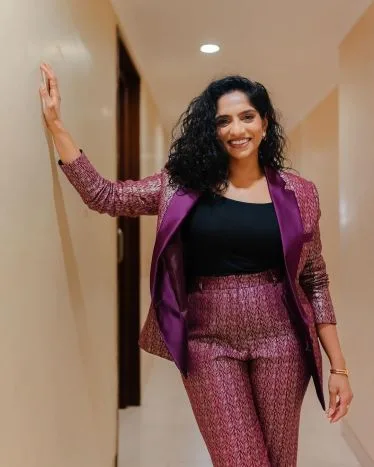

While she acknowledged that criticism is an unavoidable aspect of being in the public eye, she also emphasised the difference between constructive feedback and hostile trolling. Her statement suggested that the barrage of negative messages had left her drained and that taking a break was her way of preserving her mental health. She thanked fans who had reached out with support and asked everyone to be kinder when engaging with public figures online.
Reactions to Jamie’s social-media break were mixed. Supporters expressed empathy and encouraged her to prioritise her well-being, urging critics to tone down personal attacks. Many pointed out that comedians often experiment with edgy material and that intent should be weighed carefully. They also underlined that the ability to laugh at oneself is part of comedy, but that creators also deserve humane treatment from audiences.
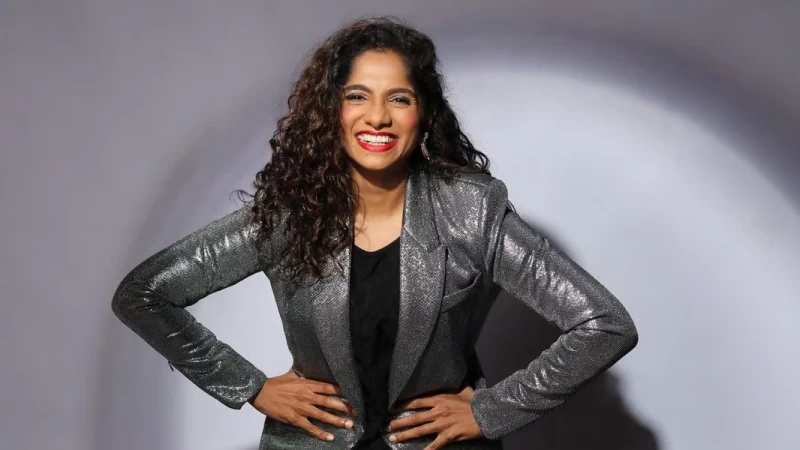

On the other side, some commentators stood by their earlier objections, saying that content creators should be held accountable for material that perpetuates mockery of an individual’s traits or behaviour. This debate has sparked broader conversations within comedy circles about where to draw the line between satire, impersonation, and respect, especially in a landscape where clips spread rapidly and context can be lost.
Jamie’s decision to step back highlights the pressures performers face today, where a moment of live humour can quickly become a viral flashpoint with polarised reactions. Her announcement underscores the emotional toll that intense online feedback, positive or negative, can take on artists who share parts of themselves publicly. It also raises questions about the responsibilities of audiences and content creators alike in navigating humour that engages without alienating.


As Jamie takes time off from social media, many fans are hopeful she will return with renewed clarity, and that the industry will continue to evolve conversations around comedy, sensitivity, and creative freedom in the digital age.