



The debate around the film Peddi continues to intensify, with criticism over how Janhvi Kapoor’s character is portrayed on screen. Viewers have pointed out scenes that they feel overly sexualise the female lead and blur the lines between romance and consent.
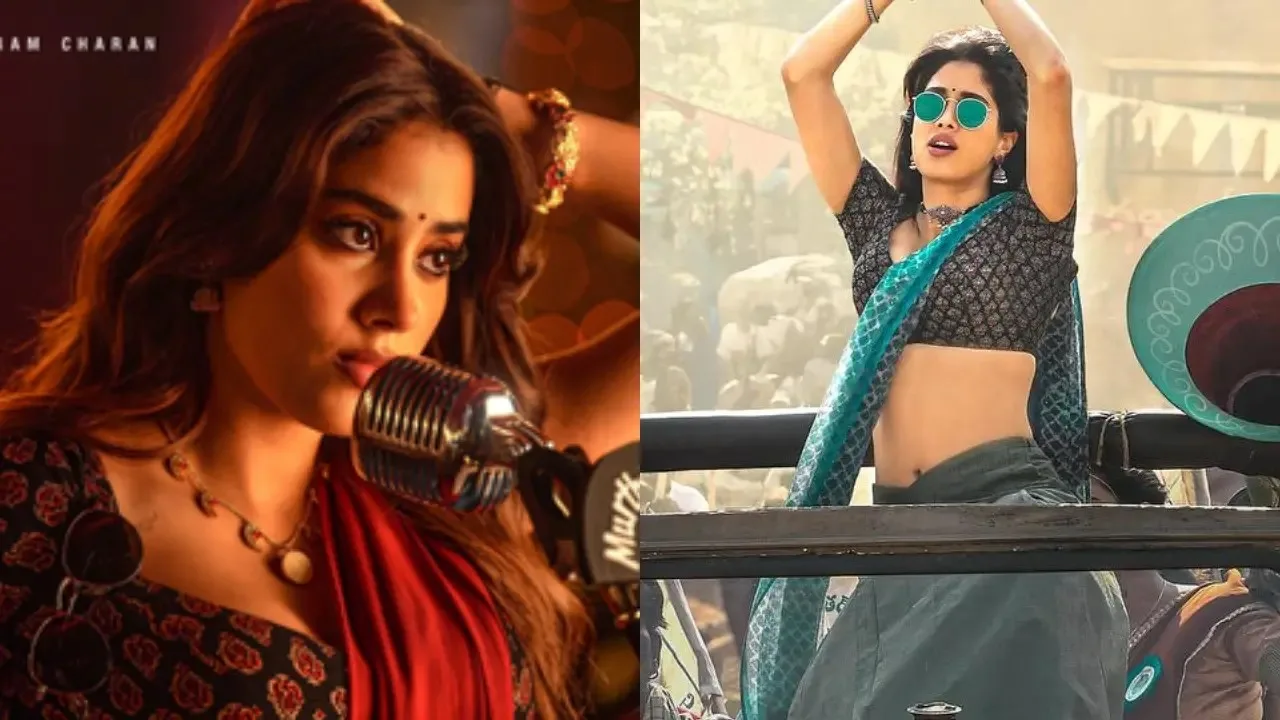

The backlash has sparked wider conversations in the industry.
Kangana Ranaut Breaks Her Silence
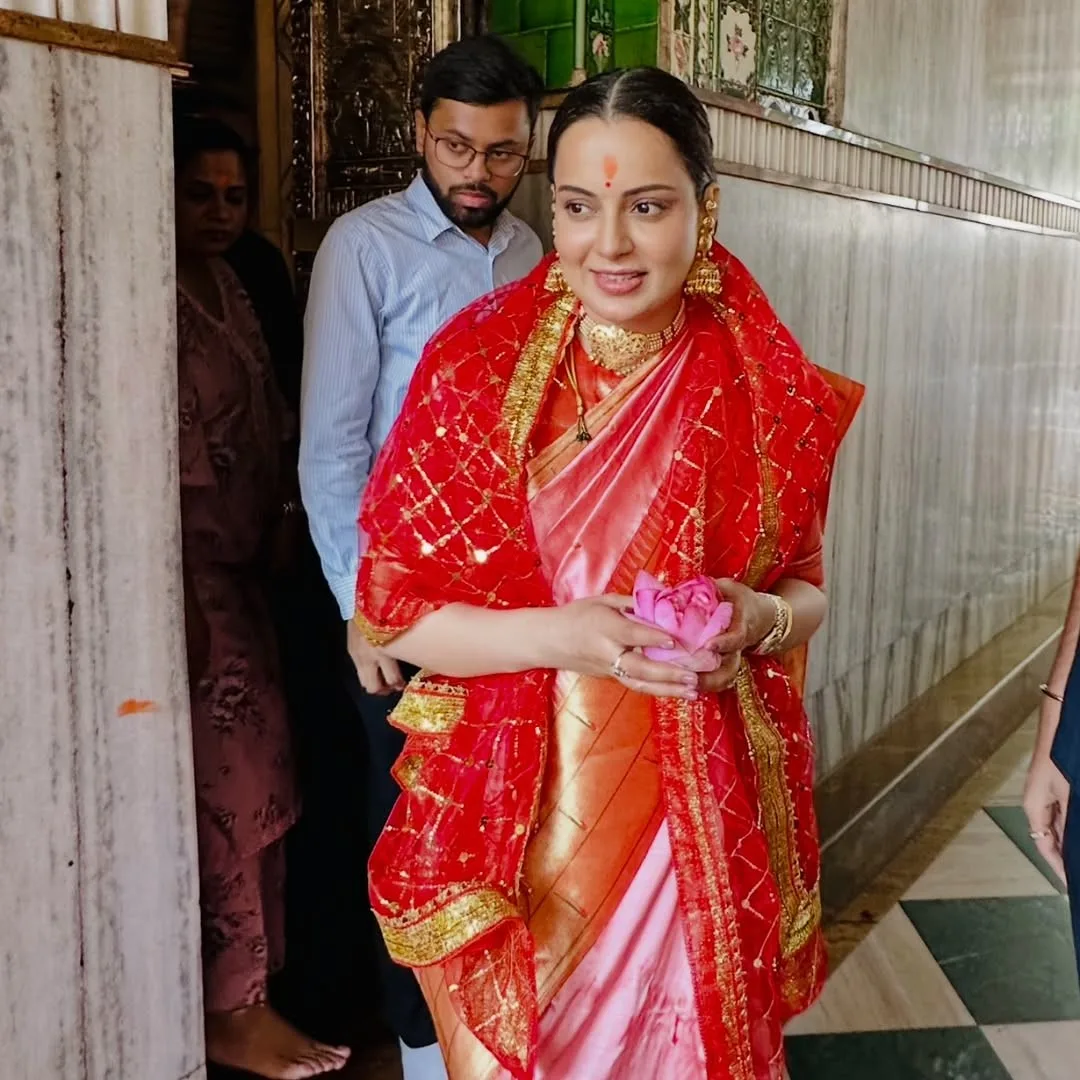

Amid the ongoing discussion, Kangana Ranaut has weighed in on the controversy while promoting her upcoming film. She stressed that the issue of objectification is not limited to cinema alone; it reflects a much larger societal problem.
Filmmakers may not always consciously intend to objectify women, but certain creative choices can still come across differently to audiences.
“Objectification Doesn’t Stop at Films”


Kangana made a strong point about how women experience objectification beyond the film industry. She said it is something that exists in everyday life as well, adding that women can face it “even if you go to a local train.” Her comment highlights how she sees the issue as deeply rooted in social behaviour.
“Speak Up on Set, It’s a Collaboration”
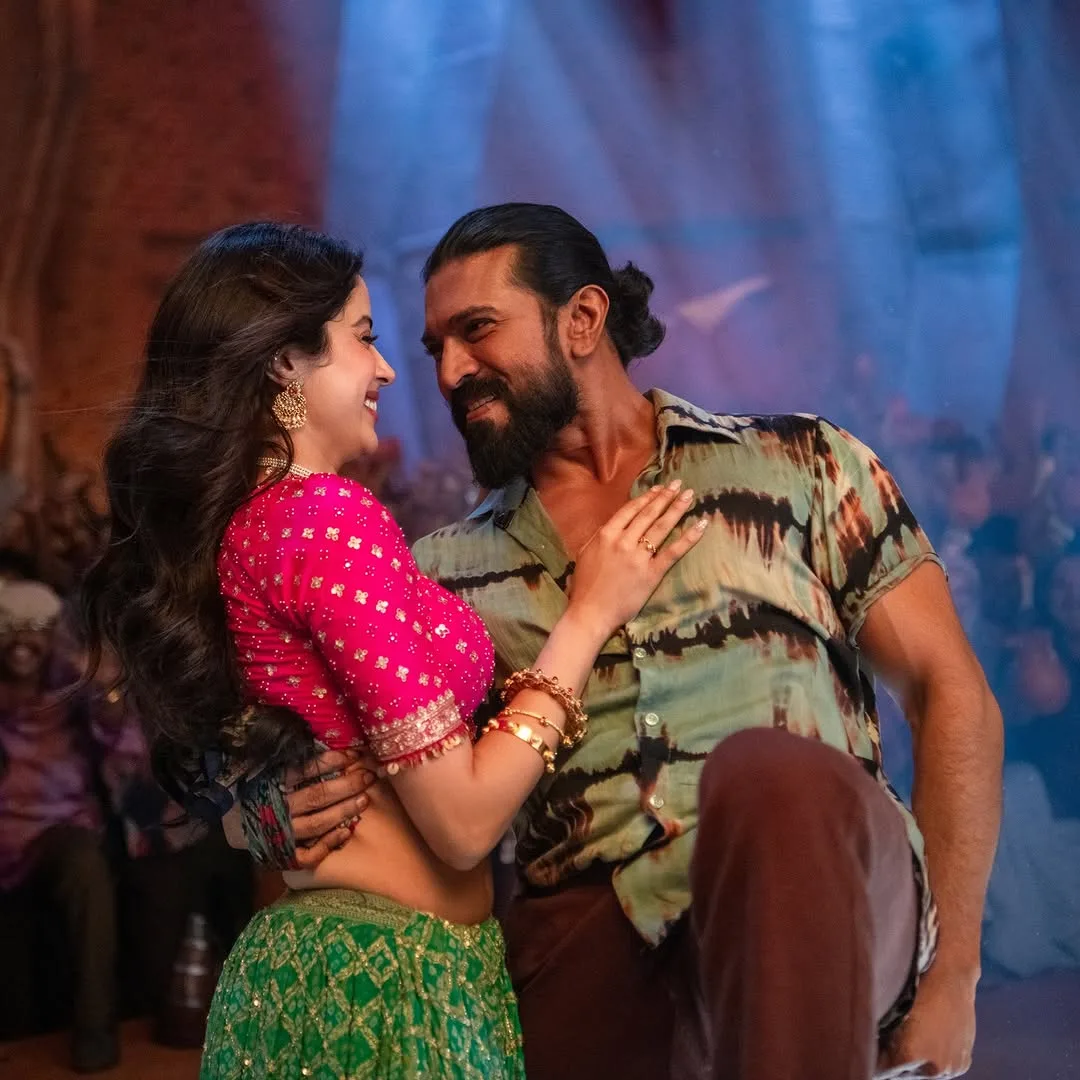
Kangana also emphasized the importance of communication during filmmaking. She said actors should feel free to speak up if something feels uncomfortable or misrepresented in a scene. In her view, cinema is a collaborative process where discussions between actors and directors can help correct problematic portrayals.
A Wider Debate on Representation
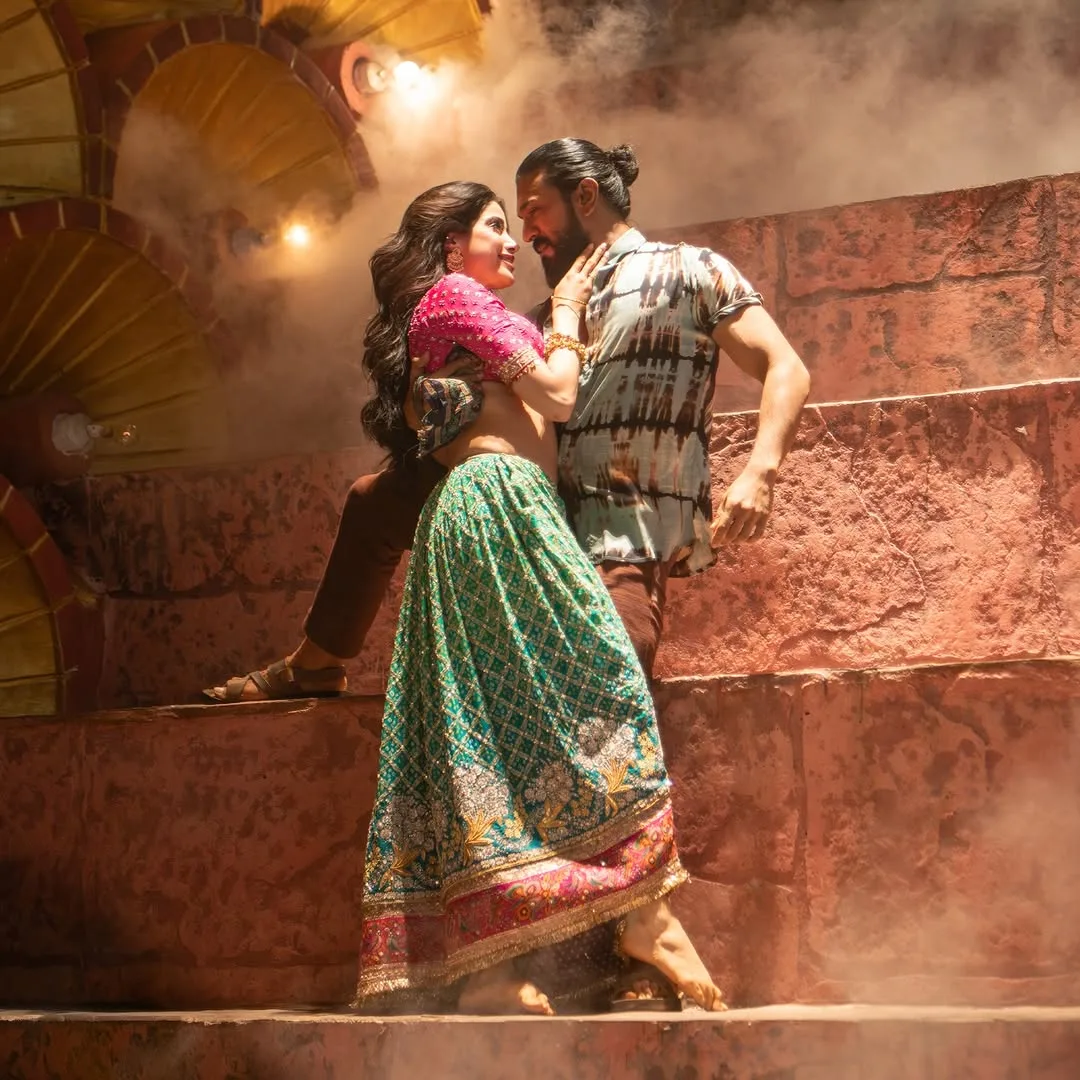
Peddi controversy has now become part of a larger conversation about how women are written, framed, and visually presented in Indian cinema.


While Kangana’s remarks focus on shared responsibility between creators and performers, the debate continues to raise deeper questions about consent, gaze, and normalisation of objectification.