


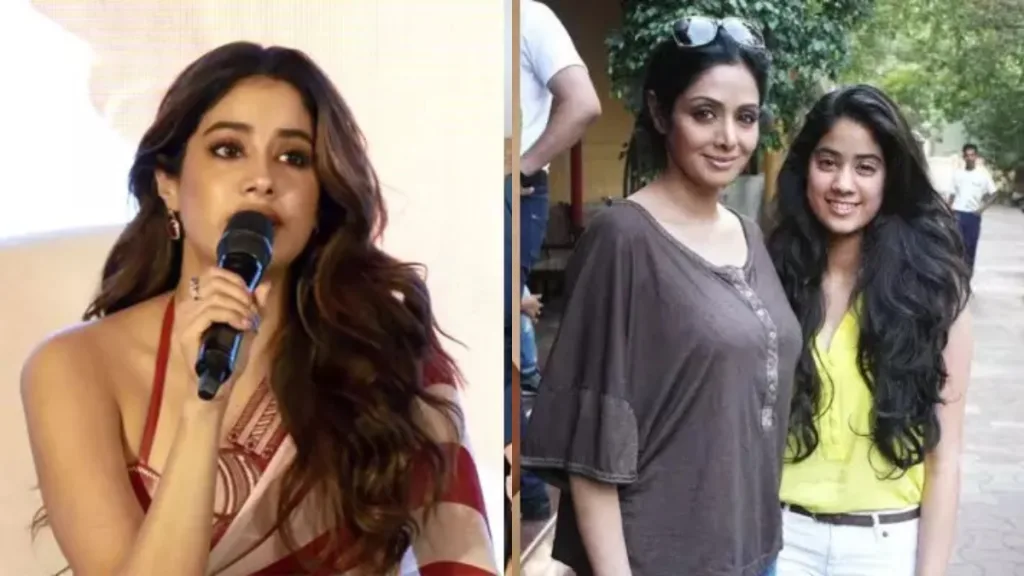
Actor Janhvi Kapoor recently opened up about one of the hardest periods of her life: the death of her mother, superstar Sridevi. But more painful than the loss, she says, was how that grief was treated, not with empathy, but as entertainment by large parts of the media and public. In a candid conversation she described how what was deeply personal became a spectacle: “Imagine losing your mother, and it’s entertainment for half the nation.”
Janhvi recounted how the paparazzi culture of her teenage and early adult years had deprived her of privacy from the very start. Growing up under constant public gaze, with every outing, outfit, airport arrival scrutinised, shaped a public perception of her as privileged, detached, and unrelatable long before she had even debuted.
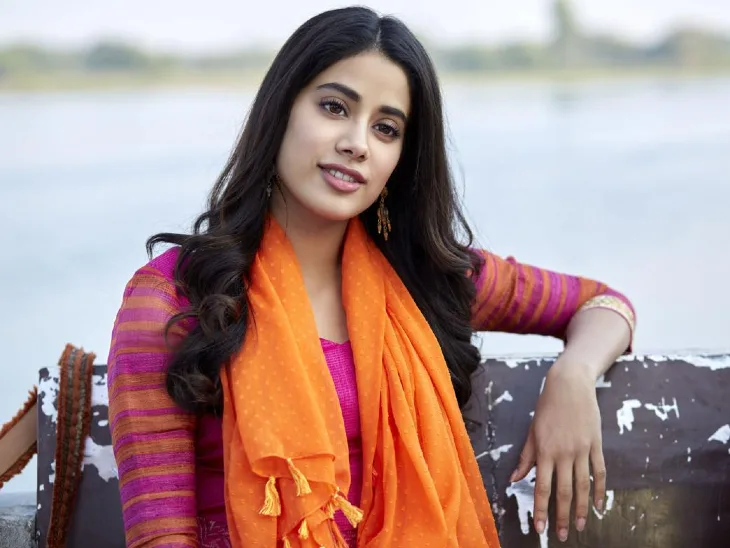

When Sridevi passed away in February 2018, just months before Janhvi’s debut film, the public scrutiny intensified. Not only was she bereaved, she was being judged. Whatever she did seemed wrong. If she smiled while promoting her film, she was criticised for appearing “too okay.” If she remained quiet or contemplative, she was labelled “cold.” As she put it: “It’s unfathomable that it could become a meme.”
But this wasn’t just about hurtful headlines and memes. Janhvi says it changed her view of humanity. The loss of her mother was traumatic, but what followed, the headlines, the trolling, the public commentary, left deeper scars. “The loss is one thing but the damage that came after really made me cynical about human nature,” she admitted.
She and her sister kept their grief private, never letting the cameras capture their pain. But that only gave critics and internet trolls more ammunition. Empathy, she says, was stripped away; they were no longer seen as humans struggling with grief, but as celebrities whose tragedies were fodder for gossip.


Janhvi has spoken before about how this period made her chase validation from the wrong places, shift her self-worth onto public approval, and question her own identity beyond being “Sridevi’s daughter.”
Her latest comments strike at a larger problem, how society, media and fandom often treat grief, tragedy, and personal loss as content. The sudden, violent intrusion into a young woman’s mourning process reflects not just insensitivity, but a deep cultural disregard for empathy. Janhvi’s experience highlights the cost of fame for those grieving in the public eye, and the cruelty that can follow.
But through her pain, Janhvi also seems to reclaim her narrative. By voicing her hurt, her anger and her disillusionment, she calls out the media and society’s indifference. She refuses to let the memories of her mother be distorted for entertainment. She demands, implicitly, but clearly, humanity, compassion, and the right to grief.


For anyone who has ever lost someone and felt unseen, the message is simple and powerful: grief is real. It needs space, respect and sensitivity. And no one, celebrity or ordinary, should have to mourn under the glare of judgement, memes, or voyeuristic public curiosity.