
 Snehashish roy
A major warning from one of India’s biggest film workers’ unions has exposed the growing crisis behind Bollywood’s glamorous image. BN Tiwari, President of the Federation of Western India Cine Employees (FWICE), has claimed that if conditions for technicians and crew members do not improve soon, the Hindi film industry could face a complete shutdown in the future.
Speaking about the worsening condition of behind-the-scenes workers in Bollywood, Tiwari said thousands of crew members are struggling with delayed payments, shrinking job opportunities and exhausting work schedules despite the rapid expansion of OTT content production.
His strongest statement quickly went viral online after he warned, “If it continues like this, the film industry will shut down one day, people will come on the road.”
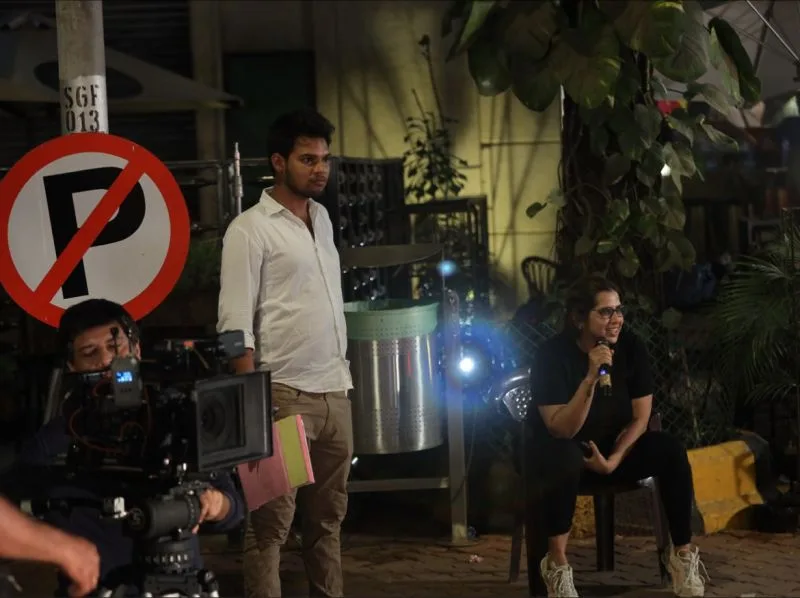
The statement has triggered intense debate across the entertainment industry because it highlights a reality often hidden behind Bollywood’s celebrity culture and red-carpet glamour: the increasing financial instability of the workers who actually keep productions running.
According to Tiwari, the biggest suffering today is not among actors or stars but among the people working behind the camera — spot boys, light men, junior artists, art department workers, makeup staff and technicians.
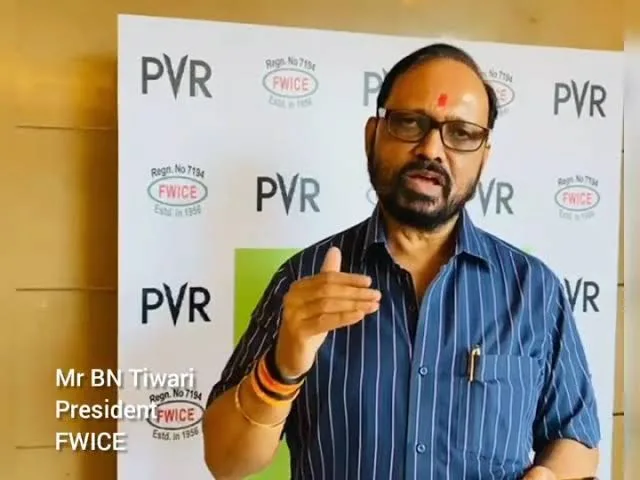
He claimed many workers are now routinely forced to work up to 20 hours a day without proper compensation or even basic overtime structures being respected.
Tiwari specifically pointed toward the changing economics of entertainment production after the OTT boom. While streaming platforms have created more content than ever before, he argued that the pressure for constant output has significantly reduced attention toward worker welfare and production quality.
“A lot of OTT platforms have opened up. Vertical films are now being made. Everyone wants more output,” he reportedly said while criticising the assembly-line style approach now affecting parts of the industry.
The FWICE chief further alleged that delayed payments have become one of the most serious issues affecting workers today. According to him, many crew members complete projects but struggle for months to receive their dues. In some cases, he claimed production companies or intermediaries become impossible to trace afterward.

The comments have once again exposed the widening gap between Bollywood’s public image and the realities faced by thousands of industry workers.
While superstar salaries, luxury vanity vans and extravagant film budgets frequently dominate headlines, crew members have repeatedly complained for years about irregular wages, unsafe conditions and exploitative working hours.
The issue is not entirely new. FWICE has previously clashed with producers’ bodies and streaming platforms over worker rights, unpaid dues and labour regulations. In 2015, the organisation had even called a major strike that temporarily disrupted shoots of several big Bollywood productions before a settlement was reached.
Now, however, the union’s warning appears far more alarming because it comes at a time when the entertainment industry itself is undergoing massive structural change.
The rise of streaming platforms initially created hope that increased content demand would generate more employment opportunities across the industry. Instead, many workers claim the OTT race has intensified pressure for faster production timelines and cheaper labour.
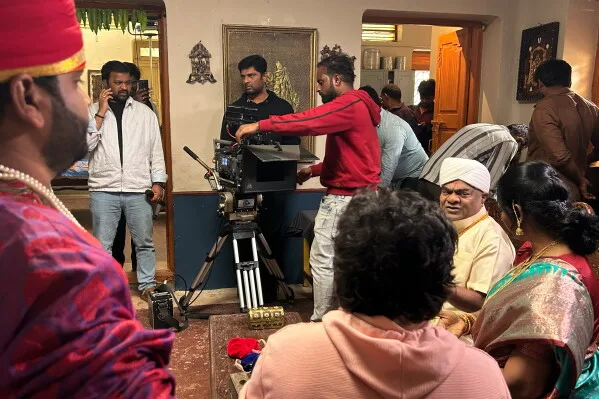
Several smaller technicians and junior artists have also complained in recent years that the explosion of short-form “vertical” content and low-budget streaming productions has reduced wages significantly. According to Tiwari, workers are increasingly forced to accept poor conditions simply because they need work to survive.
“A man needs work; he needs food,” he reportedly said while explaining why many workers continue compromising despite exploitative conditions.
The warning has resonated strongly online because it reflects growing concerns around burnout and instability across creative industries globally. Social media users pointed out that audiences often celebrate films and streaming shows without realising the human cost behind nonstop content production.
Many users online supported FWICE’s concerns and argued that technicians form the real backbone of cinema. Some also noted how conversations around Bollywood usually focus only on actors while ignoring the thousands of workers who build sets, operate lights, manage costumes and handle production logistics.
At the same time, others argued that the industry’s financial struggles after the pandemic have affected everyone involved in filmmaking, including producers themselves.
Bollywood has already faced significant economic turbulence over the past few years. Several expensive films underperformed at the box office, while streaming platforms also began reducing budgets after an earlier period of aggressive expansion. Industry insiders have repeatedly spoken about rising production costs, declining theatre footfalls and changing audience behaviour.
That economic pressure appears to be trickling down hardest onto the lowest-paid workers.
In India, however, such conversations rarely dominate mainstream Bollywood coverage unless a major controversy erupts publicly.
The FWICE chief also stressed that the organisation is continuing to speak with workers and gather complaints to help resolve disputes.