
 Snehashish roy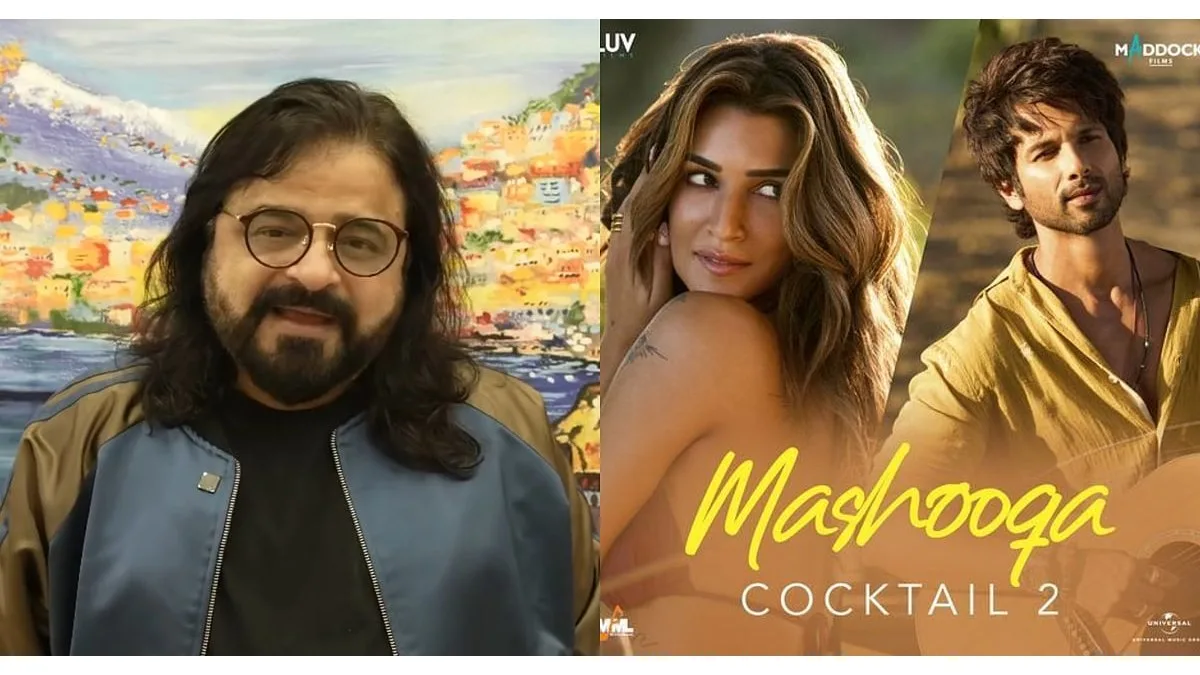
Music composer Pritam has hit back sharply at fresh plagiarism allegations surrounding Mashooqa, the newly released track from Cocktail 2, after social media users accused him of copying a 1993 Italian song. The controversy has once again dragged one of Bollywood’s most successful composers into the internet’s long-running debate around originality, inspiration and musical borrowing in Hindi cinema.
The backlash began shortly after Mashooqa, featuring Shahid Kapoor and Kriti Sanon, was released online. Social media users quickly started comparing the song’s melody and hook with the Italian track Se So Arrubate A Nonna, originally released in 1993. Clips placing both songs side by side soon spread rapidly across X, Instagram and Reddit, with many users claiming the similarities were “too obvious to ignore.”

As the trolling intensified, Pritam finally addressed the controversy through Instagram, where he sarcastically mocked the growing army of online “music detectives” analysing his compositions.
“At this point, these trolls are basically my unpaid PR team,” Pritam reportedly wrote while dismissing the accusations as exaggerated and imaginary.
The composer further suggested that people online often jump to plagiarism conclusions too quickly without understanding how global music collaboration, sampling and genre influence actually work in modern music production.
Interestingly, Mashooqa itself already carries a strong international flavour by design. The song was shot in Italy and features vocals and co-composition contributions from Italian singer Mahmood alongside Raghav Chaitanya and Ruaa Kayy. The Italian portions of the song were reportedly intentionally designed to blend Mediterranean pop aesthetics with Bollywood romance.
That context has become central to the online debate.
While critics accused Pritam of once again “lifting” foreign melodies, many fans defended him and argued that the similarities appear closer to stylistic inspiration or sampling than outright copying. Some users pointed out that modern pop music globally often overlaps melodically because of limited chord structures and evolving remix culture.
Others, however, insisted that Pritam’s history of plagiarism allegations makes audiences more suspicious whenever such similarities emerge.
That history is impossible to ignore. Over the past two decades, Pritam has repeatedly faced accusations of borrowing tunes from Korean, Middle Eastern, Turkish and Western songs. Tracks such as Pehli Nazar Mein, Bulleya and Pungi have all previously triggered plagiarism debates online.
The composer himself has publicly admitted in past interviews that he made “mistakes initially” in his career but claimed he later became far more careful about originality in his work.
Despite the recurring controversies, Pritam remains one of Bollywood’s most commercially successful and influential music composers. With blockbuster albums like Jab We Met, Barfi!, Yeh Jawaani Hai Deewani, Ae Dil Hai Mushkil, Animal and Brahmastra, he continues dominating streaming platforms and Bollywood charts.
That success is precisely why every plagiarism accusation against him becomes such a major internet event.
In many ways, the debate around Mashooqa reflects a larger shift in how audiences consume music today. Earlier generations often discovered songs through radio, CDs or television, making cross-cultural musical similarities harder to identify instantly. Today, however, algorithm-driven internet culture allows users worldwide to compare tracks within minutes.
A single Reddit post or viral reel can now trigger nationwide plagiarism discourse overnight.
The rise of meme culture has further intensified these controversies. Social media users increasingly treat plagiarism accusations almost like internet sport, with creators compiling side-by-side comparisons, reaction memes and “spot the copied tune” threads for engagement.
Pritam’s sarcastic response seems to reflect his exhaustion with that cycle. Rather than issuing a defensive clarification, the composer chose humour and irony to push back against what he sees as performative outrage culture.
Still, critics argue that Bollywood’s casual attitude toward “inspiration” has long blurred ethical boundaries in music. Veteran actor Shekhar Suman recently even described parts of the Hindi film industry as “plagiarists dependent on formula,” reigniting broader conversations around originality in mainstream cinema.
Supporters of Bollywood composers, meanwhile, argue that global music itself has become increasingly hybrid. From K-pop and Afrobeat to Latin pop and EDM, modern songs constantly borrow sounds, rhythms and structures across cultures.
That debate becomes even more complicated in films like Cocktail 2, where the soundtrack intentionally aims for a globalised aesthetic designed for international streaming audiences.
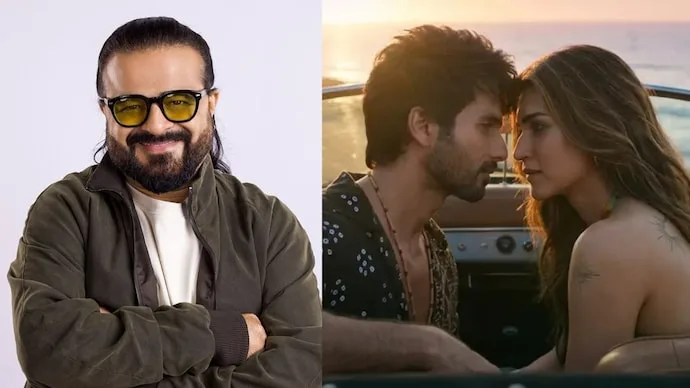
The song itself, despite the controversy, has already generated massive attention online. Featuring Shahid Kapoor and Kriti Sanon’s glamorous chemistry against scenic Italian backdrops, Mashooqa has quickly become one of the most-discussed Bollywood tracks of the week.
Fans have particularly praised the visuals, fashion styling and Shahid-Kriti pairing, even while debates around the melody continue dominating comment sections.
Cocktail 2 itself is among Bollywood’s most anticipated romantic dramas this year. Positioned as a spiritual successor to the 2012 hit Cocktail, the film reportedly explores modern love, emotional confusion and complicated friendships through a younger, more globally styled lens.
The original Cocktail soundtrack, also composed by Pritam, became iconic with tracks such as Tum Hi Ho Bandhu and Daaru Desi. Ironically, that album too had once faced occasional plagiarism discussions online despite becoming hugely successful commercially.
For now, though, the controversy around Mashooqa once again highlights Bollywood’s complicated relationship with musical originality in the internet age.