


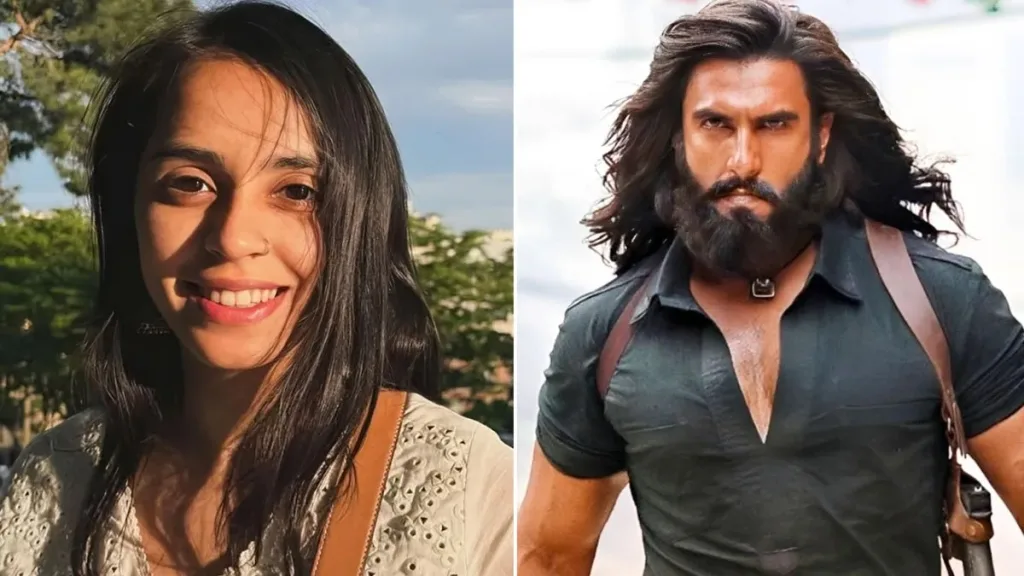
A fresh controversy has erupted around Dhurandhar: The Revenge after Reet Padda, sister of actor Aneet Padda, called the film a “propaganda” project on social media.


Reet’s remarks quickly went viral, drawing sharp reactions from netizens and fans of the film. The backlash intensified within hours, pushing her into the centre of an online debate around cinema, politics, and freedom of expression.
What Reet Padda Said About Dhurandhar 2
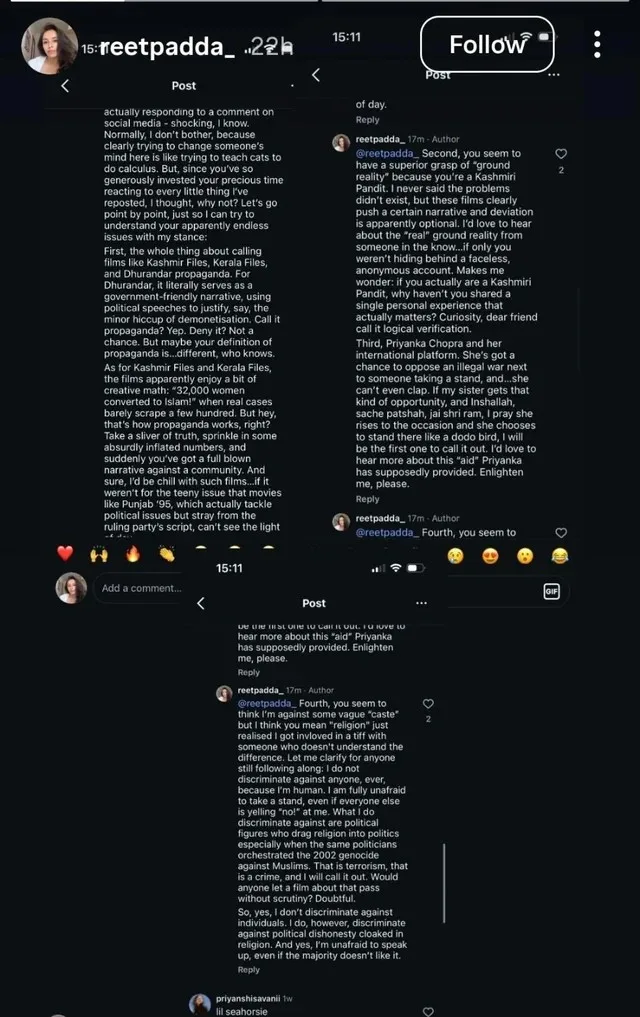

In her now-viral posts, Reet criticised the film’s narrative and described it as a government-aligned project. She also grouped Dhurandhar with other controversial films like The Kashmir Files and The Kerala Story, arguing that such films push selective narratives and exaggerated claims.
Screenshots of her comments circulated widely online, fueling intense discussions and polarised reactions across social media platforms.
Instagram Account Deleted After Online Backlash


As criticism mounted, Reet first made her Instagram account private and later deleted it entirely. Users searching for her profile were reportedly met with a message stating that the page was no longer available, indicating that the account had been removed or deactivated.
Reports also suggested that her LinkedIn profile disappeared around the same time, signaling a complete withdrawal from public social media following the controversy.
Aneet Padda Caught in the Crossfire
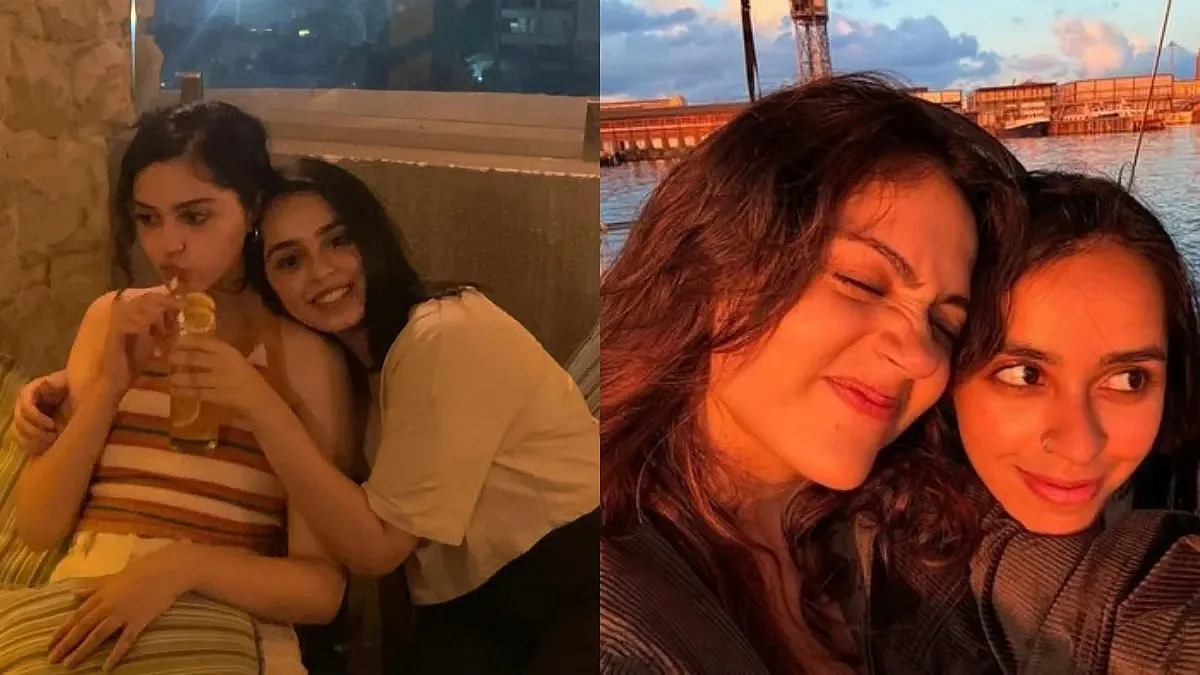

Although Aneet Padda did not make any public statement, she found herself indirectly dragged into the controversy due to her sister’s comments. The actor, who gained attention for her work in Saiyaara, has remained silent and continues to focus on her professional commitments.
The episode highlights how personal opinions shared by family members of celebrities can quickly snowball into public controversies in the digital age.
Film Continues Strong Run Despite Debate
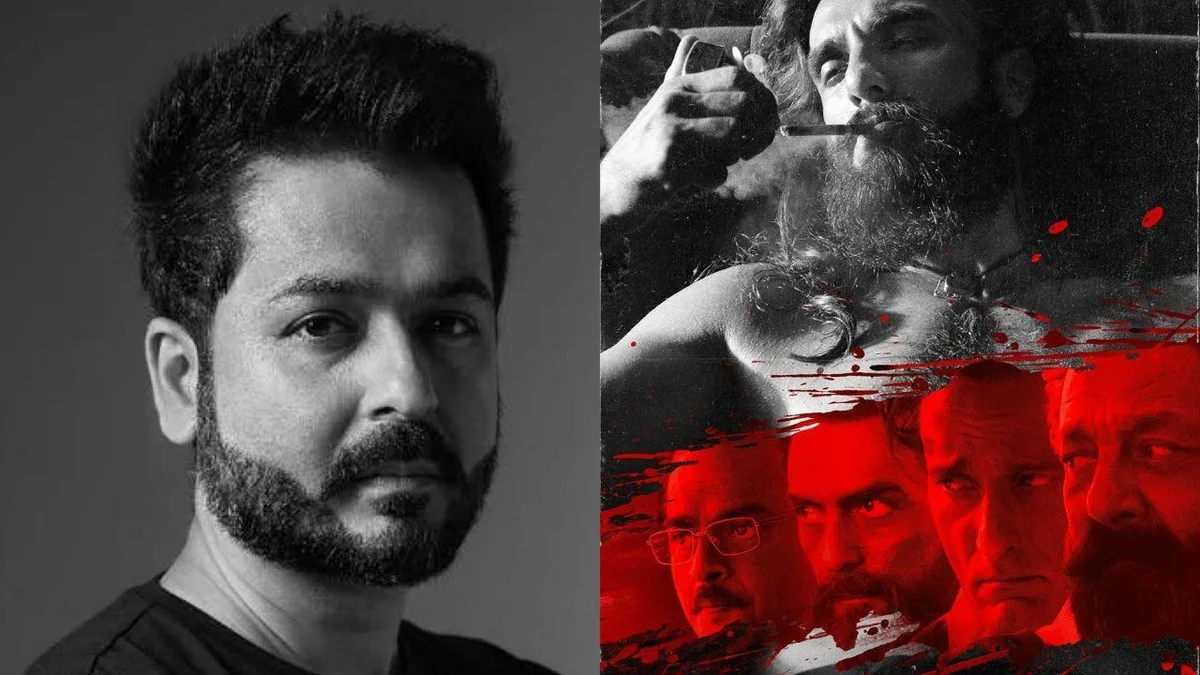
Despite the online uproar, Dhurandhar: The Revenge, starring Ranveer Singh and directed by Aditya Dhar, continues to perform strongly at the box office.
The controversy has instead amplified conversations around political storytelling in cinema and the growing scrutiny of films dealing with sensitive national and ideological themes.
Cinema, Politics, and the Price of Opinion


What began as a personal social media opinion has now evolved into a larger debate about propaganda in films, artistic freedom, and online accountability. The incident once again shows how quickly digital reactions can shape public narratives—especially when cinema intersects with politics and identity.