


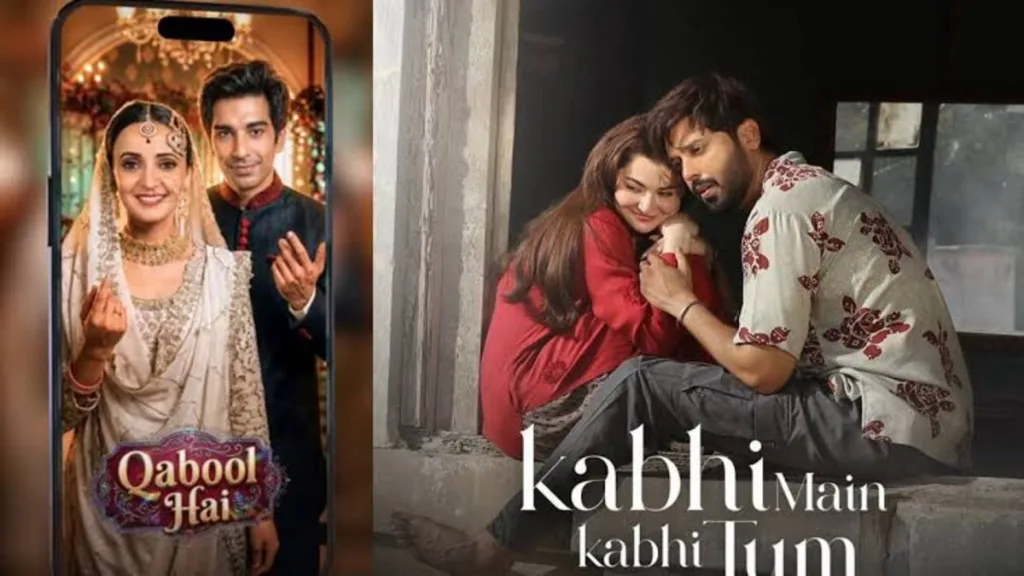
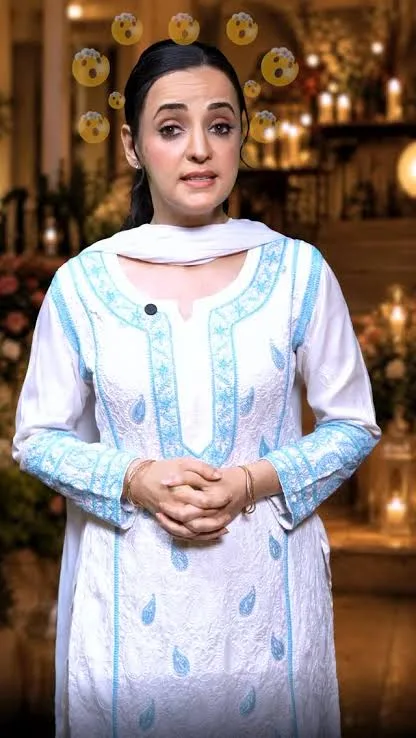
A fresh controversy has emerged in the entertainment world as viewers accuse Qubool Hai, a micro-drama from Sanaya Irani and Mohit Sehgal’s newly launched platform Kuku TV, of closely resembling the popular Pakistani drama Kabhi Main Kabhi Tum. The debate began shortly after the release of Qubool Hai, with social media users pointing out striking similarities between the two shows.
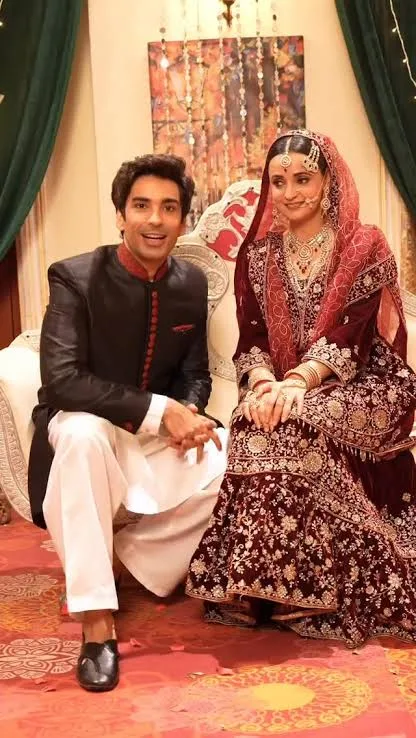

Qubool Hai
Qubool Hai Faces Trolls
From the overall storyline and character dynamics to emotional conflicts and relationship development, many viewers believe the new series mirrors several key elements of the Pakistani blockbuster. As clips and comparisons circulated online, discussions quickly gained momentum, sparking a larger conversation about originality, adaptation, and creative inspiration in the entertainment industry.
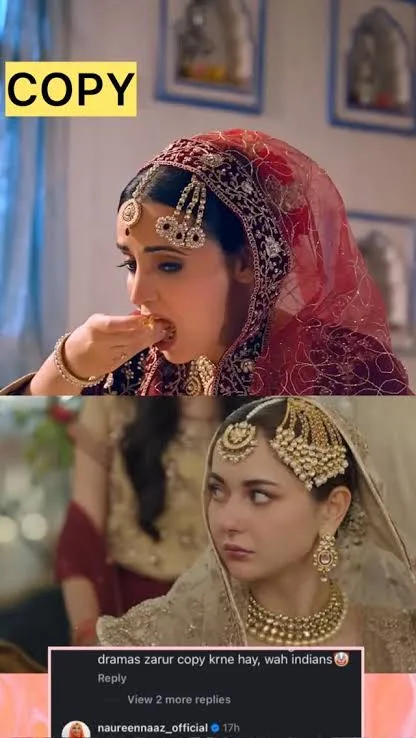
Qubool Hai
Many fans have highlighted parallels in the way the lead characters’ relationship evolves, claiming that both stories revolve around similar emotional journeys, family pressures, and marital challenges. According to viewers, the resemblance extends beyond common romantic-drama tropes and appears to touch upon the narrative structure and emotional core that made Kabhi Main Kabhi Tum such a success.
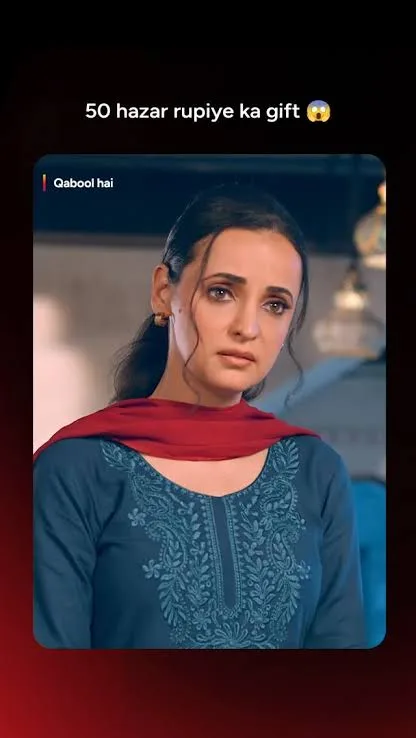
Qubool Hai
The Pakistani drama, starring Fahad Mustafa and Hania Aamir, received widespread acclaim for its realistic portrayal of a middle-class family, a complicated marriage, and the personal growth of its lead characters. The show’s emotional storytelling and the chemistry between its stars earned it a loyal fan base not only in Pakistan but also among audiences across borders. As a result, fans familiar with Kabhi Main Kabhi Tum were quick to notice similarities in Qubool Hai.
Qubool Hai
Several users on social media questioned whether the overlap was purely coincidental or whether the makers had drawn excessive inspiration from the original concept. The controversy has reignited discussions surrounding the thin line between inspiration and imitation. While themes such as arranged marriage, family expectations, and opposites-attract romances are common across television dramas, critics argue that the similarities being discussed go beyond familiar storytelling devices. The debate has also opened up broader conversations about adaptation rights and creative ownership in an era where content frequently travels across international markets and digital platforms.