
 Snehashish roy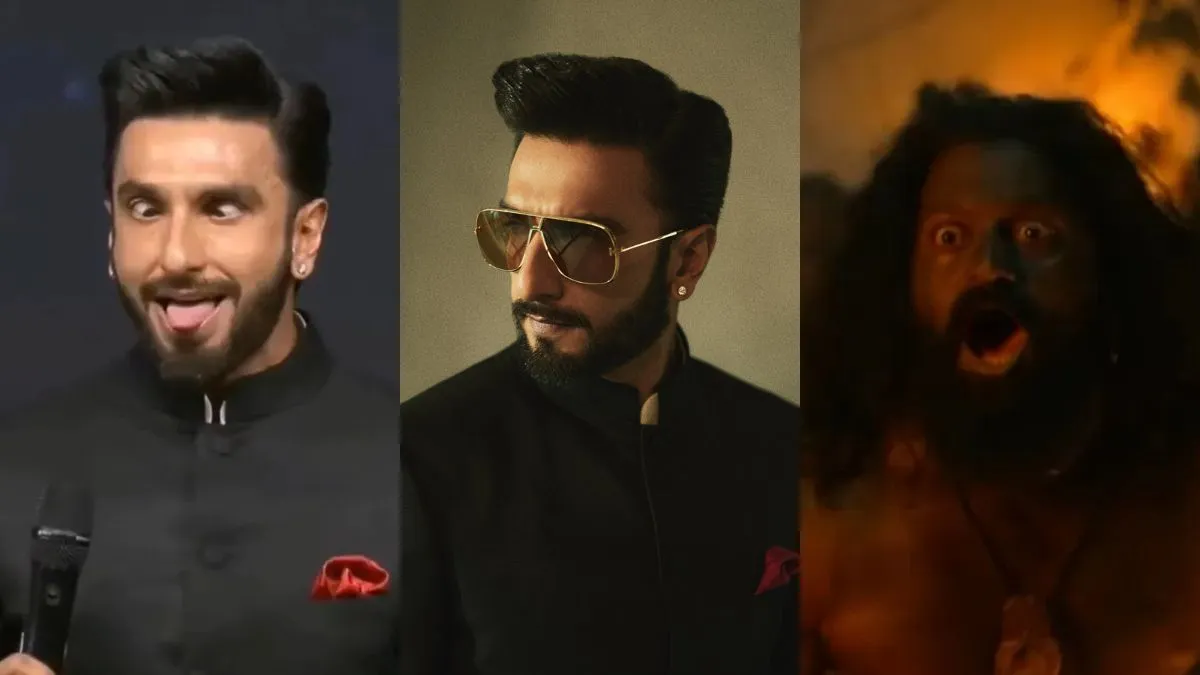
Ranveer Singh has moved the Karnataka High Court seeking relief against an FIR filed over his alleged mimicry of a ritual associated with the film Kantara, escalating a controversy that has lingered since the promotional phase of his film Dhurandhar. The actor’s legal team has argued that the performance in question was meant as appreciation rather than mockery, as the case now shifts into the legal domain.
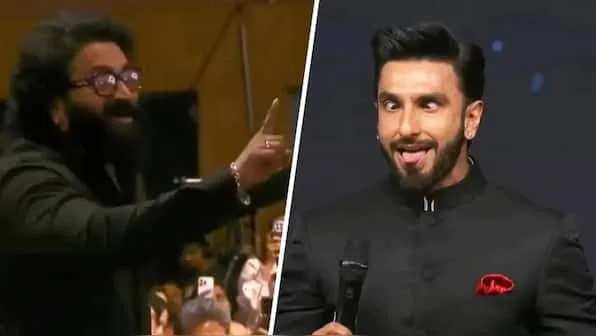
The controversy traces back to a public appearance where Ranveer recreated or mimicked elements inspired by a sacred ritual depicted in Kantara, which some viewers believed was disrespectful to religious sentiments. The mimicry sparked backlash online and triggered complaints that eventually led to a formal FIR being registered. Critics alleged that the act trivialised a cultural tradition, while supporters defended it as an expression of admiration rooted in cinematic enthusiasm.

In his petition before the Karnataka High Court, Ranveer’s legal representatives reportedly maintained that the performance was taken out of context and that there was no intent to hurt religious or cultural sentiments. They argued that the gesture was done in a celebratory spirit, acknowledging the popularity and influence of Kantara rather than undermining it. The defence has framed the issue as one of artistic expression, insisting that criminal proceedings in such cases risk setting a worrying precedent for performers who engage with cultural material through imitation or tribute.
The matter gained traction amid the heightened visibility of Dhurandhar, a film that has itself drawn attention for its ambitious scale and strong marketing presence. During promotional events, Ranveer’s energetic style often included playful reenactments or references to iconic cinematic moments. However, the specific performance linked to the FIR became controversial after social media users circulated clips claiming the act crossed the line between homage and insensitivity.
Legal experts observing the case note that disputes involving artistic performances and religious sentiments frequently hinge on intent and interpretation. In this instance, Ranveer’s legal strategy appears focused on demonstrating that the act did not meet the threshold required to justify criminal charges. By approaching the High Court, the actor is seeking either the quashing of the FIR or interim relief that would prevent further escalation while the case is examined.
The FIR itself reportedly stems from a complaint alleging that the mimicry hurt religious feelings, a charge that has often been invoked in India when cultural or faith-based representations generate controversy. Such cases tend to attract public debate over the balance between creative freedom and respect for tradition, especially when performers draw inspiration from culturally significant practices.
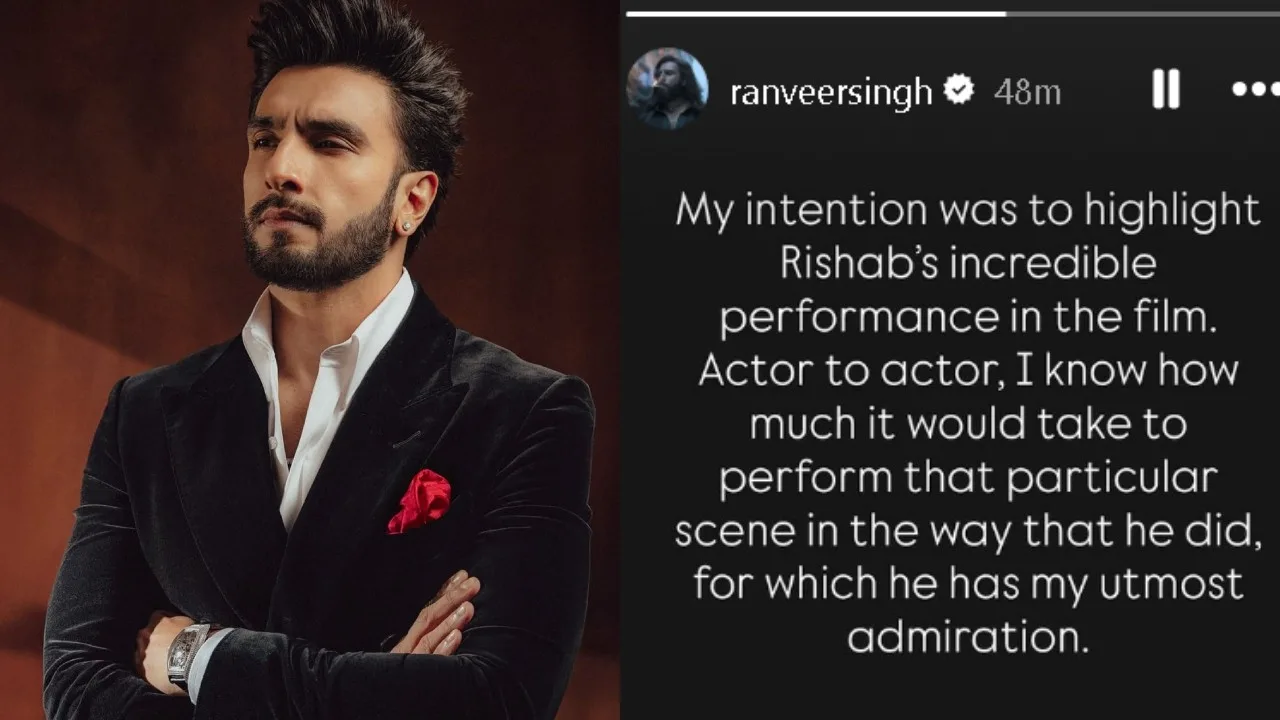
Ranveer had earlier issued a public apology following criticism related to the incident, acknowledging the sensitivities involved and reiterating his respect for diverse cultural traditions. Despite the apology, the legal complaint moved forward, underlining how controversies can continue even after attempts at clarification.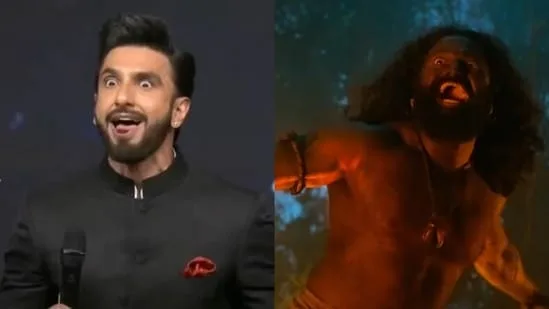
The Karnataka High Court’s involvement now places the matter under judicial scrutiny, where the focus will likely shift from public opinion to questions of legal interpretation. The proceedings could also contribute to ongoing discussions around the boundaries of artistic imitation, cultural homage and the role of performers in navigating culturally charged material.