


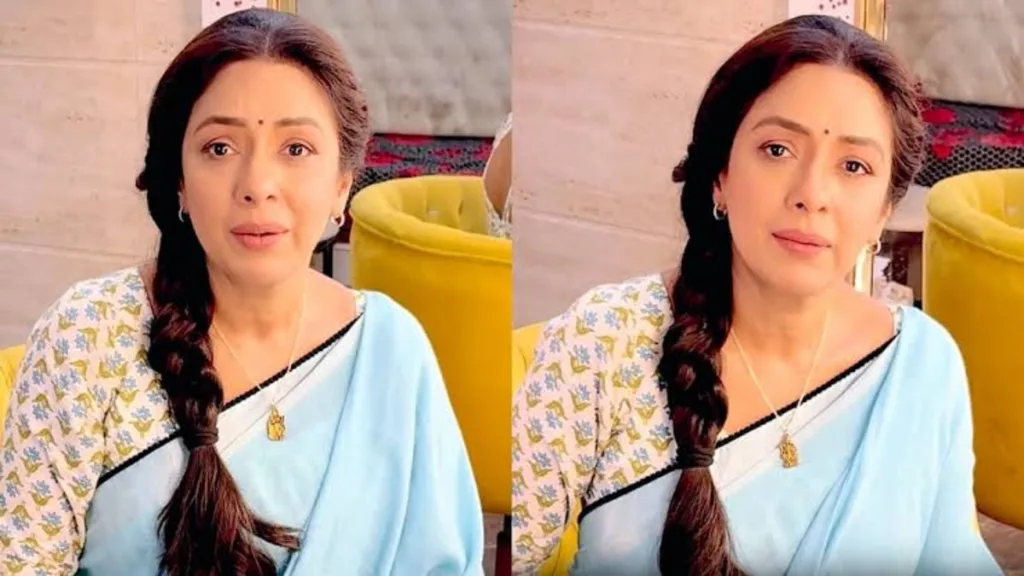
Television actress Rupali Ganguly, best known for her role in the hit show Anupamaa, recently expressed her frustration over a prolonged power outage at her residence in Mumbai’s Versova area. The actress took to social media to highlight the issue and questioned how such disruptions could occur in a city like Mumbai. Her post quickly gained attention online, with several residents and social media users sharing similar concerns about electricity supply and customer support services.


Rupali Ganguly
Rupali Ganguly Raises Complaint on Social Media
On Sunday morning, Rupali Ganguly posted a message on X, alleging that her residential building and two neighboring buildings had been without electricity since late Saturday night. According to the actress, the power supply had been fluctuating for several hours before going out completely. She claimed that despite repeated attempts to seek assistance, the customer support system failed to provide a satisfactory resolution.

Rupali Ganguly
Rupali also criticized the automated chatbot service, stating that it repeatedly promised restoration within a short period but failed to deliver any meaningful update. Expressing her disappointment, Rupali questioned how such a situation could occur in a metropolitan city like Mumbai, which is often regarded as India’s financial capital. The actress implied that if residents of Mumbai were facing such challenges, the situation in smaller cities and towns could potentially be even more difficult.


Rupali Ganguly
Her comments resonated with many users who shared their own experiences of power cuts and service-related issues. Following Rupali’s post, several social media users joined the discussion and described the difficulties caused by the outage. Many residents reportedly complained about spending the night without electricity amid heat and humidity.
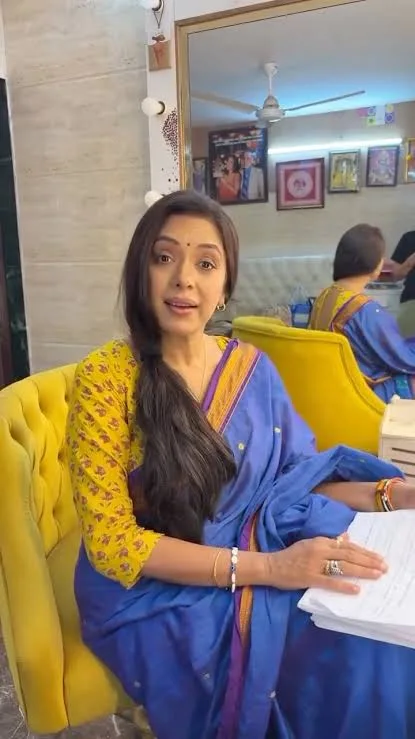

Rupali Ganguly
Some users also claimed that attempts to contact customer support yielded little information regarding the restoration timeline. The discussion soon gained traction online, with numerous people debating the quality of urban infrastructure and public utility services. As often happens with issues related to civic services, the conversation eventually expanded into political territory.