


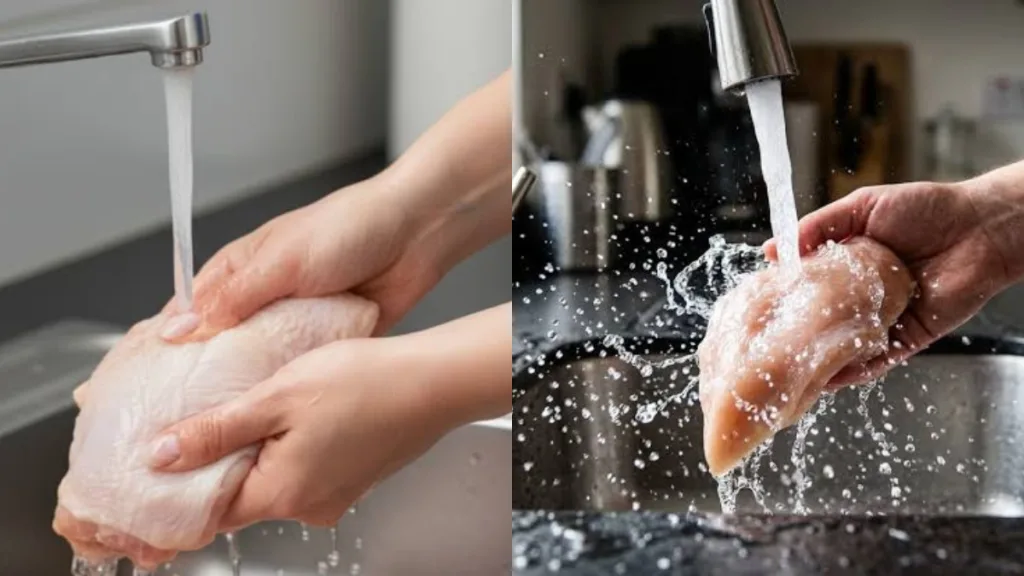
The long-standing kitchen habit of washing raw chicken before cooking has come under scrutiny, with an AIIMS-trained neurologist cautioning that the practice may do more harm than good. Contrary to popular belief, experts say rinsing chicken does not eliminate harmful bacteria and can instead increase the risk of contamination in the kitchen.
According to Dr Rahul Chawla, a neurologist trained at AIIMS, New Delhi, washing raw chicken under running water can spread bacteria rather than remove it. “Most of us wash raw chicken because it feels hygienic. But in reality, it can spread bacteria around your kitchen,” he explained.
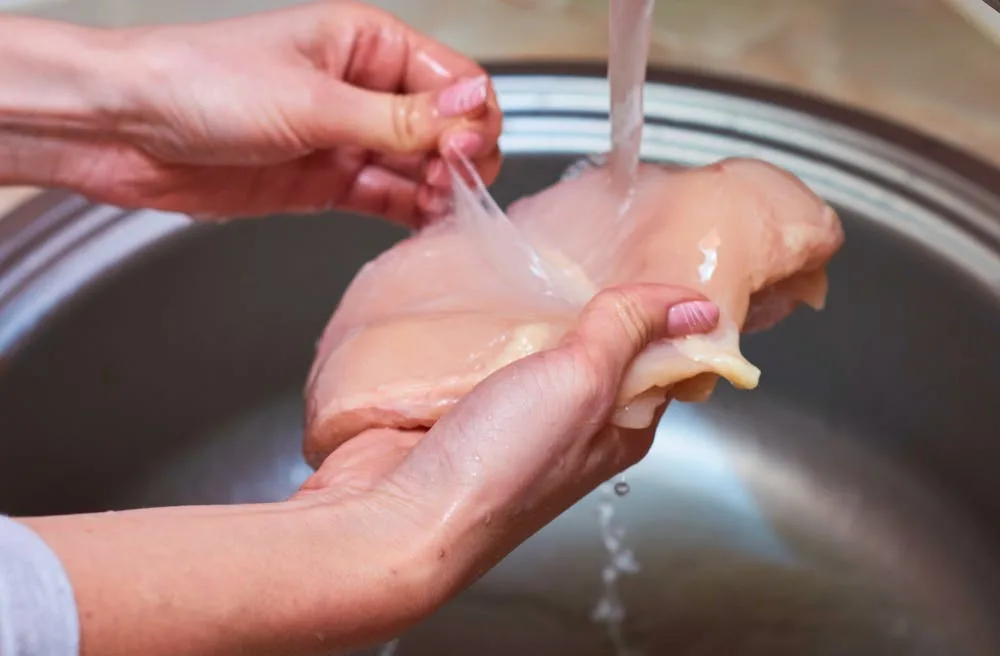

Raw chicken is known to carry bacteria such as Salmonella and Campylobacter, which can cause gastrointestinal infections even in small amounts. However, simply rinsing the meat with water does not eliminate these pathogens. Instead, the act of washing can create splashes that transfer bacteria onto nearby surfaces like countertops, utensils, sinks and even other food items.
Health experts globally echo this warning. Food safety authorities, including the US Food and Drug Administration and Centers for Disease Control and Prevention, advise against washing raw poultry because of the risk of cross-contamination through water droplets.
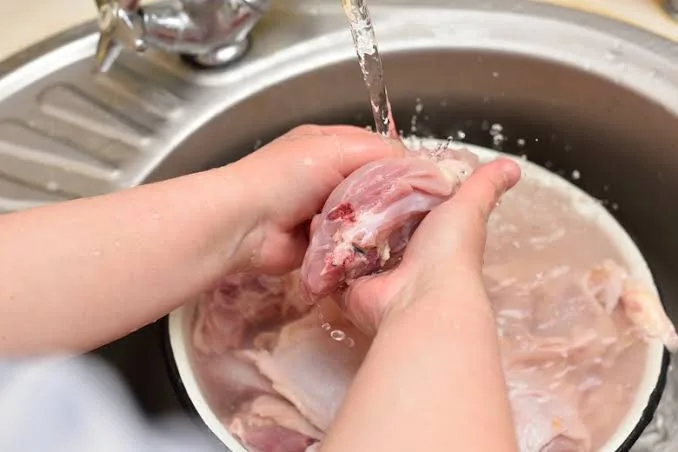

The key point, experts emphasise, is that water does not kill bacteria. Proper cooking at the right temperature is the only effective way to eliminate harmful microbes present in chicken. Cooking poultry thoroughly ensures that it becomes safe for consumption, regardless of whether it was washed beforehand.
Dr Chawla noted that many people wash chicken to remove visible impurities such as blood clots, small feathers or bone fragments. While these concerns are understandable, he suggested safer alternatives. Instead of rinsing under a tap, such impurities can be trimmed off or wiped using a tissue.
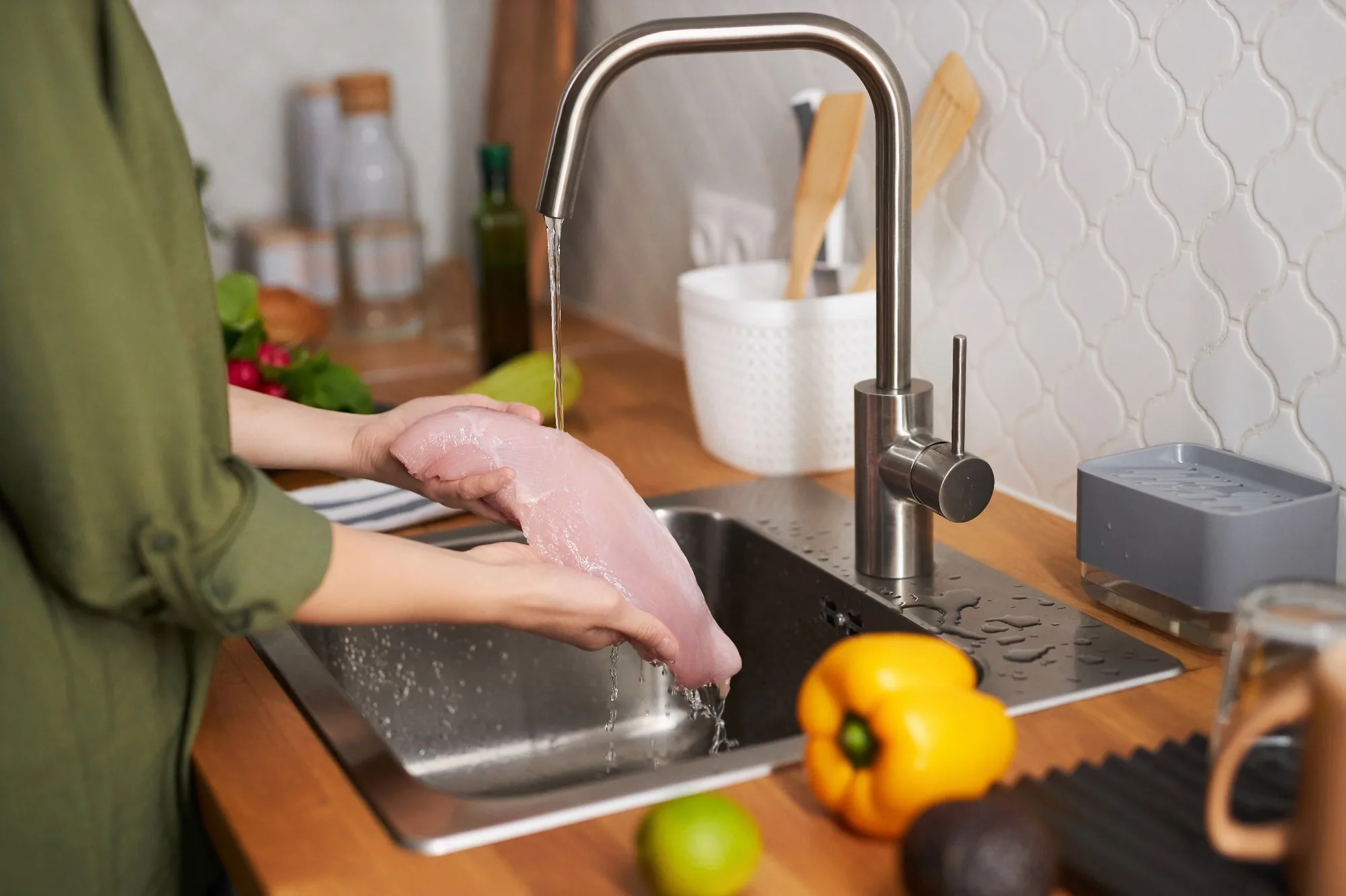

For those who still prefer washing, he recommended avoiding direct exposure to running water. Instead, the chicken can be gently rinsed in a bowl without causing splashes. Even then, it is essential to thoroughly clean hands, utensils and kitchen surfaces afterwards to prevent contamination.
The broader concern, experts say, is cross-contamination, which is a leading cause of foodborne illness. Studies have shown that washing raw poultry can transfer bacteria through water droplets, increasing the likelihood of infection if these microbes come into contact with other foods or surfaces.
Despite these warnings, the practice remains common in many households, often driven by the perception that washing improves cleanliness or removes odour. However, experts reiterate that these benefits are largely cosmetic and do not enhance food safety.
Instead, maintaining hygiene during food preparation is more effective. This includes washing hands after handling raw meat, using separate cutting boards for poultry, and sanitising surfaces that come into contact with raw chicken.