
 Snehashish roy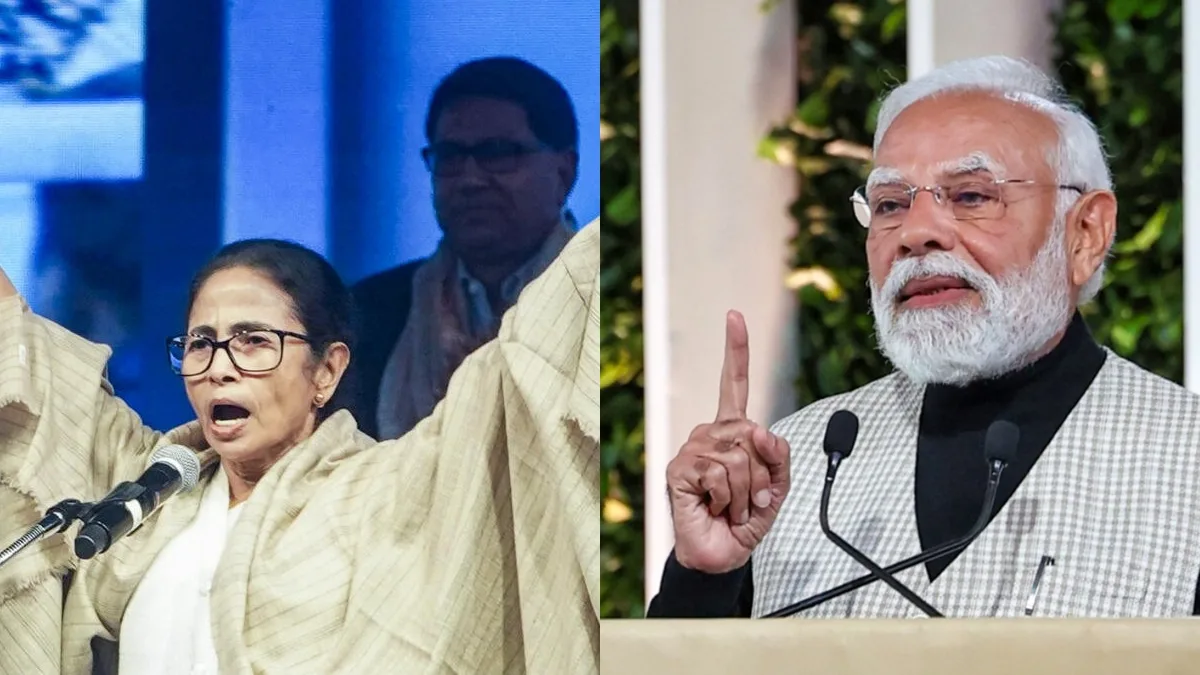
As West Bengal heads into a crucial Assembly election, the Bharatiya Janata Party (BJP) finds itself in a familiar but increasingly uncomfortable position: strong in narrative, visible in national politics, yet still searching for a stable and effective electoral formula within the state. Unlike the Trinamool Congress (TMC), which relies on a deeply entrenched grassroots structure and welfare-driven political economy, the BJP is attempting a different approach. It is aggressively experimenting with contemporary faces—celebrities, activists, symbolic candidates and outsiders—to challenge Mamata Banerjee’s dominance.
This strategy reflects both ambition and limitation. While the BJP seeks to disrupt TMC’s hold through high-visibility candidates, it simultaneously exposes the party’s organisational gaps in Bengal. The result is a political gamble that could either broaden the BJP’s appeal or deepen its internal fractures.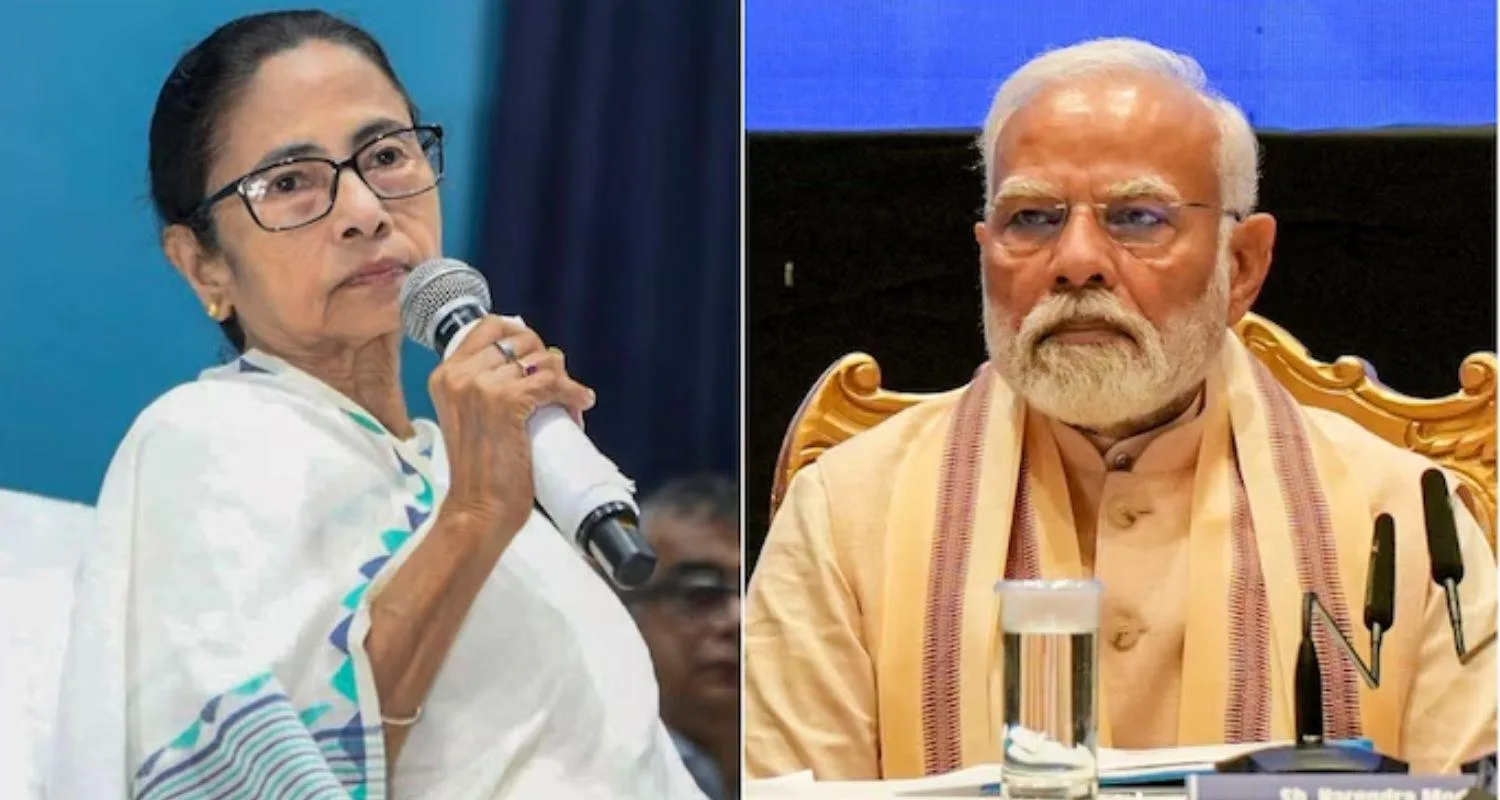
The Turn to Contemporary Faces
One of the most striking features of BJP’s current strategy is its reliance on non-traditional political entrants. The induction of tennis star Leander Paes into the party ahead of the elections is emblematic of this approach. Similarly, the party has fielded symbolic candidates such as the mother of the RG Kar hospital victim, projecting her candidature as a moral counterpoint to alleged governance failures.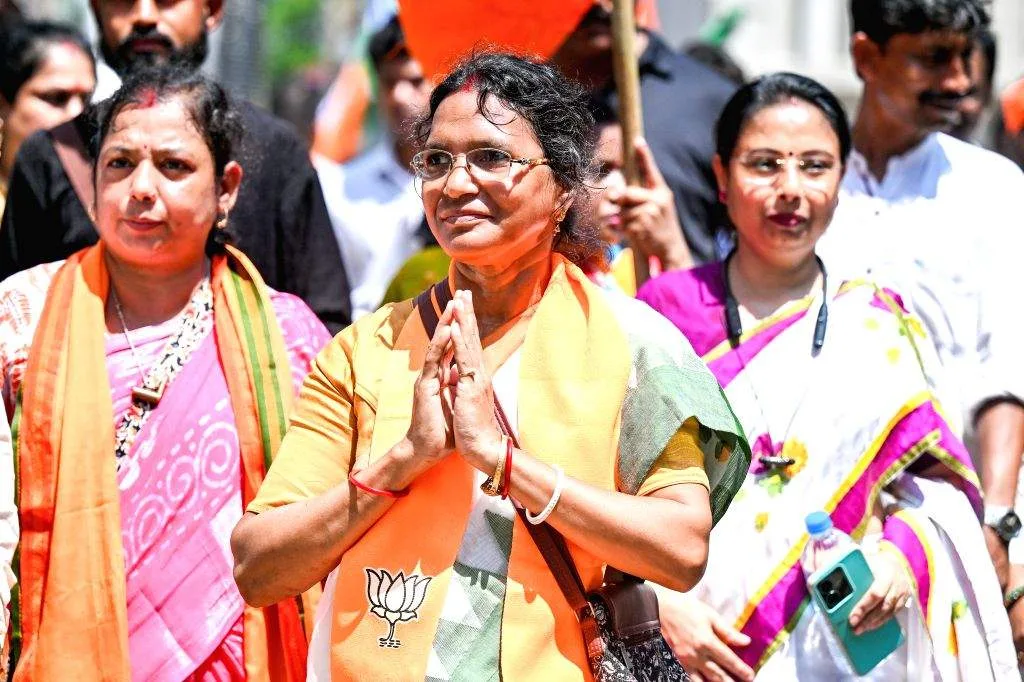
These moves are not isolated. The BJP has increasingly turned to figures from sports, civil society and high-profile public life to build its candidate base. This “celebrity and symbolic candidate” strategy serves multiple purposes. It generates media attention, creates instant recall value and allows the party to frame elections around emotional narratives rather than organisational strength.
In a state where Mamata Banerjee has successfully combined welfare politics with emotional mobilisation, the BJP appears to be attempting a parallel model—one that relies on symbolic capital rather than grassroots penetration.
A Response to TMC’s Welfare Dominance
The BJP’s strategy cannot be understood in isolation from the TMC’s political model. Mamata Banerjee’s governance has been anchored in welfare schemes that directly benefit large sections of the population. Programmes such as cash transfers to women, support for students and targeted benefits for rural households have created a durable voter base that is difficult to dislodge through conventional political campaigning.
Faced with this entrenched system, the BJP’s reliance on contemporary faces can be seen as an attempt to bypass traditional political pathways. Instead of competing head-on with TMC’s welfare network, the party is trying to create alternative narratives—of injustice, aspiration, celebrity appeal and moral authority.
However, the effectiveness of this strategy depends on whether symbolic candidates can translate visibility into votes.
The Organisational Deficit Beneath the Strategy
While the induction of high-profile candidates generates immediate attention, it also highlights a deeper structural issue within the BJP’s Bengal unit: the lack of a sufficiently strong local leadership pipeline.
Unlike the TMC, which has built a dense network of local leaders over decades, the BJP’s organisational expansion in Bengal remains uneven. Its rise since 2019 has been rapid but not deeply institutionalised. In many constituencies, the party lacks candidates with both local credibility and electoral experience.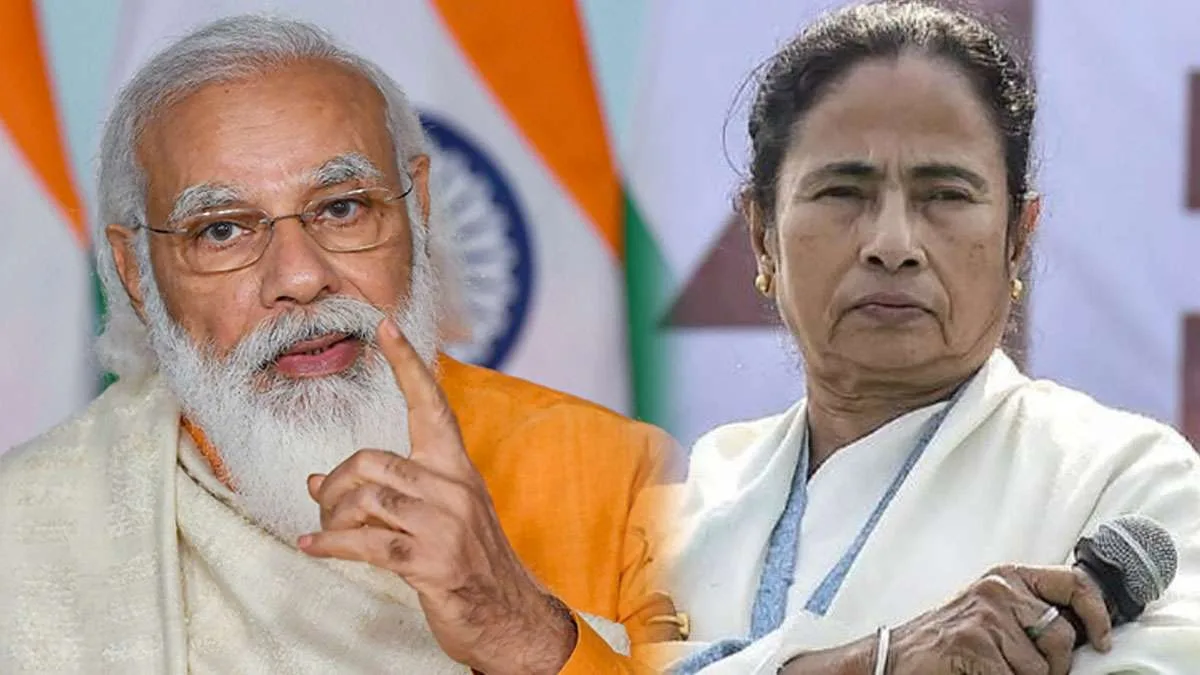
The turn to contemporary faces is therefore not just a strategic choice but also a necessity. It fills a gap created by the absence of strong, homegrown leaders capable of challenging TMC’s dominance at the constituency level.
The Cost of Ignoring Loyalists
This strategy, however, comes with significant internal costs. The decision to field outsiders and new entrants has triggered resentment among long-time party workers and loyalists who feel sidelined.
Instances of discontent have already surfaced. Leaders such as Rinku Majumdar have openly voiced dissatisfaction over being denied tickets despite years of association with the party. Reports of rebellion and internal friction suggest that the BJP’s candidate selection process is creating cracks within its organisational structure.
For a party still building its base in Bengal, this discontent is particularly risky. Loyal workers are the backbone of election campaigns, especially in a state where booth-level mobilisation is critical. Alienating them could weaken the BJP’s ground game at a time when it needs maximum organisational cohesion.
The Perception Problem Among Voters
Beyond internal dynamics, the BJP’s strategy also raises questions about voter perception.
The introduction of celebrity candidates and symbolic figures can create initial enthusiasm, but it may also lead to scepticism among voters. In a state like Bengal, where political consciousness is relatively high and voters often value ideological and organisational credibility, parachuting candidates into constituencies can be perceived as opportunistic.
Voters may question whether such candidates have a genuine understanding of local issues or a long-term commitment to the constituency. This perception becomes particularly problematic when contrasted with TMC’s network of local leaders who are deeply embedded in their communities.
Moreover, symbolic candidates, while emotionally compelling, may not always possess the political skills required to navigate complex electoral dynamics.
The “Cricketisation” of Politics and Its Limits
The BJP’s strategy has also been described as the “cricketisation” or “celebrification” of politics, with former athletes and public figures entering the electoral fray. While such moves generate headlines, their electoral impact remains uncertain.
Celebrity candidates often struggle to convert popularity into political support. Fame does not automatically translate into trust or credibility in governance. In many cases, voters differentiate between admiration for a public figure and confidence in their ability to represent political interests.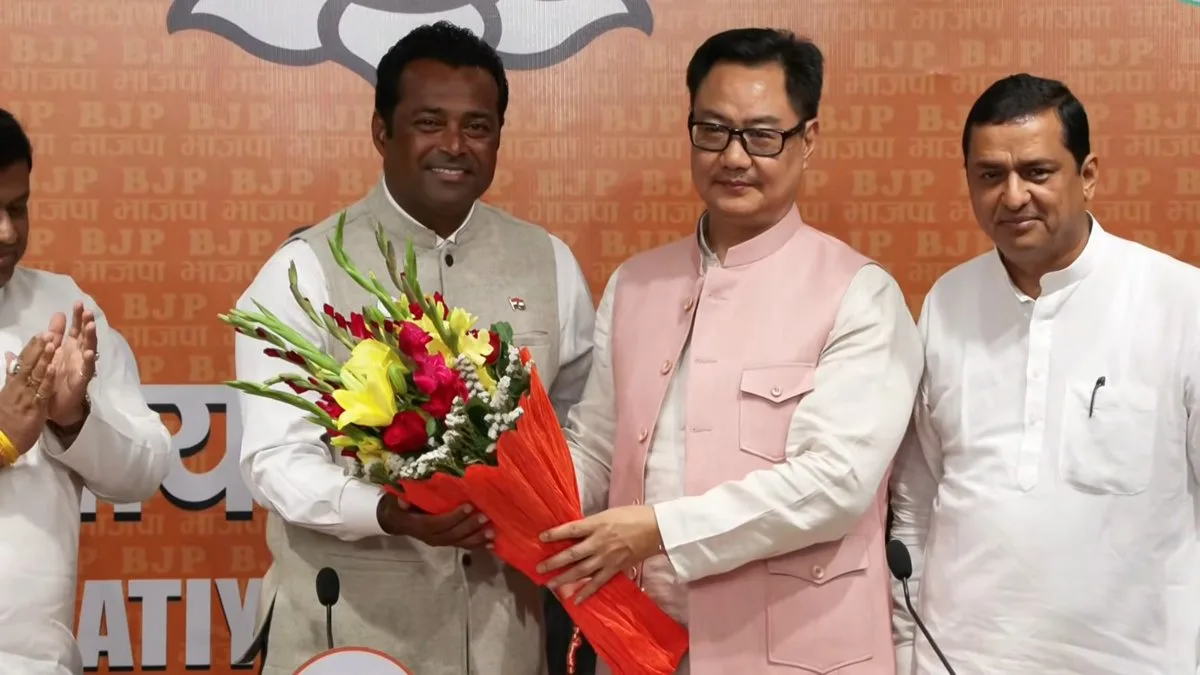
In Bengal, where elections are intensely competitive and politically charged, this gap between visibility and credibility becomes even more pronounced.
Does the Strategy Give BJP an Edge?
The key question is whether the BJP’s reliance on contemporary faces provides a tangible electoral advantage.
In the short term, the strategy offers clear benefits. It helps the party dominate media narratives, attract attention in key constituencies and create emotional hooks that can resonate with certain voter segments. It also allows the BJP to present itself as a party open to new voices and fresh perspectives.
However, these advantages are largely superficial. Elections in Bengal are not won solely through visibility; they require sustained grassroots engagement, booth-level organisation and the ability to mobilise voters on polling day.
In these areas, the TMC continues to hold a significant advantage.
The Risk of Strategic Overreach
The BJP’s approach also risks strategic overreach. By focusing heavily on symbolic and high-profile candidates, the party may be neglecting the slow, painstaking work of building a durable organisational base.
This imbalance could prove costly in the long run. Even if the strategy yields marginal gains in certain constituencies, it may not be sufficient to produce a statewide electoral shift.
Moreover, internal dissent caused by ticket distribution could further weaken the party’s ability to mount a cohesive campaign.
Impact on Constituents and Electoral Behaviour
For voters, the BJP’s candidate strategy creates a mixed picture. On one hand, new faces and high-profile entrants can inject freshness into the political landscape and attract interest. On the other hand, the sidelining of local leaders may create a disconnect between candidates and constituents.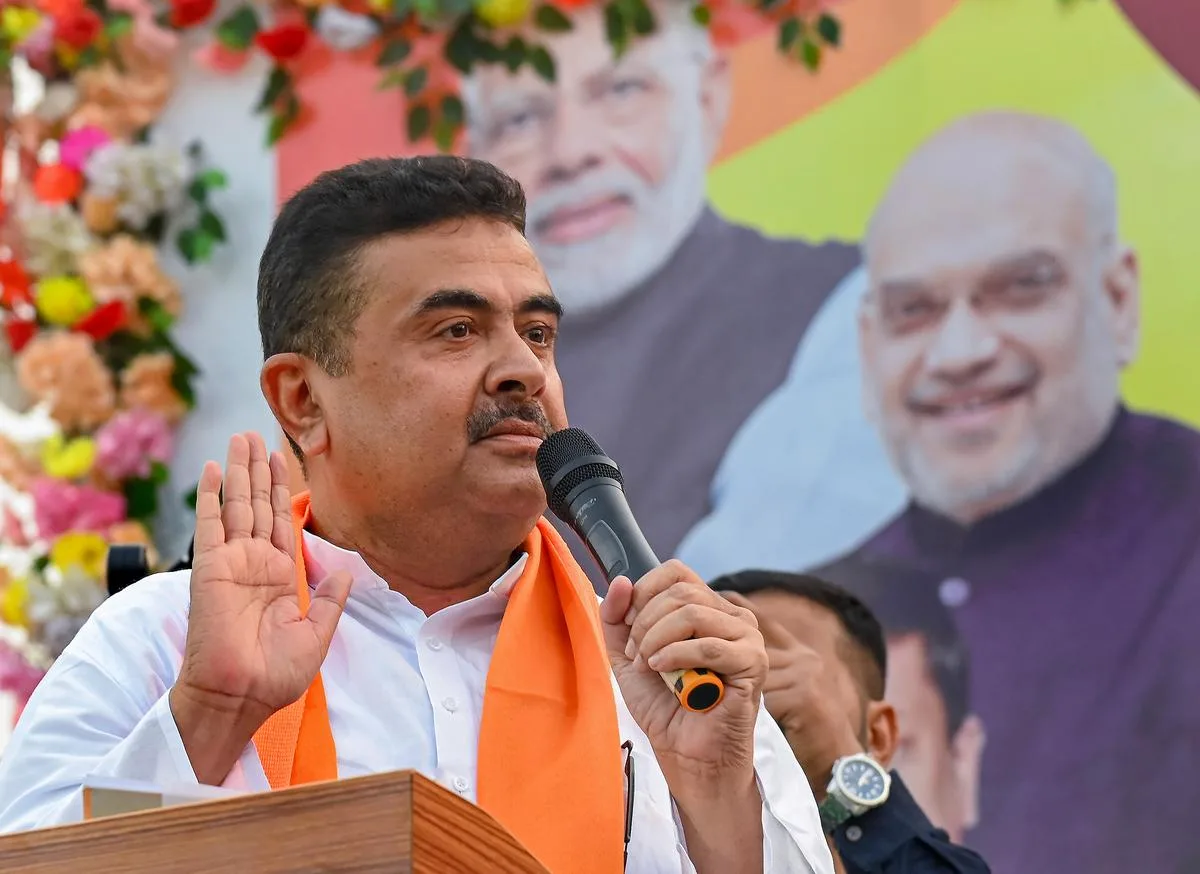
In constituencies where loyal BJP workers feel alienated, there is a risk of reduced campaign intensity or even silent rebellion. Such dynamics can significantly influence electoral outcomes, especially in closely contested seats.
Additionally, voters who prioritise local representation may gravitate toward candidates with established community ties rather than externally introduced figures.
TMC’s Counter Advantage
The TMC, meanwhile, benefits indirectly from the BJP’s strategy. By maintaining a stable organisational structure and relying on established local leaders, it can project continuity and reliability.
Mamata Banerjee’s welfare-driven governance further reinforces this advantage, creating a strong incentive for voters to stick with the status quo.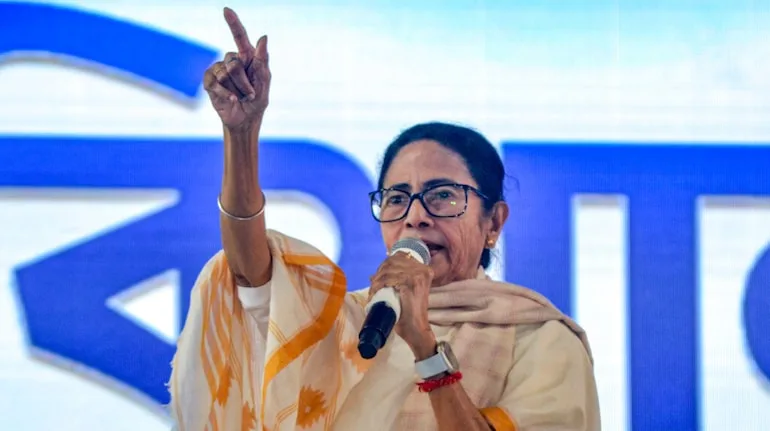
In contrast, the BJP’s experimental approach may appear inconsistent or opportunistic, particularly if it fails to deliver a coherent narrative at the grassroots level.
Conclusion: A High-Risk, Uncertain Strategy
The BJP’s attempt to pit contemporary faces against the TMC’s entrenched political machinery reflects both innovation and desperation. It is an effort to break into a political ecosystem that has so far resisted its expansion.
However, the strategy is inherently high-risk. While it may generate short-term visibility and excitement, it also exposes organisational weaknesses, alienates loyal workers and creates uncertainty among voters.
In a state where elections are won through deep-rooted networks and sustained engagement, the BJP’s reliance on symbolic and celebrity candidates may not be enough to tilt the balance.
Ultimately, the success or failure of this approach will depend on whether the party can complement its high-profile candidates with strong grassroots mobilisation.
Without that, the strategy risks becoming more spectacle than substance—one that may attract attention but fail to deliver electoral victory.