
 Gunjan Chaudhary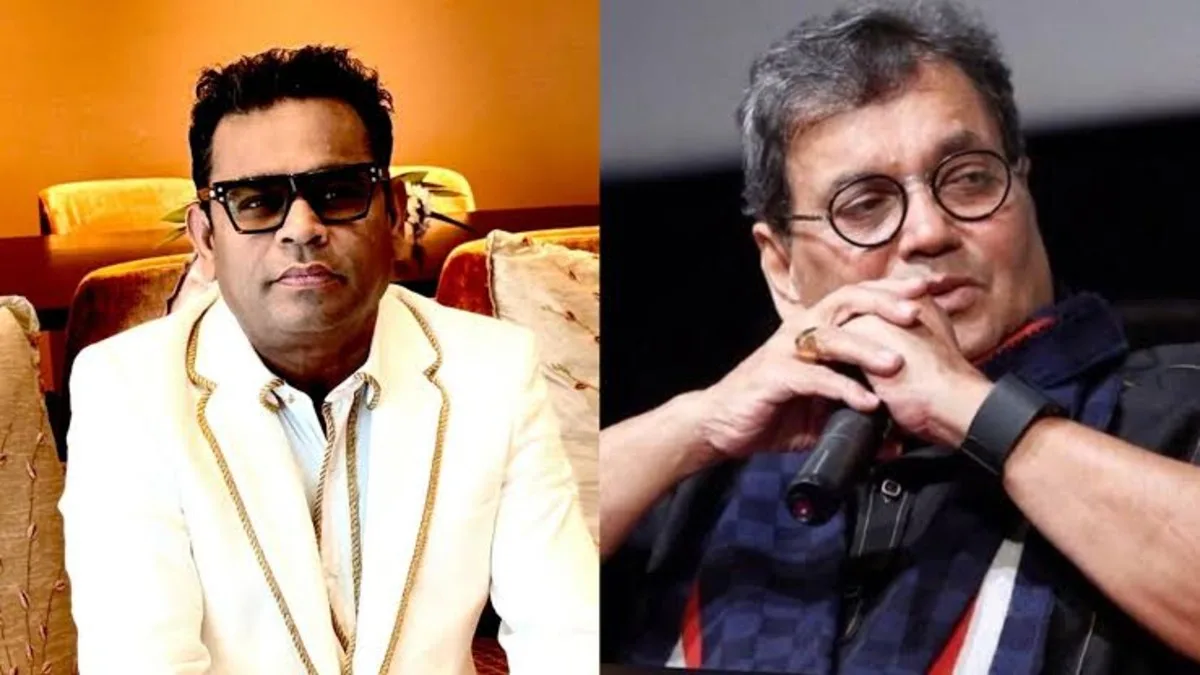
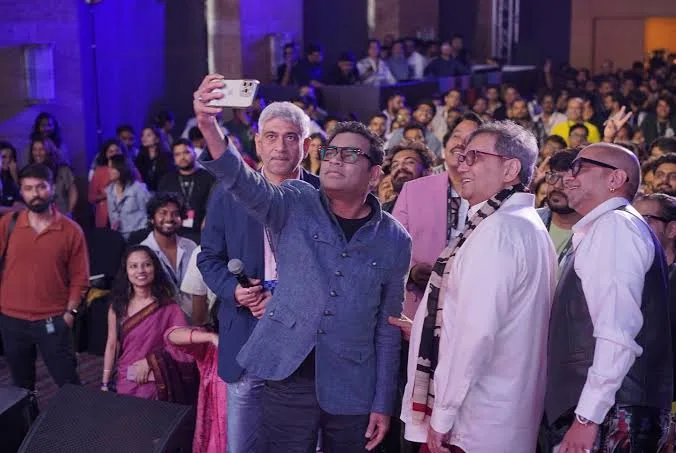
Oscar-winning music composer AR Rahman recently sparked a major debate after making a statement about communalism in the Hindi film industry. His remarks led to a strong reaction from both fans and celebrities across the industry. Now, veteran filmmaker Subhash Ghai has shared his views on the controversy and dismissed the allegations, calling it an old and ongoing issue in society. In a conversation with one of the media houses, Subhash Ghai addressed the question of whether the film industry, despite being considered progressive, is affected by communal divisions.
Subhash Ghai
Subhash Ghai Responds To AR Rahman Controversy
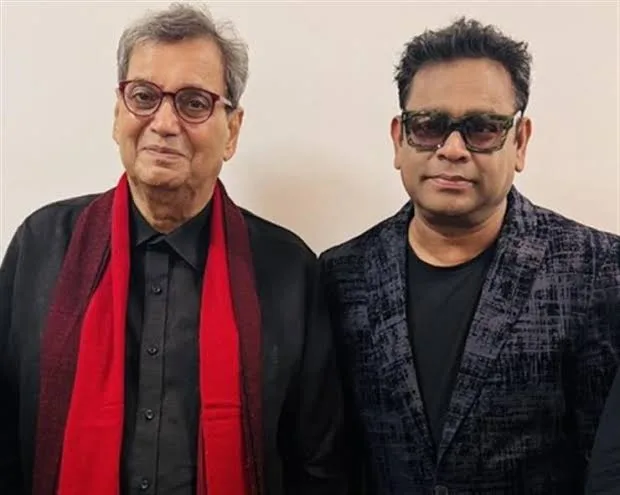
The filmmaker responded by stating that such issues have existed for decades and are not limited to the entertainment industry alone. He said that those who remain focused on their work are rarely affected by such debates, while discussions around communal sentiments tend to surface repeatedly over time. Sharing his personal experiences, Subhash Ghai explained that communal issues were present throughout different phases of his life.
Subhash Ghai
“Look, I was born in Nagpur. I did my schooling in Delhi. We lived in Chandni Chowk. This problem existed even when I was in the 8th grade. This problem persisted even when I went to college, and it was still present when I came to Mumbai,” he said. According to Ghai, communal harmony, unrest, riots, and even unemployment are topics that have been discussed for many years and will continue to be debated in the future.
Subhash Ghai
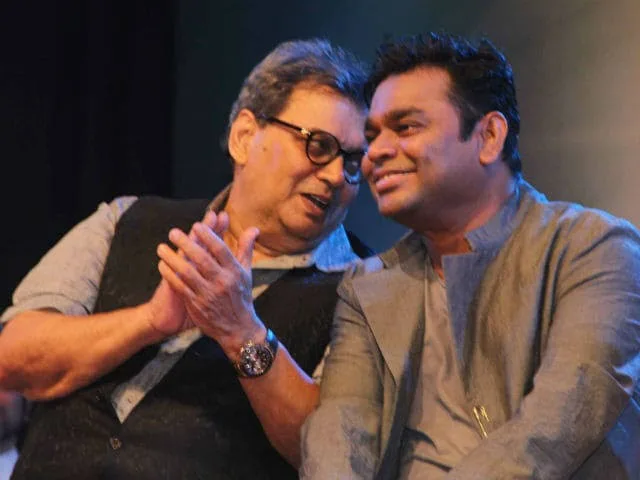
The veteran filmmaker also urged people not to misinterpret or overanalyze statements made by artists. He emphasized that creative professionals who are serious about their craft remain unaffected by such controversies. “Don’t make a big issue out of trying to understand the meaning of someone’s statement. Those who are masters of their craft remain unaffected and focus on their work. Those who want to play politics are simply doing that,” Subhash Ghai added.
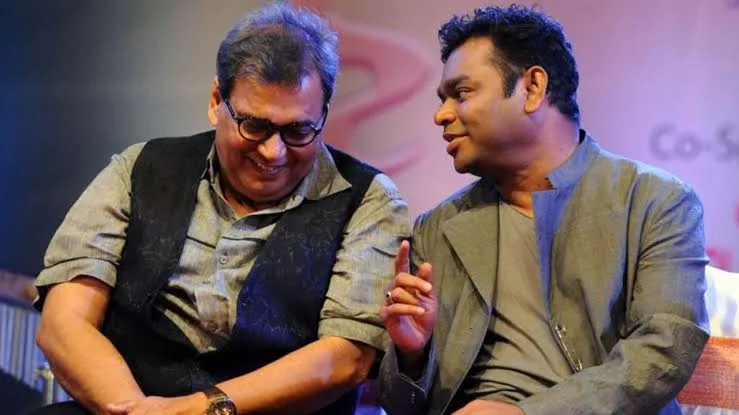
AR Rahman
AR Rahman, while speaking about the current state of the Hindi film industry, had remarked that decision-making power now often lies with people who lack creativity. He also hinted at communal bias, though clarified that it was not something he had personally faced. “Nowadays, those who are not creative have the power to make decisions. And this has probably been a communal issue as well, but not in front of me,” Rahman had said.