
 Snehashish roy
A new relationship trend known as “divorce dust” is gaining traction online, with women reportedly using body glitter as a subtle way to expose partners who may be hiding existing relationships. The concept has sparked widespread curiosity across social media platforms, where users are discussing whether the unconventional tactic is clever or simply another viral experiment in modern dating culture.
The trend centres on a simple idea. Women apply glitter or shimmering body products before meeting someone romantically. Because glitter tends to stick to clothing, hair, and skin and is difficult to remove completely, the theory suggests that traces transferred to a partner may later raise questions if they return home to someone else. Supporters claim the method relies on the visible and persistent nature of glitter rather than confrontation or digital surveillance.
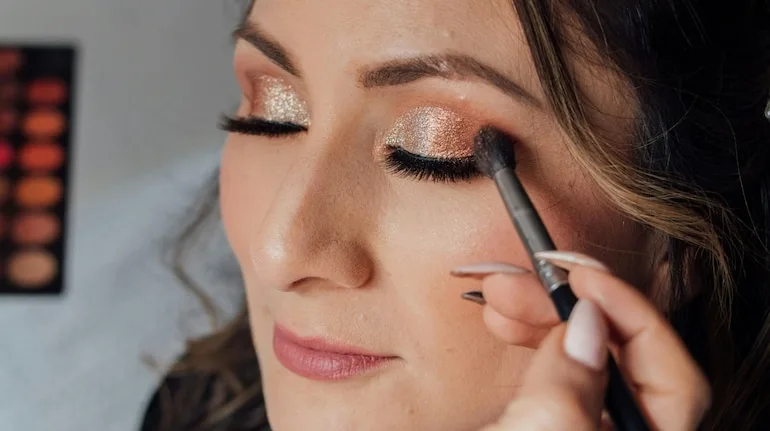
According to reports, the idea gained momentum through short-form videos and online discussions, where users framed it as a “low-effort loyalty test.” The appeal lies partly in its simplicity. Unlike more direct tactics such as checking devices or using tracking apps, the glitter method is presented as indirect and non-confrontational. The assumption is that unexplained sparkles on clothing or personal items could trigger awkward conversations, potentially exposing secret relationships.
Social media commentary has described divorce dust as symbolic rather than scientific. Advocates say it reflects frustrations with contemporary dating, where individuals worry about hidden commitments or dishonesty. Some users view it as a humorous but pointed response to trust issues, particularly among younger dating communities navigating situationships and casual relationships.

However, critics argue that the trend raises ethical questions. Relationship experts caution that relying on indirect “tests” can create mistrust or misunderstandings rather than encouraging honest communication. Others point out that glitter transfers easily in many environments, making it an unreliable indicator of wrongdoing. Without context, visible traces may lead to false assumptions or unnecessary conflict.
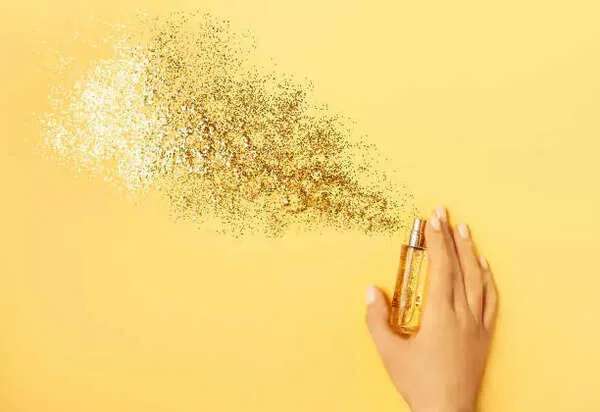
The phenomenon also highlights the broader role of social media in shaping dating behaviours. Viral hacks and relationship experiments often spread quickly online, turning everyday objects into tools for perceived problem-solving. Trends like divorce dust frequently blend humour with genuine concerns about loyalty, communication, and transparency.

Some observers note that similar online movements have emerged in response to changing dating norms, including forums where people share information about partners or discuss warning signs of dishonesty. Divorce dust appears to be another example of how users creatively reinterpret everyday items to address emotional challenges in relationships.