
 Snehashish roy
The long-held belief that heavy lifting is the only path to building muscle is increasingly being challenged by fitness experts and emerging research. According to trainers and sports science professionals, muscle growth is possible even with lighter weights, provided workouts are structured with proper intensity, consistency, and technique. However, experts also stress that there is a key caveat: lighter weights must still challenge the muscles enough to stimulate adaptation.
Muscle growth, or hypertrophy, occurs when muscle fibres experience sufficient stress during resistance training. Traditionally, this stress was associated with lifting heavy loads for fewer repetitions. But recent findings suggest that lighter weights performed with higher repetitions can produce similar muscle-building results if the sets are taken close to muscular fatigue. This means that the muscle needs to feel significantly challenged by the end of a set, regardless of the weight used.
Fitness professionals emphasise that “training to failure” or near-failure is essential when using lighter weights. Simply performing casual, low-effort repetitions without pushing the muscle to fatigue is unlikely to produce meaningful results. When muscles are exposed to sustained tension through controlled repetitions, they recruit more fibres, triggering growth even without heavy resistance.
One advantage of lighter weight training is reduced risk of injury, particularly for beginners, older individuals, or those recovering from physical strain. Using manageable loads allows people to focus on correct form, controlled movement, and mind-muscle connection, all of which are crucial for effective strength training. Experts point out that many gym-goers compromise form while lifting heavy weights, which may increase injury risk and reduce training effectiveness.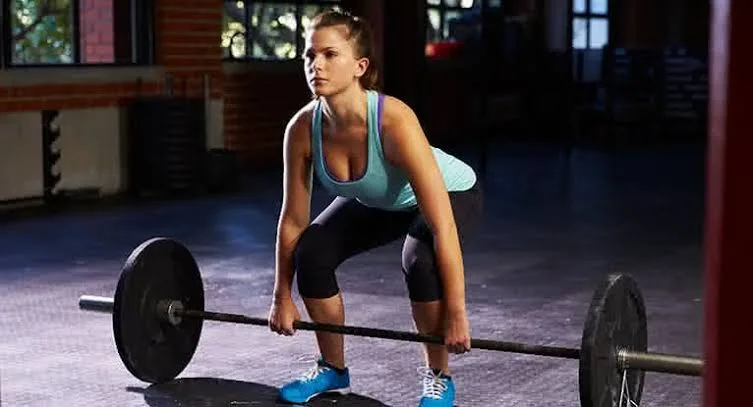
Another factor is accessibility. Not everyone has access to heavy gym equipment, and lighter resistance options such as resistance bands, bodyweight exercises, or smaller dumbbells can still deliver results when used properly. For individuals training at home or those new to fitness, this approach makes strength training more approachable and sustainable.
However, experts caution that lighter weight training may require longer sessions or higher repetition ranges to achieve similar levels of muscle fatigue compared to heavy lifting. Progressive overload remains critical, meaning that workouts should gradually become more challenging over time. This can be achieved by increasing repetitions, improving tempo, reducing rest intervals, or slowly increasing resistance.
Heavy lifting still has unique benefits, particularly in building maximal strength and improving bone density. Advanced athletes or those aiming for powerlifting or performance-based goals may continue to rely on heavier loads as part of their training strategy. As a result, many trainers recommend a balanced approach that combines both heavy and lighter resistance depending on individual goals, fitness levels, and physical condition.