
 Snehashish roy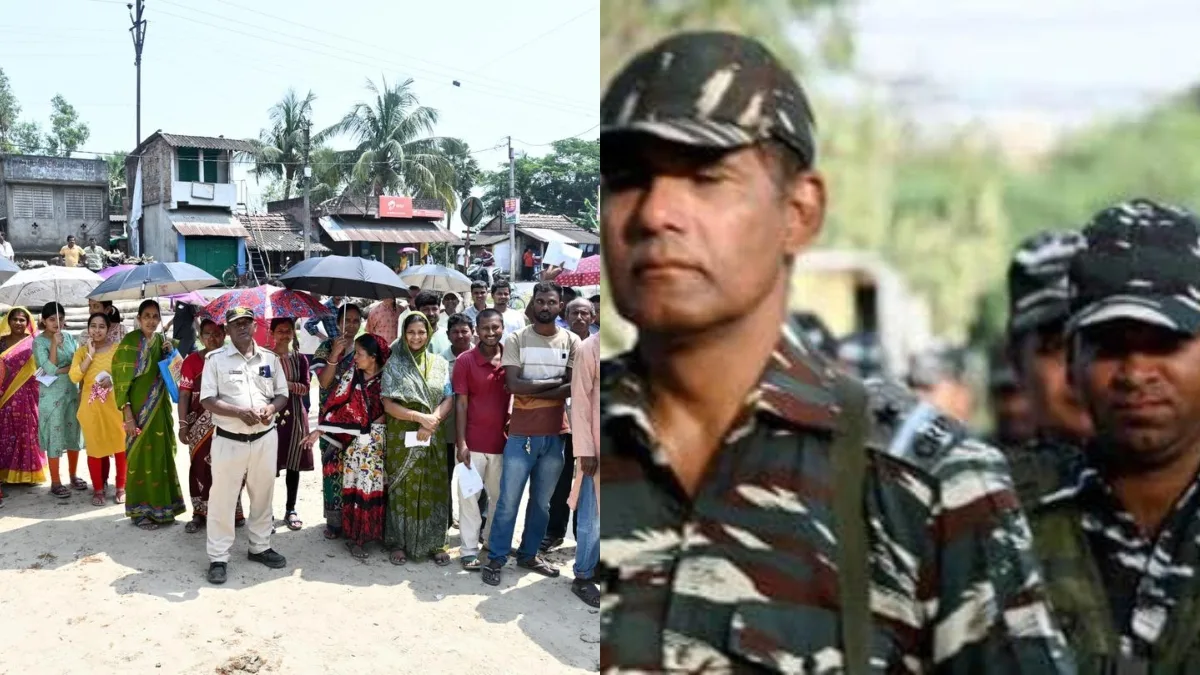
West Bengal’s 2026 Assembly elections are unfolding under one of the heaviest security deployments in India’s electoral history. With nearly 2.4 lakh personnel from Central Armed Police Forces (CAPF), translating to around 2,000–2,500 companies per phase, the state resembles a fortified zone rather than a routine democratic theatre.
Yet, despite this unprecedented presence, incidents of violence continue to surface across districts. Clashes, crude bomb attacks, and allegations of voter intimidation have already been reported in constituencies such as Murshidabad, reinforcing a long-standing paradox: Bengal’s elections are among the most heavily policed in the country, yet violence appears structurally embedded in the process.
This contradiction raises deeper questions. If security is at its peak, why does violence persist? And more importantly, who pays the price?
Violence as a Structural Feature, Not an Exception
To understand the persistence of poll violence in Bengal, one must move beyond the idea of episodic clashes and recognise it as a systemic phenomenon.
Electoral violence in the state is not new. From the allegations of rigging and “semi-fascist terror” in the 1970s to post-poll killings in 2021 and widespread violence during the 2023 panchayat elections, Bengal’s political landscape has long been marked by confrontation.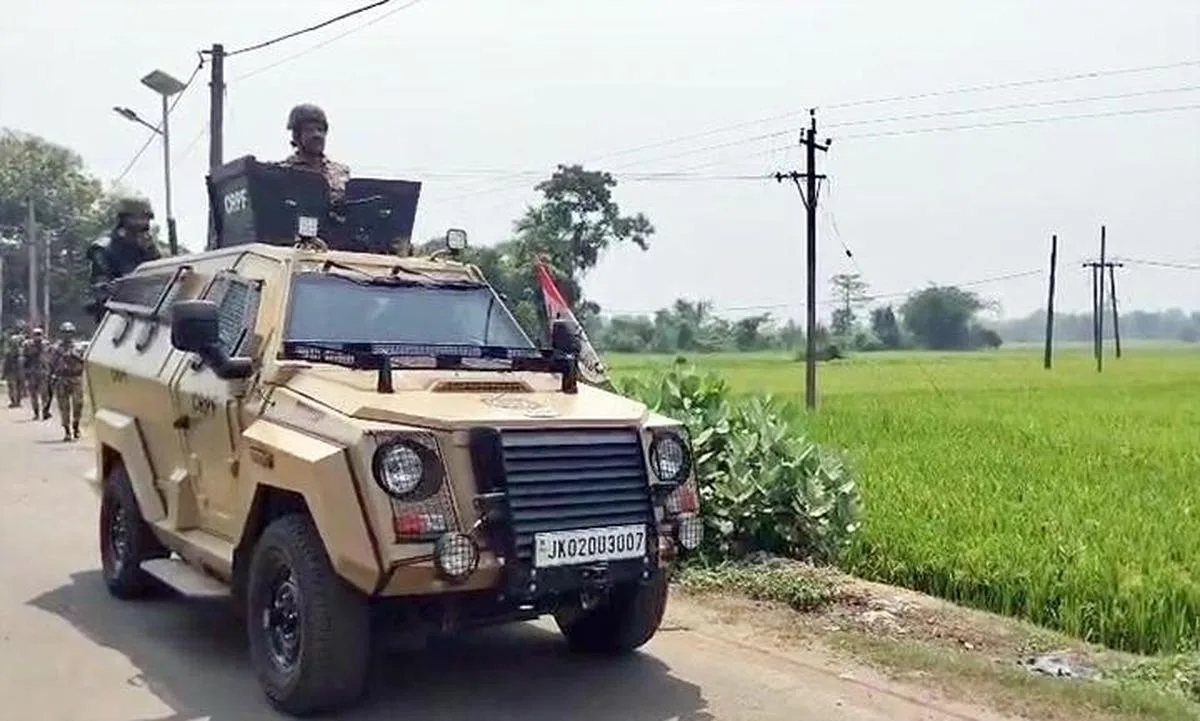
In many ways, elections in Bengal are not just contests for power but moments of territorial assertion. Political control often translates into control over local resources, welfare distribution, and social authority. This makes elections existential battles at the grassroots level, where losing is not merely political defeat but a loss of livelihood, protection, and influence.
In such an environment, violence is not an aberration. It is a tool.
Why CAPF Deployment Has Become the Default
The scale of CAPF deployment reflects the Election Commission’s acknowledgment of this reality. Central forces are tasked with securing polling booths, conducting route marches, and acting as rapid response units in sensitive areas.
Over 8,000 booths have been classified as “super sensitive,” indicating a high risk of violence or intimidation.
The logic behind this deployment is straightforward. State police are often viewed with suspicion by opposition parties, leading to demands for neutral central forces. CAPF personnel are expected to act as impartial enforcers, ensuring that voters can exercise their franchise without fear.
In theory, this should reduce violence.
In practice, it only contains it.
Containment, Not Elimination
The presence of central forces does not eliminate the underlying causes of violence. It merely shifts its form and timing.
Violence often occurs in the run-up to polling, during nomination phases, or immediately after results—moments when security presence is either limited or stretched thin. Even during polling, clashes can erupt in pockets before forces can intervene.
Moreover, the very need for such heavy deployment underscores a deeper institutional crisis: a lack of trust in local law enforcement and political actors.
When elections require military-scale security, it signals that the democratic process itself is under strain.
The Optics of Militarisation
The visual of thousands of armed personnel patrolling streets, guarding booths, and conducting area domination exercises creates a powerful image—but not necessarily a reassuring one.
For many voters, especially in rural and marginalised communities, this environment can feel intimidating rather than protective. The presence of armed forces may deter overt violence, but it also transforms the act of voting into a tense, heavily monitored experience.
Critics have described this as a “military-style” election, where security overshadows the democratic spirit.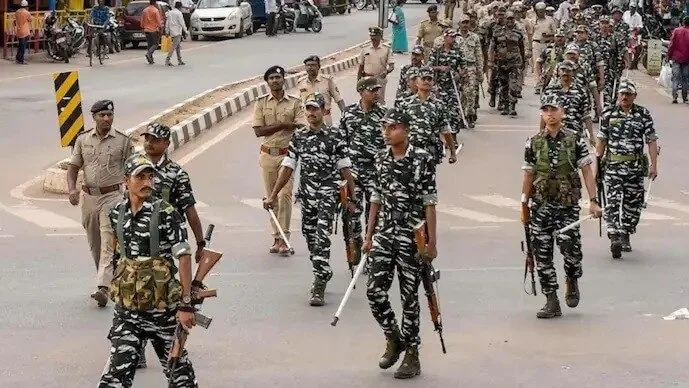
This raises an uncomfortable question: can an election truly be free if it feels like a conflict zone?
The Burden on the Poor and Marginalised
While political parties and leaders dominate headlines, it is the poor and marginalised who bear the brunt of electoral violence.
Historically, victims of poll violence in Bengal have often been grassroots workers, daily wage earners, and residents of economically vulnerable areas. These are individuals whose lives are deeply intertwined with local political structures.
For them, elections are not abstract exercises in democracy. They are high-risk periods where allegiance—or even perceived neutrality—can have life-threatening consequences.
Violence disrupts livelihoods. Shops shut down, daily work halts, and mobility is restricted. In many cases, families lose their primary breadwinners to political clashes.
The cost is not just physical but economic and psychological.
Voter Intimidation and Silent Disenfranchisement
Even when violence does not result in casualties, its presence creates an atmosphere of fear.
Voters in sensitive areas may choose to stay away from polling booths, effectively disenfranchising themselves. Others may feel compelled to vote under pressure, undermining the principle of free choice.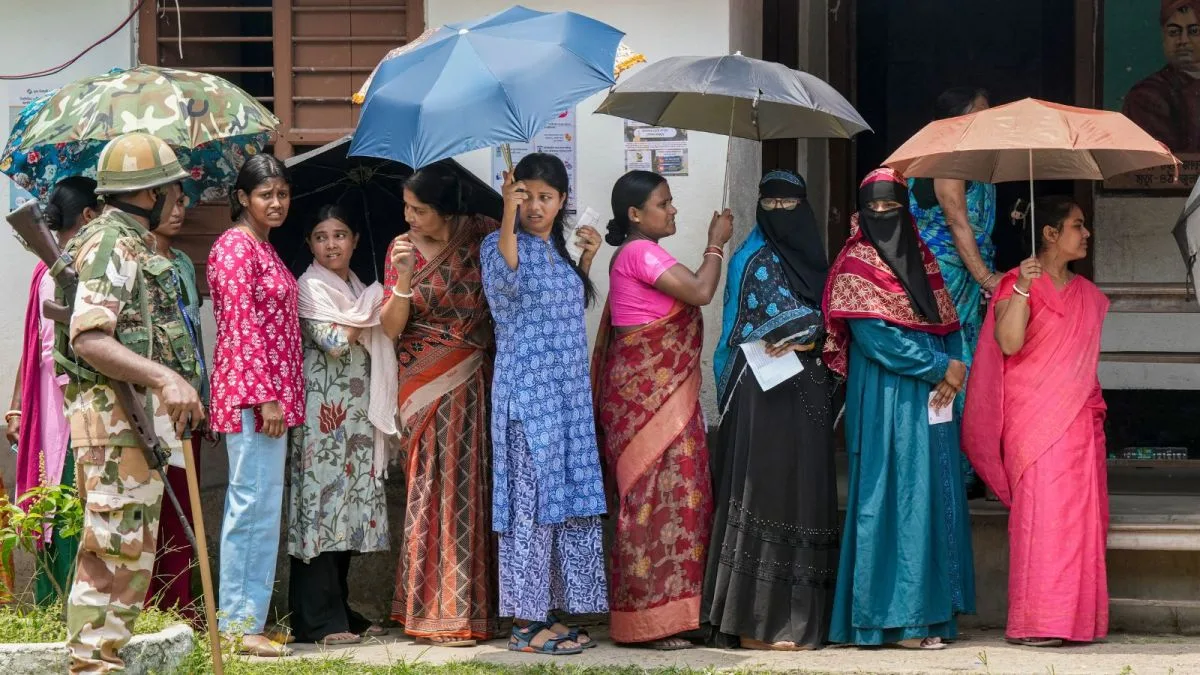
CAPF deployment aims to counter this by ensuring safe access to polling stations. However, its effectiveness is uneven. In remote or densely populated areas, forces cannot be present everywhere at once.
As a result, intimidation often operates in the shadows—subtle, localised, and difficult to detect.
Political Incentives Behind Violence
Another critical factor is the role of political incentives.
In highly competitive constituencies, even small margins can determine outcomes. This creates incentives for parties to control turnout, influence voter behaviour, or disrupt opposition strongholds.
Violence becomes a means to achieve these ends.
While all major parties publicly condemn violence, the persistence of such incidents suggests that it remains embedded in the political ecosystem.
Until these incentives are addressed, security measures alone will have limited impact.
The Paradox of Security as a Political Tool
The deployment of central forces is itself not free from political interpretation.
For the opposition, CAPF presence is often seen as a safeguard against state machinery. For the ruling party, it can be perceived as external interference.
This dual perception complicates the role of security forces. Instead of being viewed as neutral actors, they become part of the political narrative.
In such a scenario, even genuine efforts to ensure fairness can be interpreted through partisan lenses.
Does Heavy Deployment Benefit the Voter?
From a purely functional perspective, CAPF deployment does provide certain benefits.
It reduces large-scale booth capturing, deters open clashes, and ensures quicker response to incidents. It also boosts confidence among some sections of voters who might otherwise feel unsafe.
However, these benefits are unevenly distributed.
In areas with a strong security presence, voters may feel protected. In others, the absence or delayed arrival of forces can leave them vulnerable.
Moreover, the broader atmosphere of tension and surveillance can discourage participation, particularly among those already marginalised.
Thus, while CAPF deployment is necessary, it is not sufficient.
A Cycle That Reinforces Itself
Perhaps the most troubling aspect of Bengal’s electoral violence is its cyclical nature.
Violence leads to increased security deployment. Increased deployment creates perceptions of militarisation. These perceptions fuel political narratives, which in turn heighten tensions, leading to further violence.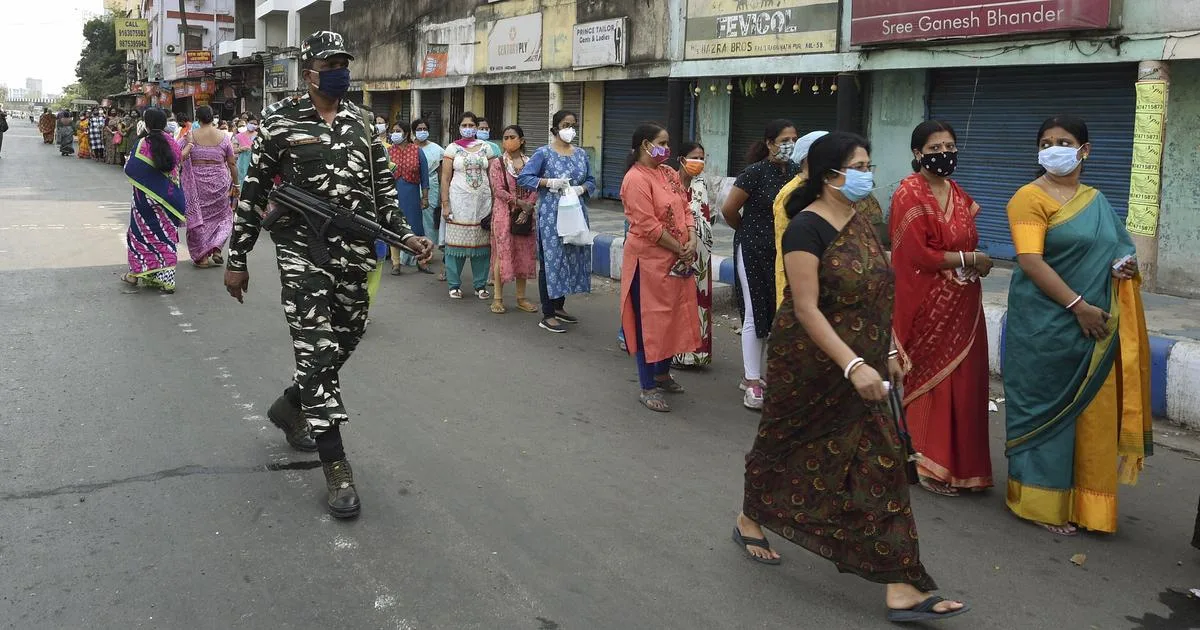
Breaking this cycle requires more than just security measures. It requires rebuilding trust—between political parties, institutions, and voters.
The Larger Democratic Question
At its core, the persistence of poll violence in Bengal raises fundamental questions about the nature of democracy.
Can an election be considered free and fair if it requires extraordinary security measures? Can voter choice be truly independent in an environment of fear and intimidation?
The answers are not straightforward.
Democracy is not just about the act of voting. It is about the conditions under which voting takes place.
In Bengal, those conditions remain deeply contested.
Security Without Structural Change
The deployment of thousands of CAPF personnel in West Bengal reflects a serious attempt to safeguard the electoral process. But it also highlights the limitations of a security-centric approach.
Violence persists because its roots lie not in the absence of policing but in the political, social, and economic structures that shape electoral competition.
For the poor and marginalised, elections remain periods of heightened vulnerability. They are the ones who face the immediate consequences—lost livelihoods, physical harm, and psychological trauma.
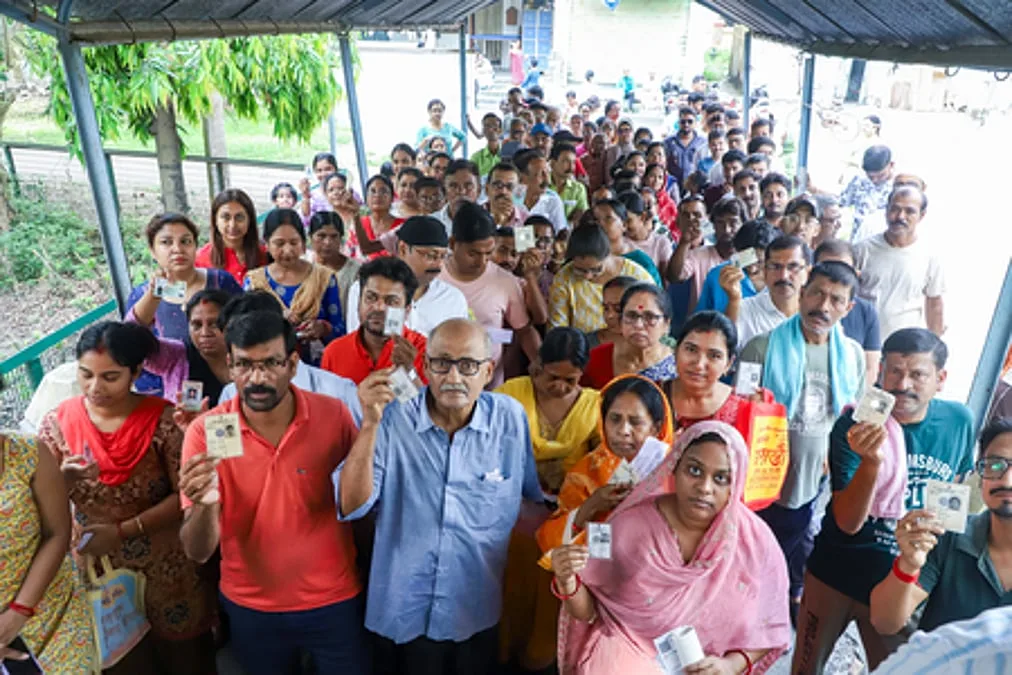
Until the structural drivers of violence are addressed, CAPF deployment will continue to function as a band-aid solution—necessary, visible, but ultimately insufficient.
In Bengal, democracy is not just being contested at the ballot box. It is being negotiated on the streets. And too often, it is the most vulnerable who pay the highest price.