
Author Harinder Sikka has once again stirred controversy by criticising filmmaker Meghna Gulzar over the film adaptation of his novel Raazi. His remarks come at a time when conversations around espionage cinema have intensified due to the buzz surrounding Dhurandhar: The Revenge.
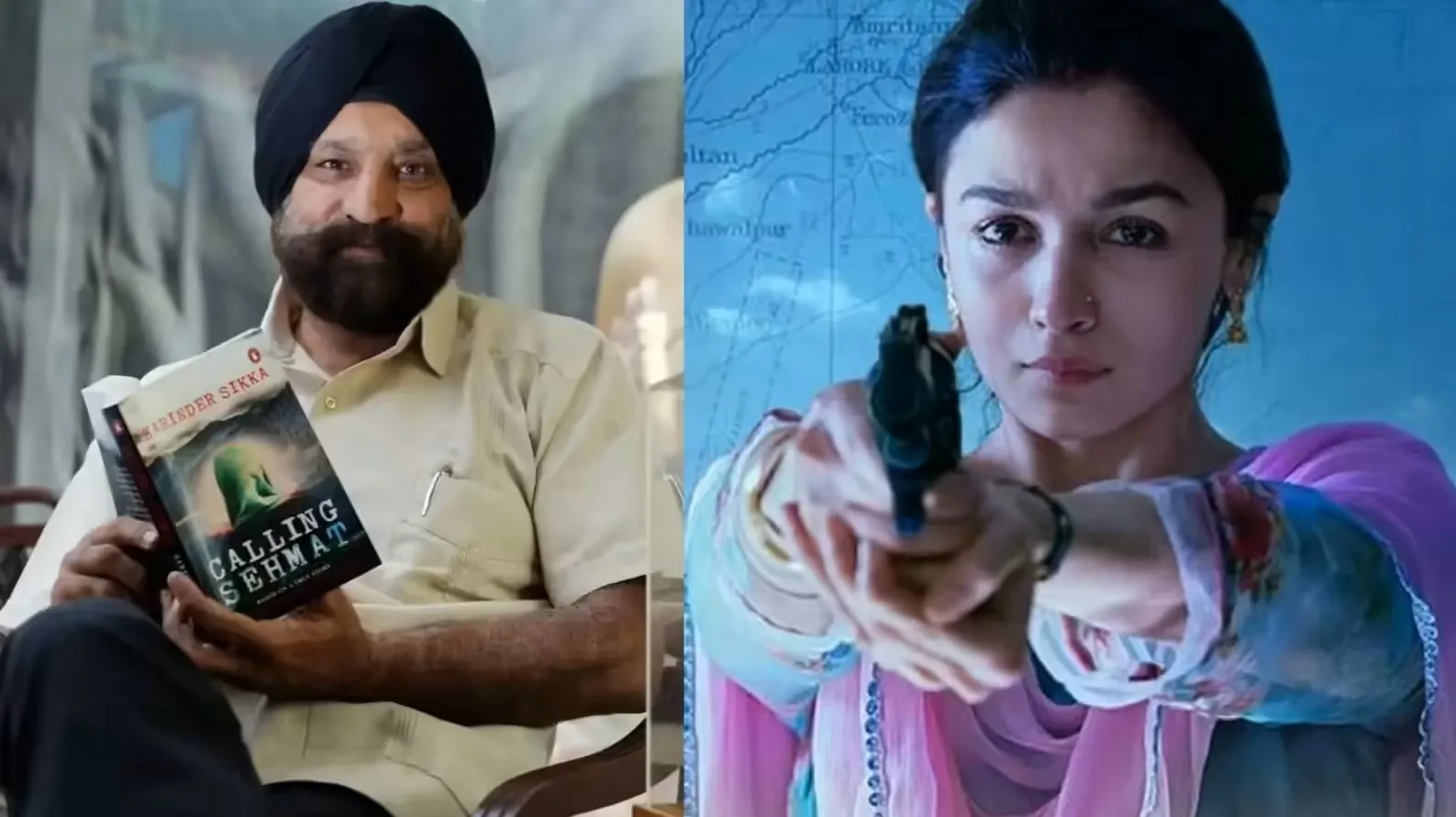

Sikka publicly expressed regret over choosing Gulzar as the director, calling it his “gravest misjudgment” and alleging that the film diluted the original spirit of his book “Calling Sehmat”.
‘Ideological Bias Diluted the Story’
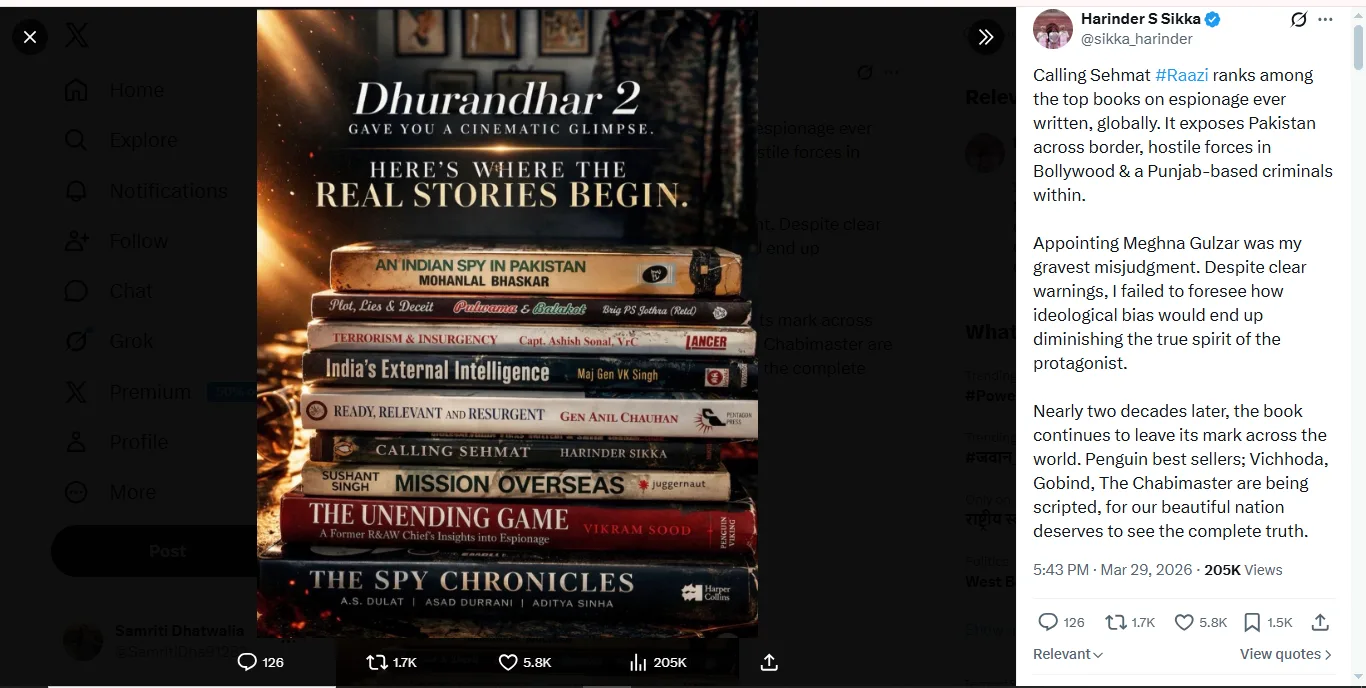

In a series of posts on social media, Sikka claimed that the film adaptation failed to capture the true essence of his espionage narrative. He argued that ideological bias weakened the portrayal of the protagonist and altered the message of the story.
Criticism Extends Beyond Raazi
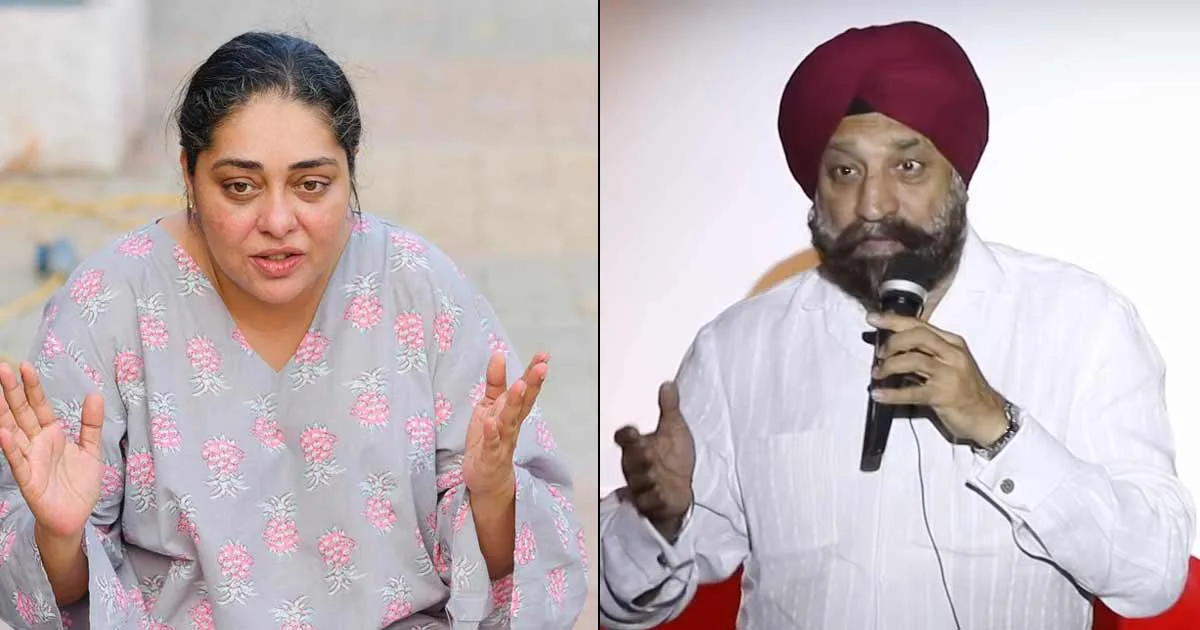

Sikka did not limit his criticism to Raazi. He also accused Meghna Gulzar of presenting historical events through a “twisted lens” in her later work, including Sam Bahadur, alleging that important aspects of Field Marshal Sam Manekshaw’s life were omitted. The filmmaker has not publicly responded to these latest remarks so far.
Raazi Remains a Critical and Commercial Success


The renewed discussion comes as espionage films like Dhurandhar bring patriotism and storytelling back into mainstream cinematic conversations.