
 Snehashish roy
Intermittent fasting has become one of the most popular diet trends globally, with millions following eating patterns like the 16:8 method for weight loss, improved metabolism and better health. However, health experts are now warning that the eating style may not be suitable for everyone, especially people with certain medical conditions or nutritional risks.
According to gastroenterologist Dr Saurabh Sethi, intermittent fasting can offer benefits when done correctly, but it may also cause complications for some individuals if followed without medical guidance.
Intermittent fasting refers to eating patterns where individuals alternate between periods of eating and fasting. Common methods include the 16:8 schedule, where food is consumed within an eight-hour window and avoided for the remaining 16 hours, as well as alternate-day fasting and one-meal-a-day routines.
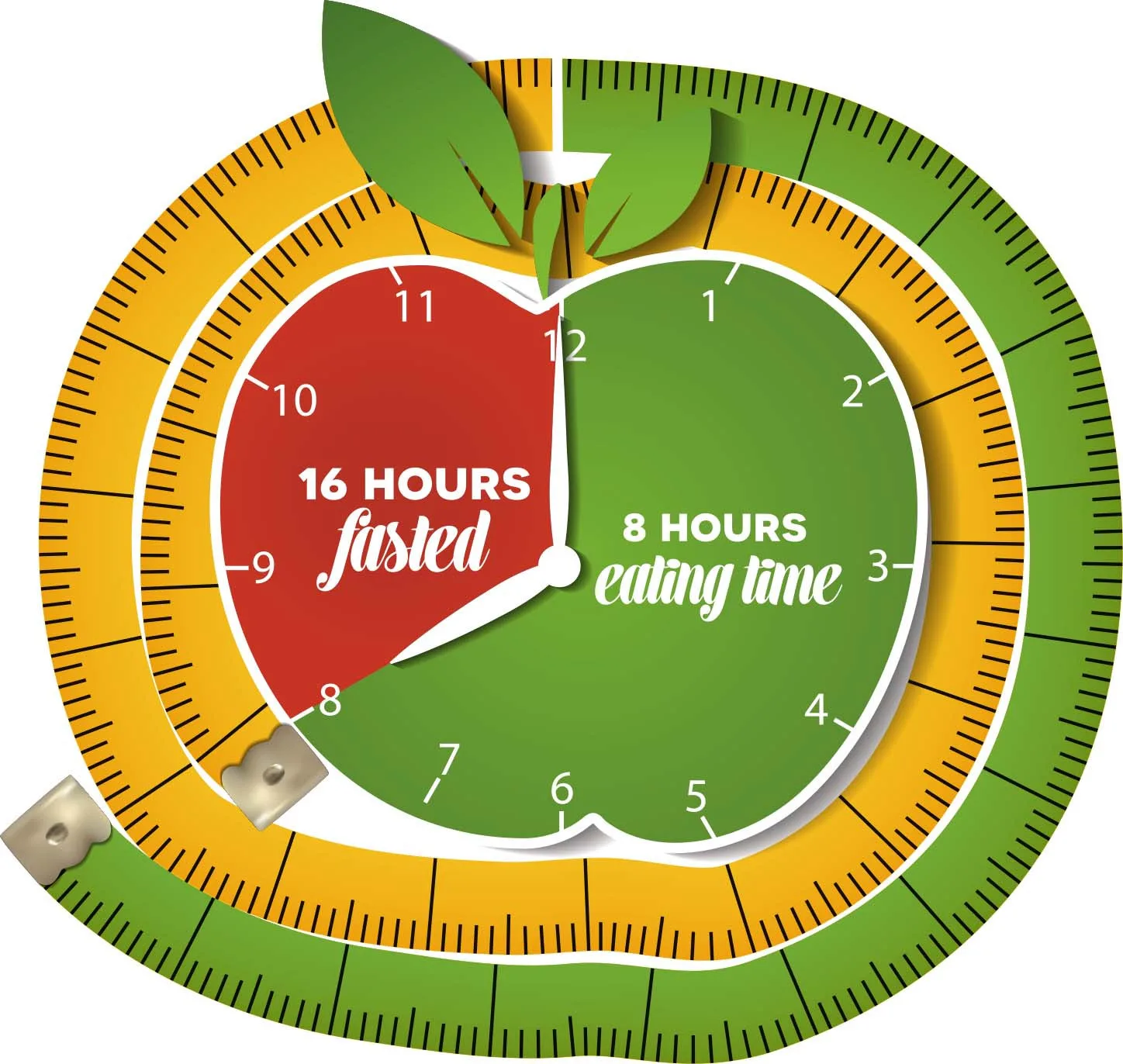
Dr Sethi explained that while fasting may help some people improve insulin sensitivity, digestion and calorie control, certain groups should approach the trend carefully because long fasting periods can stress the body.
According to the doctor, individuals with diabetes need to be particularly cautious. Extended fasting periods may increase the risk of low blood sugar levels, especially for people taking insulin or diabetes medications. Sudden drops in blood glucose can lead to dizziness, weakness, confusion and, in severe cases, fainting.
Dr Sethi also advised people with a history of eating disorders to avoid unsupervised intermittent fasting routines. Restrictive eating patterns can sometimes trigger unhealthy relationships with food or worsen conditions such as binge eating and anorexia.

Pregnant and breastfeeding women were also listed among those who should be careful. During pregnancy and lactation, the body requires regular nutritional intake to support both the mother and baby. Skipping meals for prolonged periods may affect energy levels and nutrient availability.
The doctor further warned that people with gastrointestinal issues such as acid reflux, ulcers or gastritis may experience worsening symptoms while fasting. Long gaps between meals can increase stomach acid production, which may trigger discomfort, bloating or acidity in sensitive individuals.
According to experts, intermittent fasting may additionally affect hormone balance in some women. Very low calorie intake or prolonged fasting can influence menstrual cycles and energy regulation, particularly in women already under physical or emotional stress.

Dr Sethi stressed that fasting should not become an excuse for poor nutrition. He explained that many people incorrectly assume intermittent fasting automatically leads to better health even if they continue consuming highly processed foods during eating windows.
Nutrition experts often emphasise that food quality remains more important than simply reducing eating hours. Balanced meals with adequate protein, fibre, healthy fats and hydration are considered essential while following fasting routines.
The doctor also noted that individuals with very active lifestyles or physically demanding jobs may struggle with fasting because of reduced energy availability. Athletes or people involved in intense workouts may experience fatigue, weakness or muscle loss if calorie intake becomes insufficient.
Over the past few years, intermittent fasting has gained massive popularity through fitness influencers, celebrities and wellness trends online. Public figures including actor Jennifer Aniston and entrepreneur Elon Musk have previously spoken about using fasting methods for weight management and energy control.
However, doctors increasingly warn that social media often oversimplifies fasting without discussing possible risks or individual health differences.
Some research suggests intermittent fasting may help certain people reduce weight, improve blood sugar control and lower inflammation. Studies have also explored its possible effects on longevity and metabolic health.
At the same time, experts say the benefits can vary significantly depending on age, medical history, activity levels and overall diet quality.
Dr Sethi advised people interested in intermittent fasting to begin gradually rather than adopting extreme routines immediately. He recommended focusing on consistent sleep, hydration and balanced meals instead of treating fasting as a quick-fix weight-loss solution.
The doctor also encouraged individuals with existing health conditions to consult medical professionals before starting fasting schedules. This becomes especially important for people on medication or those with chronic illnesses.
Health professionals additionally caution that warning signs such as dizziness, constant fatigue, headaches, irritability or hair loss should not be ignored while fasting. These symptoms may indicate nutritional deficiencies or that the body is not adapting well to prolonged food restriction.
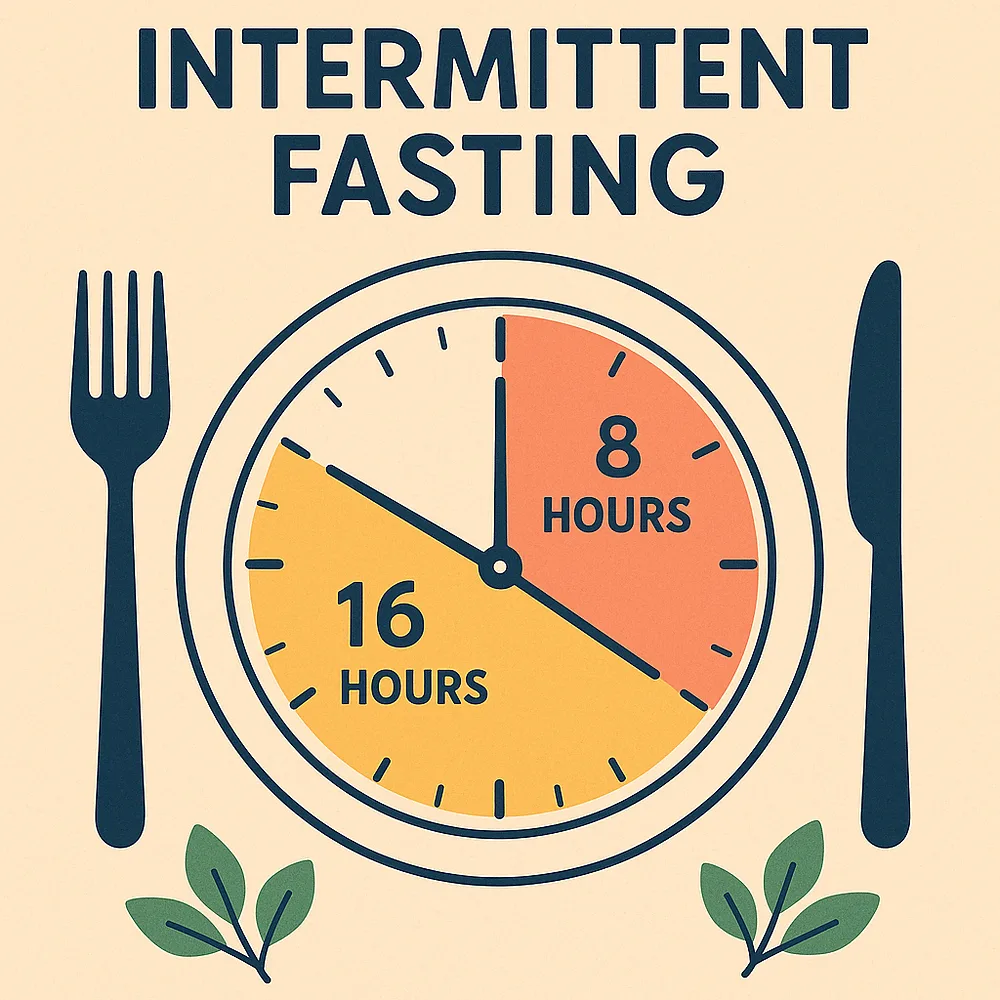
The discussion around intermittent fasting comes amid rising interest in wellness trends and weight-loss methods globally. Search interest around fasting diets has increased sharply over the last decade, particularly among younger adults seeking sustainable alternatives to traditional calorie-counting diets.
However, experts continue emphasising that no single eating pattern works universally for everyone.
According to doctors, intermittent fasting can be beneficial for some individuals when practised safely and combined with balanced nutrition. But for others, especially those with underlying health conditions, the trend may create more problems than benefits if followed without proper guidance.