
 Snehashish roy
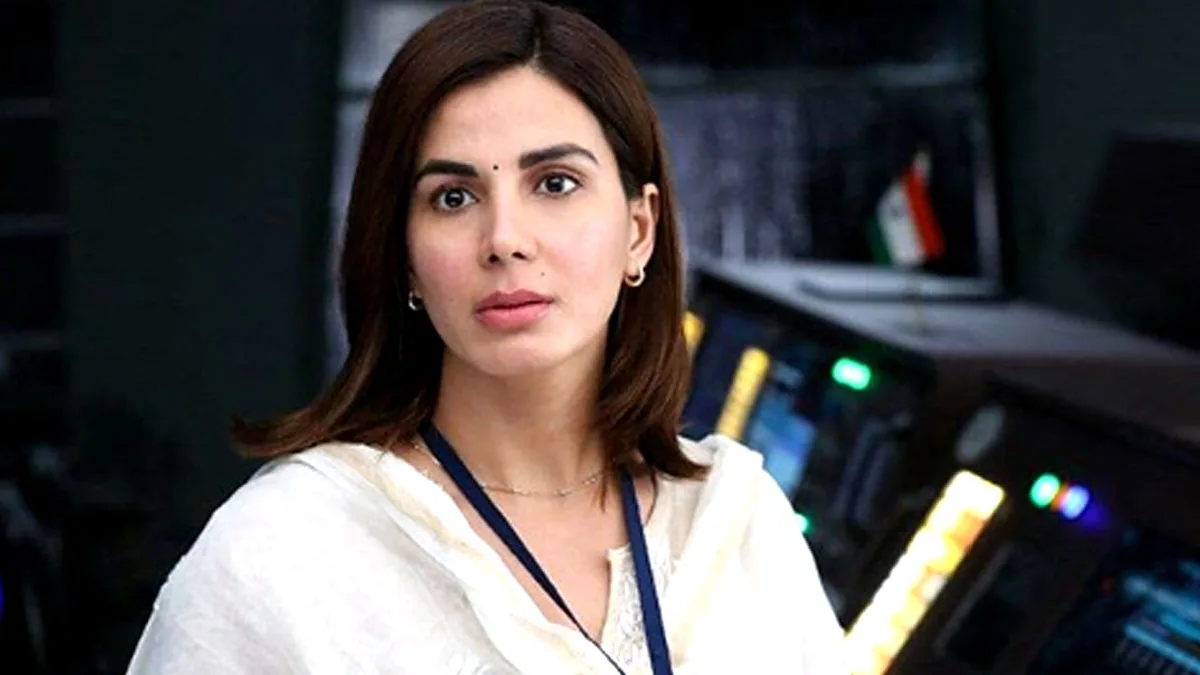
Actor Kirti Kulhari has sparked a major online conversation after sharing her views on the salaries paid to domestic workers in urban households. Her comments, made during a recent podcast appearance, quickly went viral and triggered widespread debate across social media about fair wages, household labour and class privilege in India.
The discussion began after Kirti Kulhari spoke about the amount many domestic workers earn for relatively limited working hours across multiple homes. During the conversation, the actor questioned whether people often underestimate how much some household helpers can earn when working across different apartments or societies.
According to Kirti, a domestic worker earning around ₹10,000 from one household while working for a short duration each day could potentially make significantly more by taking up similar work in multiple homes. Her comments quickly circulated online, with users debating whether the statement reflected reality or ignored the physical and social challenges faced by domestic workers.


As clips from the interview spread across Instagram and X, reactions became sharply divided. Some users agreed that domestic workers in major metropolitan cities can earn decent monthly incomes by combining jobs across several households. Others argued that such calculations oversimplify the reality of physically demanding labour, long commuting hours and lack of job security.
The debate gained even more attention after television host and actor Mini Mathur reacted publicly to the discussion. Sharing her views on Instagram Stories, Mini suggested that conversations about domestic labour should consider the larger realities of workers’ lives beyond simple salary calculations.
Mini reportedly pointed out that domestic workers often spend hours travelling between homes, manage physically exhausting workloads and frequently lack benefits such as paid leave, health insurance or retirement security.

Her response quickly resonated with many users online and expanded the discussion beyond celebrity opinions into broader questions about labour value and economic inequality.
Several social media users argued that household work remains one of the most undervalued forms of labour in India despite being essential for millions of families. Others highlighted how domestic workers often begin their day before sunrise and juggle responsibilities across multiple employers while also managing their own households.
At the same time, a section of users supported Kirti Kulhari’s observations, saying conversations around domestic help salaries should include realistic discussions about income structures rather than relying solely on assumptions. Some argued that domestic workers in affluent urban neighbourhoods can sometimes earn incomes comparable to entry-level office employees when working across multiple homes.
The debate soon spread beyond entertainment pages and entered wider social discussions involving economics, labour rights and urban living costs.
Many users also pointed out that domestic workers generally do not receive employment protections available in formal sectors. Unlike salaried professionals, household workers often face income instability if employers relocate, reduce work or terminate services without notice.
Others highlighted the lack of standardised wages in the sector. Domestic worker salaries often vary significantly depending on city, locality, job responsibilities and the economic status of employing households.
Kirti Kulhari herself later clarified aspects of her comments after the online reaction intensified. According to reports, the actor said her intention was not to undermine domestic workers but to question broader assumptions people make while discussing income and labour value.
The actor also stressed that she respects all forms of work and believes discussions around salaries should remain balanced and fact-based.
Kirti Kulhari is known for frequently speaking candidly about social issues, gender dynamics and workplace realities. Over the years, the actor has built a reputation for sharing strong opinions on industry practices and societal expectations.
She gained widespread recognition through projects such as Pink, Mission Mangal, Four More Shots Please! and Criminal Justice. Her performances have often been praised for portraying independent and complex female characters.

Mini Mathur, meanwhile, is also known for speaking openly about social issues and cultural conversations online. The television host has frequently used her social media platforms to discuss parenting, gender equality, mental health and public policy matters.
Meanwhile, social media remains divided between those who believe Kirti Kulhari raised a valid economic point and those who feel the statement overlooked the hidden costs and hardships associated with domestic work.