
 Snehashish roy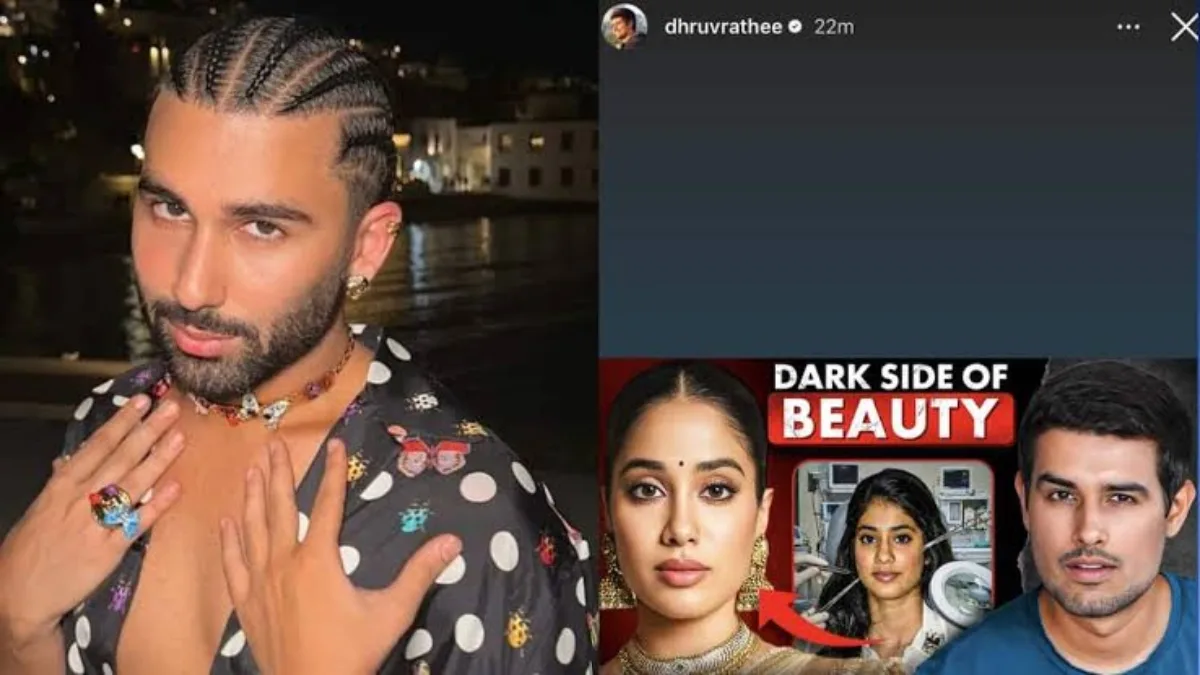
Actor and social-media personality Orry has hit back at content creator Dhruv Rathee after the latter criticised Bollywood actor Janhvi Kapoor’s appearance in the film Dhurandhar. In a social-media video response, Orry defended Janhvi and condemned what he called a pattern of unfair commentary that crosses the line from critique of work to personal remarks about appearance.
The dispute began when Dhruv Rathee, known for his analytical and often strongly worded videos on social issues and entertainment, shared his thoughts on Dhurandhar shortly after the film’s release. In his commentary, Dhruv praised many aspects of the movie, especially the performances of Dhurandhar’s male leads, but he also took aim at how Janhvi’s character was styled and presented on screen. He suggested that her “inauthentic” look did not fit the narrative and questioned the reasoning behind certain costume and makeup choices.
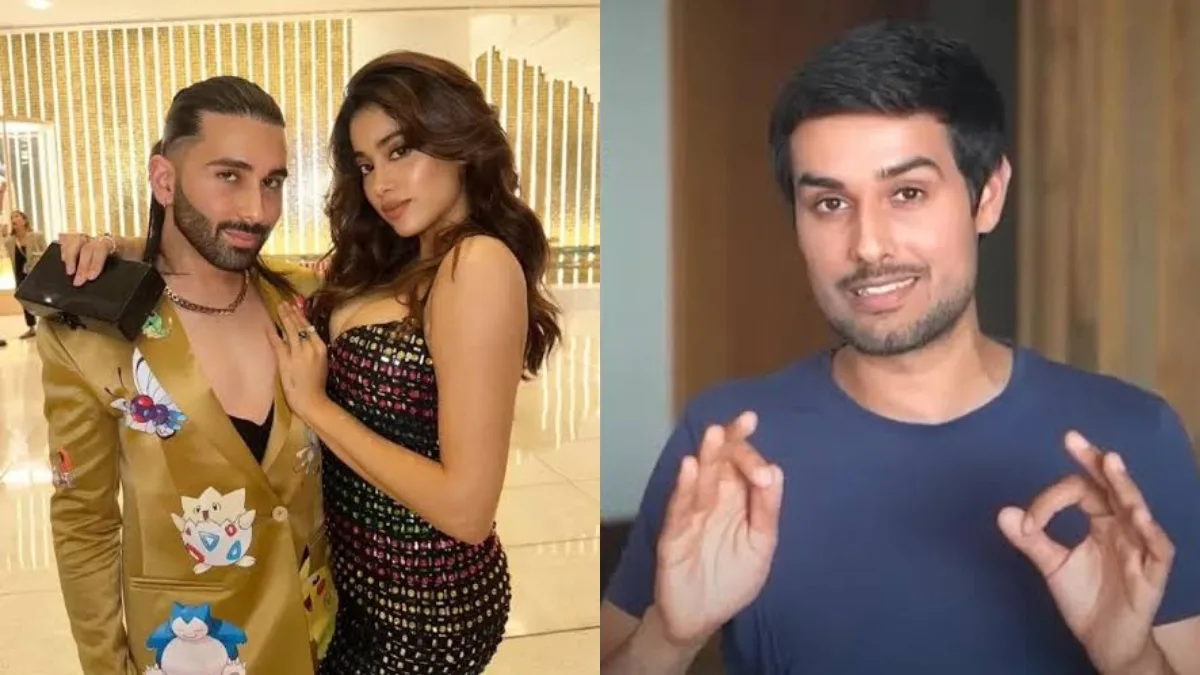
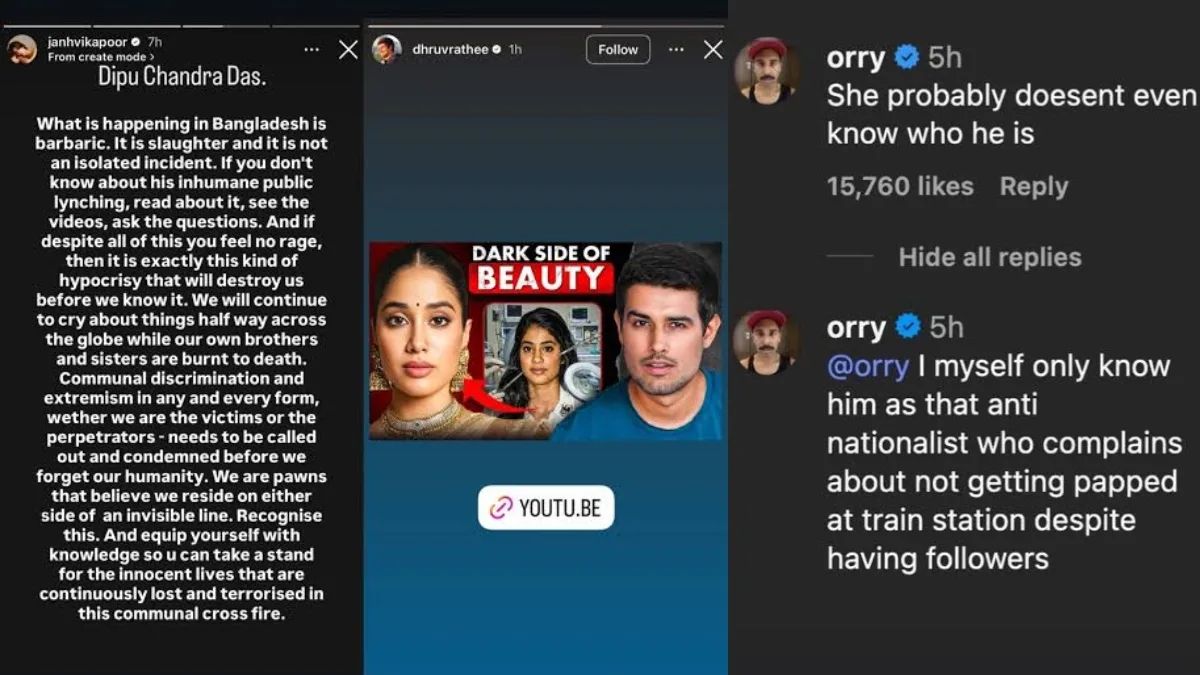
Rathee’s critique quickly drew both support and backlash online. Some agreed that every element of a high-profile film should be examined critically, including casting and styling. Others felt that the commentary veered into unnecessary judgement of Janhvi’s physical appearance rather than sticking to cinematic or narrative considerations. Enter Orry, who chose to respond directly to Rathee’s remarks in a video posted on his social platforms.
In his response, Orry said that while criticism of films and performances is a normal part of public discourse, targeting an actor’s appearance crosses a line that is both unfair and unconstructive. He emphasised that actors of all scales face intense scrutiny about their looks, and that this trend can contribute to harmful conversations rather than useful ones about craft or artistic choices. Orry argued that focusing on Janhvi’s “look” in Dhurandhar detracted from the broader performance and the narrative context in which her character exists.
Orry’s defence was rooted in the belief that art should be discussed with nuance. He noted that film characters often have unique visual choices made by costume designers, makeup artists and directors with specific creative intentions, and that these should be understood within context rather than dismissed outright. He asserted that personal appearance critiques, especially about a woman’s body or face, feed into a culture of superficial commentary that unfairly pressures performers.
Social-media responses to Orry’s video were immediate and mixed. Many fans praised him for speaking up, saying that public figures, particularly women in the entertainment industry, are too often judged for their appearance instead of their work. Supporters of Janhvi highlighted her dedication to her roles and noted that creative choices in films are collaborative, not solely the actor’s responsibility.
Others, however, felt Orry’s response was overly defensive. They argued that open discussion, including stylistic critique, is part of how audiences engage with films and that no actor should be immune from thoughtful analysis. Some commenters pointed out that critics have long examined everything from acting to wardrobe in reviews, and that Rathee’s remarks were meant to spark conversation rather than insult.
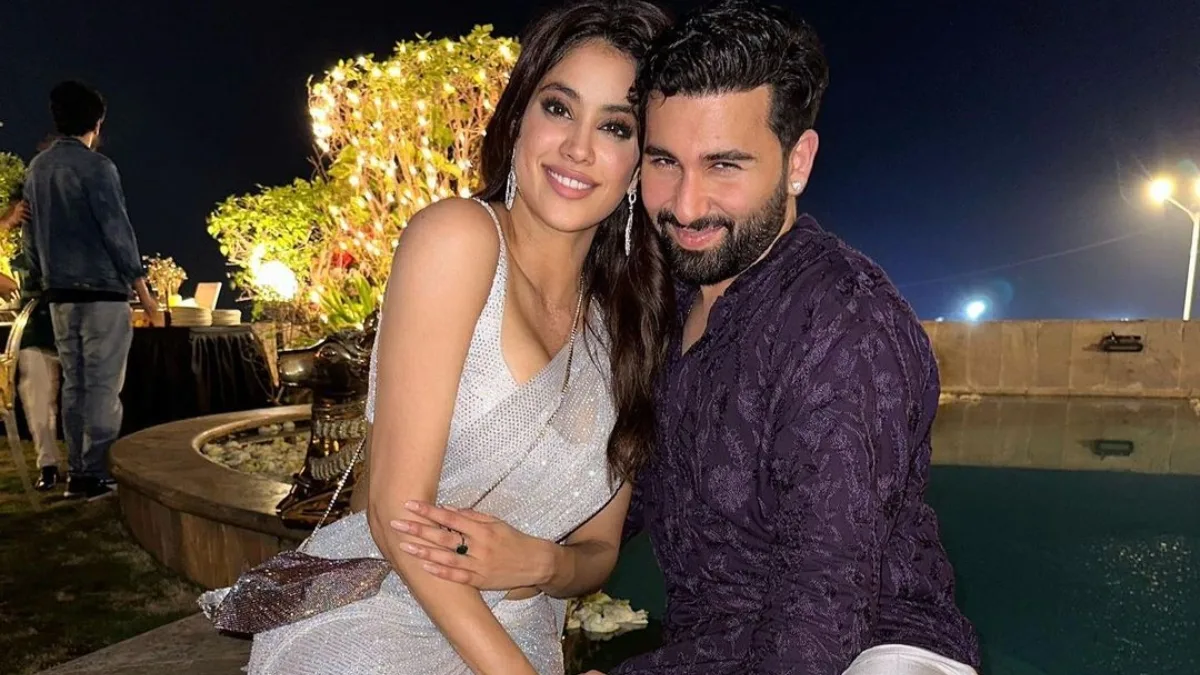
The exchange reflects broader debates within entertainment culture about the line between critique and personal commentary. In an era of heightened sensitivity to representation, audiences increasingly question when criticism serves artistic analysis and when it slips into personal territory. Discussions about Janhvi’s appearance in Dhurandhar became not only about one performance but also part of a wider conversation about how performers, especially women, navigate public perception.
For her part, Janhvi has not publicly responded to either Rathee’s critique or Orry’s defence. Dhurandhar continues its theatrical run, drawing attention for both its box-office performance and the ongoing public dialogue it has inspired. The incident underscores how social media amplifies opinions and how quickly discussions about cinema can evolve into broader cultural debates about respect, criticism and the boundaries of public commentary.