
 Snehashish roy
As temperatures soar in summer and humidity levels rise during the monsoon, doctors are reporting a noticeable increase in cases of food poisoning and gastrointestinal infections. Health experts say the combination of heat, moisture and poor food storage creates ideal conditions for harmful bacteria to multiply rapidly, turning even seemingly harmless meals into potential health hazards.
According to medical experts, food poisoning cases tend to rise sharply during these seasons because bacteria thrive in warm and humid environments. Organisms such as E. coli, Salmonella and Staphylococcus can multiply quickly when food is left at room temperature for extended periods. As a result, foods that may appear fresh and safe can become contaminated within a matter of hours.
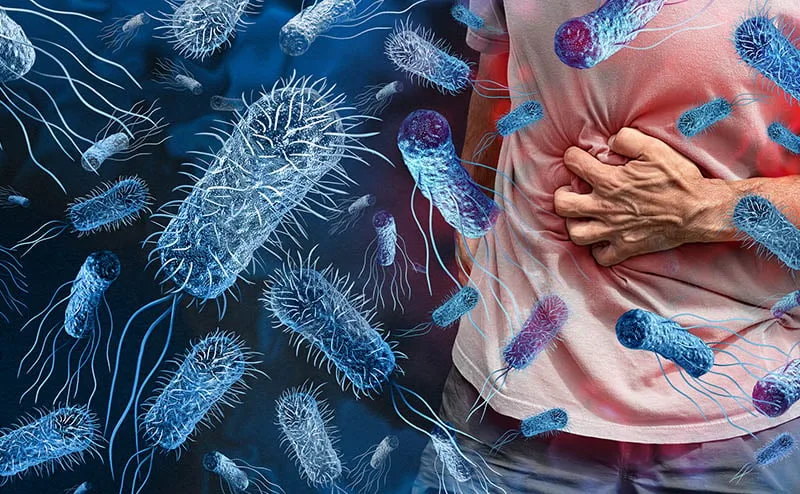
Doctors explain that summer heat accelerates food spoilage, while monsoon humidity further increases the risk of bacterial growth. Together, these conditions make perishable foods particularly vulnerable to contamination. Dairy products, cooked rice, meat dishes, seafood, cut fruits and street food are among the items most commonly linked to seasonal food poisoning cases.
One of the biggest misconceptions people have is assuming that food is safe if it looks and smells normal. Medical experts warn that harmful bacteria often do not alter the appearance, taste or smell of food, making contamination difficult to detect without proper storage and handling practices.
Contaminated water is another major concern during summer and monsoon months. Doctors note that unsafe drinking water, improperly filtered water and contaminated ice cubes can introduce harmful pathogens into the body. This risk increases while travelling or eating at places where the water source is uncertain.

Food poisoning symptoms typically appear within hours or days after consuming contaminated food or water. Common signs include diarrhoea, vomiting, nausea, stomach cramps, abdominal pain and fever. While many cases resolve on their own, severe infections can lead to dehydration and may require medical treatment. Children, elderly individuals and people with weakened immune systems are particularly vulnerable to complications.
Doctors say prevention remains the most effective strategy. One of the simplest precautions is consuming freshly prepared food whenever possible. Experts advise against eating meals that have been left unrefrigerated for long periods, especially during hot weather. Leftovers should be stored promptly and reheated thoroughly before consumption. Repeated reheating should also be avoided.
Proper refrigeration plays a critical role in food safety. Perishable items should ideally be stored below 5°C to slow bacterial growth. Foods such as milk, yoghurt, cooked meat and seafood should never be left outside for prolonged periods.
Another important precaution involves fruits and vegetables. Doctors recommend washing produce thoroughly before consumption to remove dirt, bacteria and potential contaminants. During the monsoon, extra care should be taken with leafy vegetables, which can harbour microbes if not cleaned properly.

Experts also advise caution when eating street food during rainy weather. Wet conditions, high humidity and difficulties maintaining hygiene can increase contamination risks. Food exposed to flies, dirty water or poor sanitation practices is more likely to cause illness.
When travelling, doctors recommend choosing freshly cooked hot meals over food that has been sitting out for long periods. They also suggest avoiding pre-cut fruits sold in the open and opting only for bottled, boiled or properly purified drinking water.
Good hand hygiene remains one of the most effective defences against foodborne illnesses. Washing hands with soap before eating and after using the restroom can significantly reduce the risk of infection. Carrying hand sanitiser while travelling can provide additional protection.
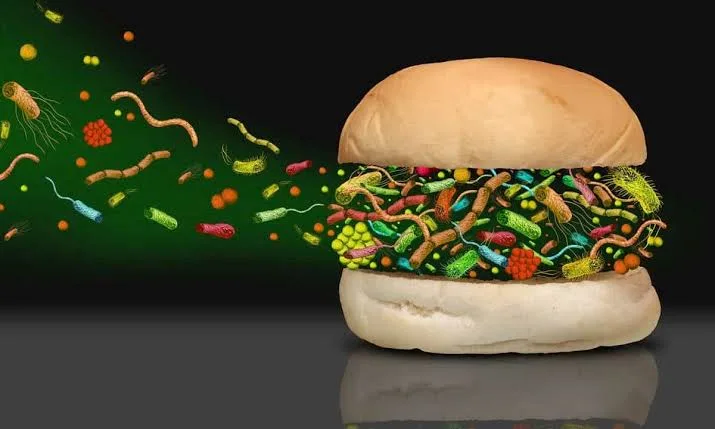
Health experts stress that while food poisoning is often viewed as a temporary inconvenience, severe cases can result in significant dehydration, weakness and hospitalisation. This is particularly true during summer when fluid loss from vomiting and diarrhoea can quickly become dangerous.
As summer transitions into the monsoon season, doctors urge people to remain vigilant about food safety. Simple habits such as eating freshly prepared meals, storing food correctly, drinking clean water and maintaining personal hygiene can dramatically reduce the risk of illness.
With rising temperatures and increasing humidity creating favourable conditions for bacterial growth, experts say prevention is far easier than treatment. Following basic food safety practices can help individuals and families avoid unnecessary health complications and enjoy the season without the discomfort of foodborne infections.