
 Snehashish roy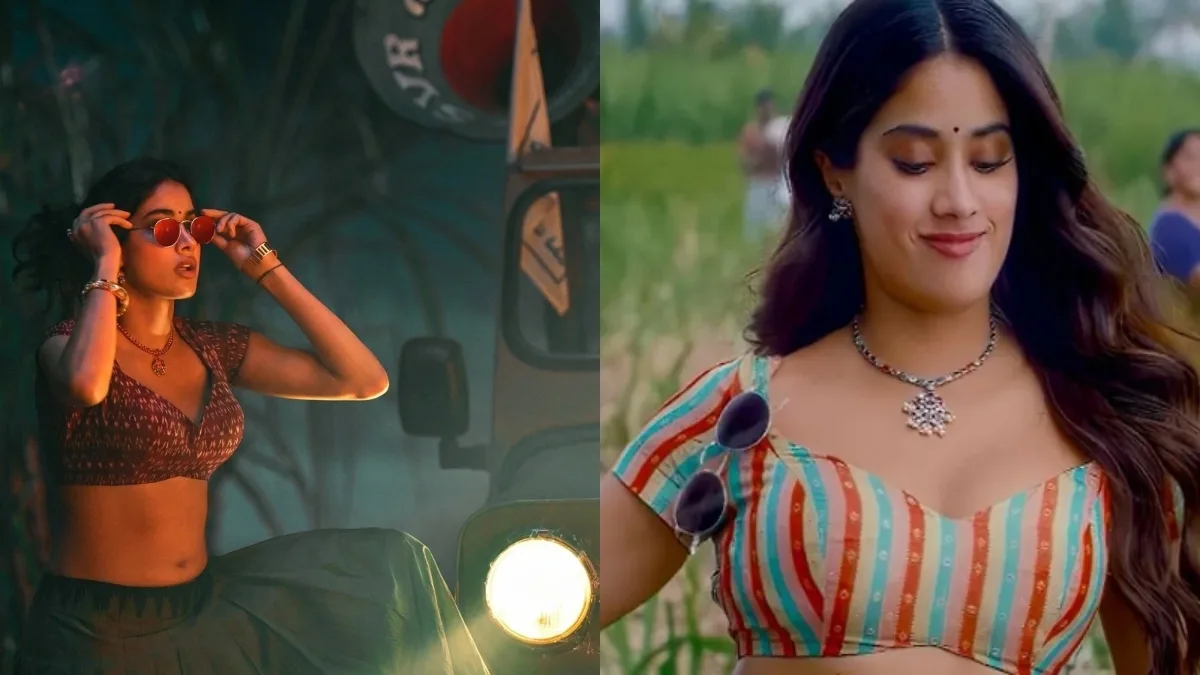
The backlash against Ram Charan and Janhvi Kapoor’s Peddi has triggered one of the most intense debates Indian cinema has witnessed in recent years. What initially began as criticism of a few scenes featuring Janhvi Kapoor’s character, Achiyamma, has rapidly evolved into a much larger conversation about how women continue to be portrayed on screen and whether the industry has truly moved beyond the era of objectification.
The controversy erupted after audiences and critics raised concerns about several sequences in Peddi, particularly the way Janhvi’s character was introduced and filmed. Critics argued that the camera lingered on different parts of her body before revealing her face, reducing the character to a visual object rather than establishing her as an individual with agency. Social media users described the framing as an example of the “male gaze”, a concept in film theory that refers to presenting women primarily from a heterosexual male perspective for visual pleasure.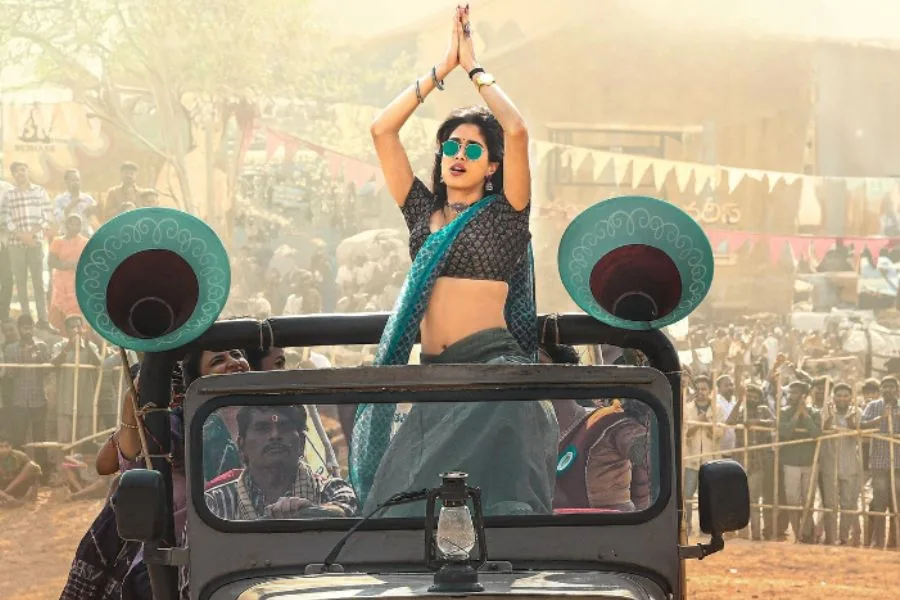
As criticism intensified, director Buchi Babu Sana publicly acknowledged the concerns. He apologised for scenes that audiences found disrespectful and announced that certain portions would be modified or removed. The filmmaker stated that every woman deserves to be portrayed with dignity and that the intention was never to make viewers uncomfortable.
Yet the discussion did not end with the apology. In fact, many observers argue that the debate has become bigger than Peddi itself. What audiences are questioning is not merely one character or one film, but a storytelling tradition that continues to appear across Indian cinema despite repeated criticism.
The term “male gaze” was popularised by British film theorist Laura Mulvey in 1975. The idea suggests that films often position women as objects to be looked at, while men remain the active drivers of the story. Women become spectacles; men become protagonists. Decades later, many critics believe that this formula still survives in different forms across commercial cinema.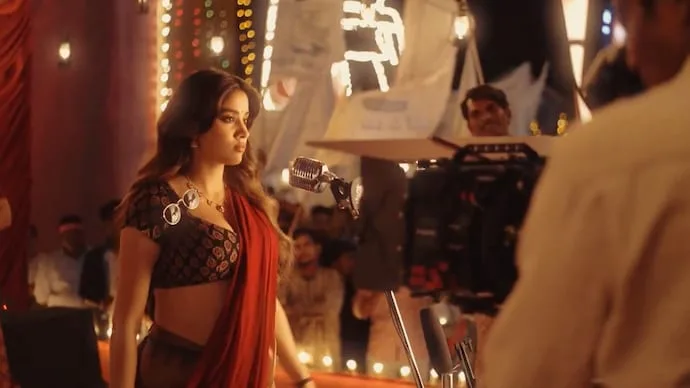
The Peddi controversy has also revived scrutiny of several blockbuster films that have been celebrated for scale, action and star power while facing criticism for how female characters are written. The debate is no longer confined to one industry or one language. Whether in Hindi, Telugu, Tamil or Kannada cinema, audiences are increasingly questioning why heroines in major productions are often reduced to romantic interests, glamour additions or emotional motivators for male protagonists.
Interestingly, the backlash has prompted reactions from across the industry. Actor-politician Kangana Ranaut argued that objectification is a broader social issue that extends beyond cinema, while also encouraging actresses to voice concerns when they feel uncomfortable.
Meanwhile, Nithya Menen condemned objectification but cautioned against blaming an entire film industry for the actions of individual filmmakers. She noted that similar issues exist in cinemas across the world and urged performers to assert their boundaries.
Veteran actor Jaya Bachchan also weighed in, recalling how she had personally resisted attempts to sexualise her image during her career. Her comments resonated with many viewers who saw them as evidence that resistance within the industry has existed for decades.
The debate has even brought older voices back into focus. Remarks previously made by Ratna Pathak Shah and resurfaced comments from Prithviraj Sukumaran have been widely shared online, reflecting growing public interest in conversations about representation and gender politics in cinema.
At the same time, many industry observers point out that Indian cinema has made undeniable progress. Female-led films are more common than before, women occupy increasingly influential positions behind the camera, and audiences are showing greater appreciation for stories centred on female experiences. Yet critics argue that progress and regression continue to coexist. As actor Sonali Kulkarni recently noted, the industry is currently navigating a phase where meaningful advances exist alongside persistent challenges.
That may ultimately explain why Peddi has generated such a strong reaction. The outrage is not simply about one character or one controversial scene. It reflects a growing impatience among audiences who believe cinema should have evolved further by now. The debate signals changing expectations from viewers who increasingly demand that women be treated as characters rather than visual accessories.
In that sense, the most important question raised by Peddi is not whether one film got it wrong. The bigger question is whether Indian cinema is finally ready to leave behind storytelling habits that many audiences no longer accept. Judging by the intensity of the conversation, that question is unlikely to disappear anytime soon.