
 Gunjan Chaudhary
Whenever the term dusky beauty is mentioned in Bollywood, the first name that instantly comes to mind is Bipasha Basu, the dark-complexioned girl who terrified audiences as Sanjana in Raaz. Known for her powerful performances, bold fashion choices, and fearless opinions, Bipasha celebrates her birthday on January 7. Despite enjoying a long and successful career in the film industry, Bipasha Basu has often spoken openly about the taunts and discrimination she faced because of her dark complexion.
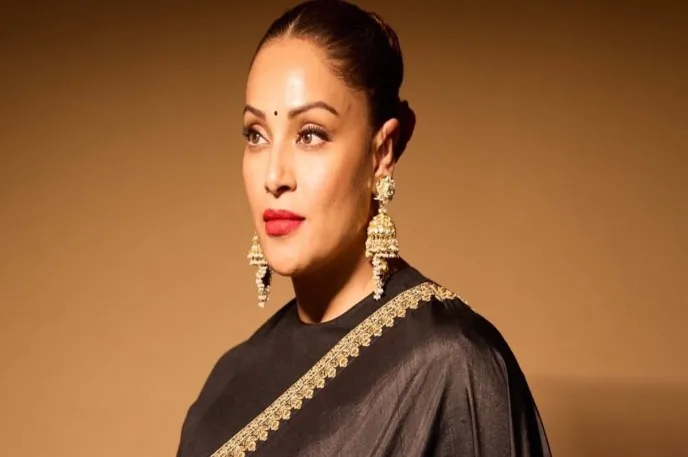
Bipasha Basu
Bipasha Basu On Facing Discrimination
While the industry and society labeled her a dusky beauty, there was a time when this tag came with painful remarks. Bipasha was born in New Delhi into a Bengali family and later moved to Kolkata. From a young age, she was compared to her fairer sister and often heard comments about her skin tone from relatives and others. These experiences, however, never broke her spirit.

Bipasha Basu
At just 16 years old, Bipasha won a supermodel contest, marking her entry into the modeling world. By 17, she was already a professional model. While working in global fashion capitals like New York and Paris, she realized something transformative that her dark skin was considered exotic abroad and was celebrated rather than criticized. However, upon returning to India, the same old biases resurfaced.

Bipasha Basu
Newspaper headlines read, “Kolkata’s dark-skinned girl becomes the winner,” a fact that shocked Bipasha. She once revealed that her skin color was often discussed before her talent or beauty, even after she entered Bollywood. Bipasha has always believed that beauty is about personality, confidence, and individuality, not skin color. In an era dominated by fair-skinned heroines, she carved out a unique space for herself and refused to let colorism define her worth.

Bipasha Basu
She has proudly stated that she loves her complexion and would never want to change it. Over the years, she turned down several lucrative endorsement deals from fairness and skincare brands, firmly standing by her belief that promoting fair skin as the only standard of beauty is harmful. According to Bipasha, since the majority of Indians are dark-skinned, brands should help change this outdated mindset instead of reinforcing it.