
 Snehashish roy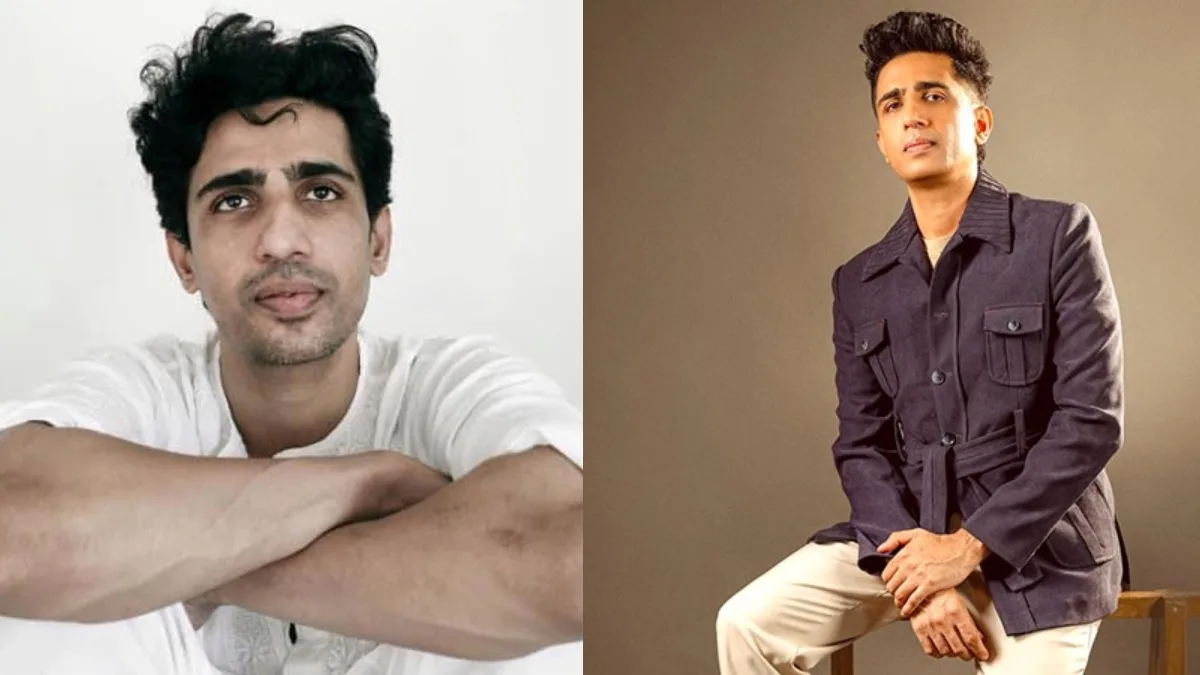
Actor Gulshan Devaiah has voiced a strong opinion on a trend he believes has taken over Bollywood casting and characterisation in recent years: the rise of ultra-macho, rugged, bearded leading men. In a candid interview, he called out this pattern, pointing to films like Dhurandhar, Animal and other mainstream hits that prominently feature heavily-built, bearded male protagonists as a prevailing stereotype. According to him, this notion of masculine intensity has become overly dominant, to the detriment of more varied portrayals of men on screen.
Devaiah explained that while there is nothing inherently wrong with strong, intense male characters, the industry’s fixation on them has narrowed the range of roles available and the kinds of stories being told. He noted that films showcasing raw, muscle-defined masculinity seem to be the norm right now, and that this expectation often influences casting decisions and promotional strategies.
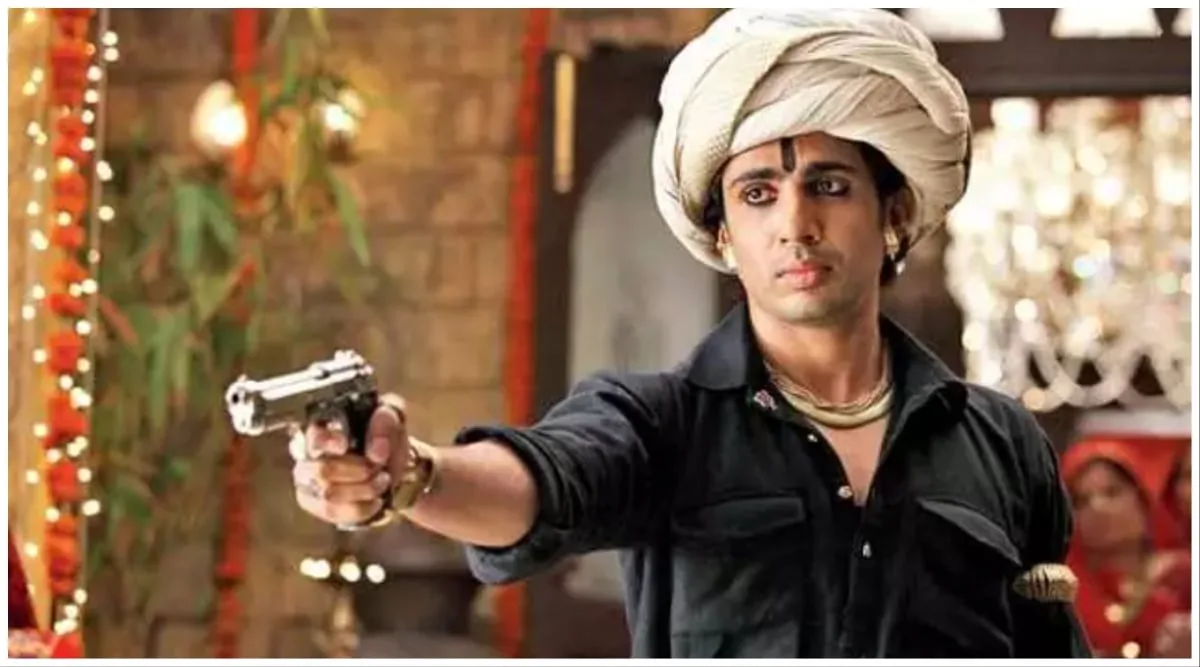
“I think there is a certain look that has become fashionable,” Gulshan said. “Heavy beard, aggressive stance, physical aggression in performance, those are the tropes that are being valorised.” He added that when this becomes the template for what makes a “hero,” it can unintentionally marginalise other forms of masculine expression that do not fit this mould.
In the current era, actors such as Ranveer Singh and Ranbir Kapoor have been celebrated for their willingness to embrace intense and physically demanding roles, and their performances in films like Animal and Dhurandhar have been widely discussed by audiences and critics alike. These films often centre on characters with hardened demeanours, heavy beards and a physical presence that underscores their emotional volatility and dominance.
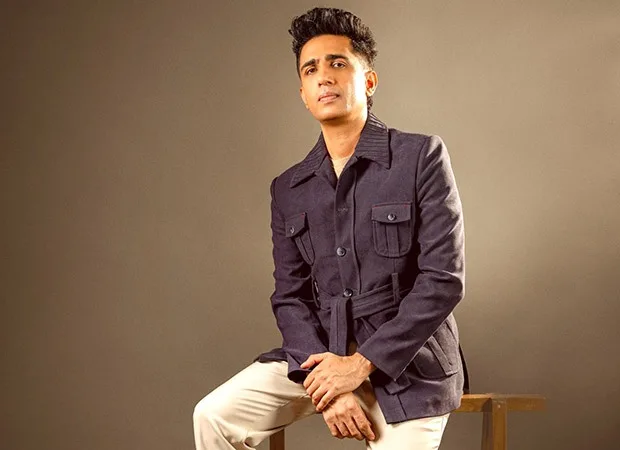
Devaiah acknowledged that such characters work well within the context of specific stories and genres, particularly in action dramas where intensity is central to the narrative. However, he argued that when this aesthetic becomes a default for leading men regardless of narrative necessity, it risks flattening the range of male representation in cinema.
“Cinema, especially Bollywood, has always been colourful and diverse in its storytelling,” he said. “Now, it feels like one kind of masculinity is highlighted above others, and that’s what filmmakers and audiences are seeing repeatedly.” His comments suggested a desire to broaden the conversation about what makes a compelling hero, advocating for roles that celebrate emotional nuance and vulnerability alongside strength.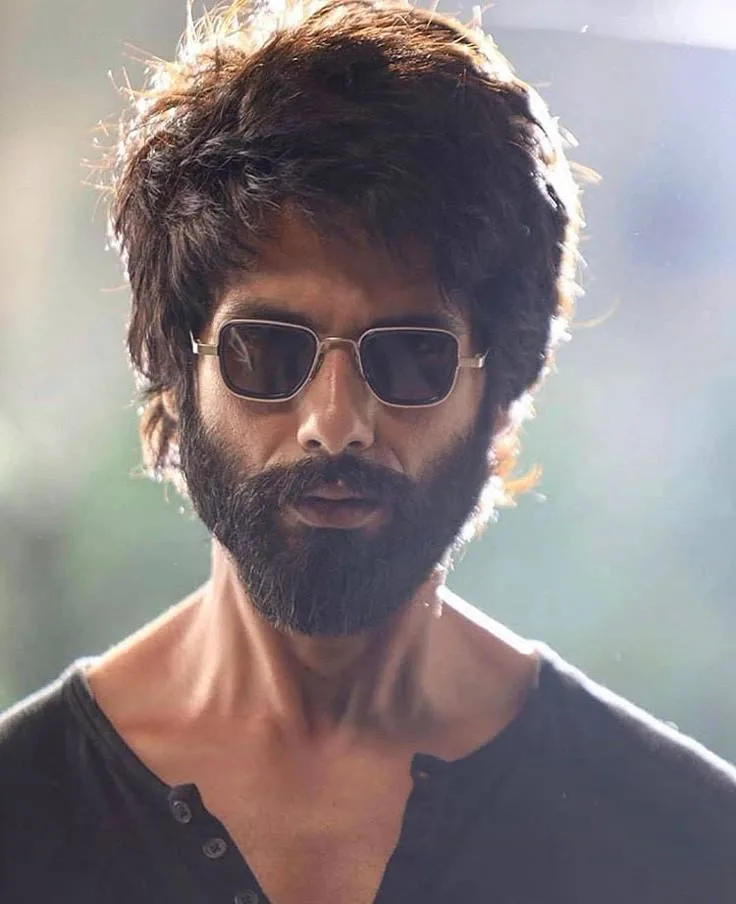
Devaiah’s critique also touched on how certain trends in cinema emerge not solely from creative intent but from commercial strategy. When films featuring dominant, macho protagonists perform well at the box office, he said, others are more likely to follow the pattern, hoping to replicate that success. This commercial incentive, he believes, can reinforce homogeneity in casting and reinforce a stereotype that is not reflective of the full spectrum of human behaviour.
Several voices within the film community have echoed similar sentiments, expressing a wish to see more diverse male leads who do not have to conform to a tough-guy persona to be considered bankable or charismatic. They point out that audiences have historically embraced a range of heroes, romantic leads, witty charmer types, sensitive thinkers, and that there is room for all kinds of masculinity to coexist in modern cinema.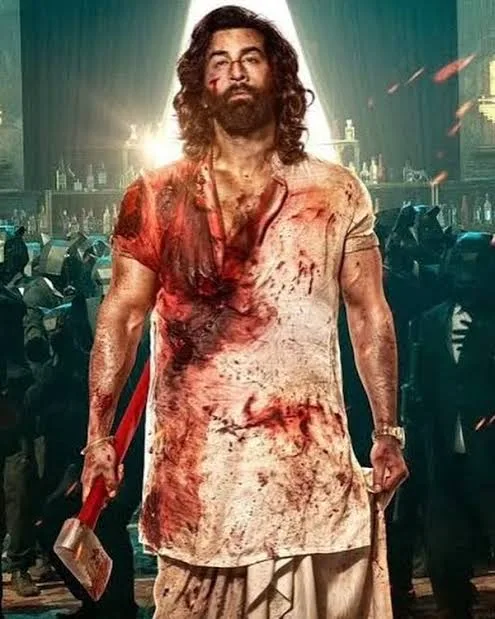
When asked whether he felt marginalized by these trends as an actor whose look and choices often differ from the ultra-macho template, Devaiah responded diplomatically. He reiterated his belief that strong performances arise from authenticity and suitability to the character, not adherence to a particular physical stereotype.
His comments have sparked discussion among fans online. Some agreed that Bollywood could benefit from more varied portrayals of men, urging storytellers to move beyond fixed notions of heroism. Others defended the trend, saying that rugged, intense roles are simply a reflection of current box-office tastes and genre popularity.
In the end, Devaiah’s remarks underline an ongoing discourse about representation in cinema. The conversation about masculinity in Bollywood, and what audiences want to see, is far from settled, but his viewpoint adds a nuanced layer to how film narratives and character archetypes continue to evolve.